
2 Weeks in Tuscany: A 14-Day Itinerary for Slow Travel, Cities and Countryside
2 Weeks in Tuscany: A 14-Day Itinerary for Slow Travel, Cities and Countryside is designed as a realistic route rather than a list of places that merely fit on a map.
Two weeks changes the character of a Tuscany trip. You no longer need to choose between the great cities and the countryside, and you can stay long enough in each base to experience mornings and evenings instead of arriving at noon and leaving after breakfast. The best fourteen-day route is not a ten-day itinerary with four extra towns. It should deliberately include slower days, weather buffers and places where the attraction is simply being there.
Itinerary at a glance
Use five bases over fourteen days: Florence for three nights, Chianti/Siena for three, Val d’Orcia for three, Maremma for two, and Lucca/Pisa for three. Pick up a car only when leaving Florence and return it when the rural section ends. This keeps the expensive, stressful city-driving days out of the trip.
Travel times in Tuscany are shaped by hills, traffic, parking and the final walk into historic centres. A route that looks short in kilometres can still fill a morning once you include coffee, a scenic stop and ten minutes finding the right car park. The schedules below deliberately leave margin for those real moments.
Day-by-day Tuscany itinerary
Days 1–3: Florence with time to breathe
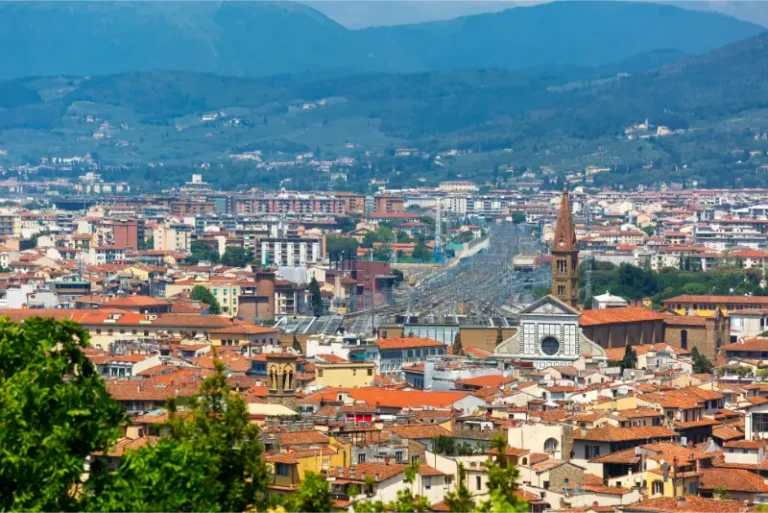
Use the first day to orient yourself, the second for the Uffizi or Accademia plus the central monuments, and the third for Oltrarno, Palazzo Pitti/Boboli, Santa Croce or Fiesole. Three nights means you can separate art from atmosphere. You can also change plans if rain makes a garden day unattractive or a museum slot becomes available later than expected.
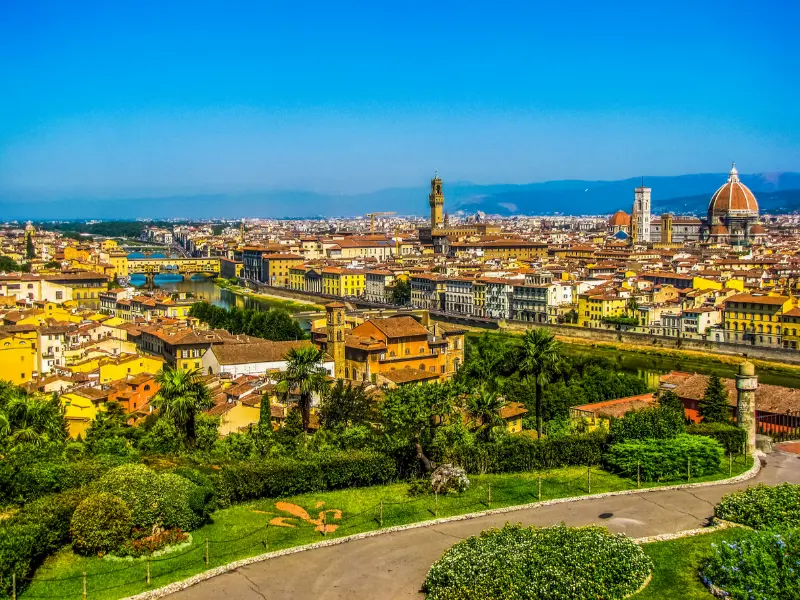
Stay near the centre or Santa Maria Novella if rail access matters. A property such as Hotel Santa Maria Novella at Piazza Santa Maria Novella 1 makes arrival straightforward and keeps almost all central sights walkable.
Day 4: Enter Chianti slowly
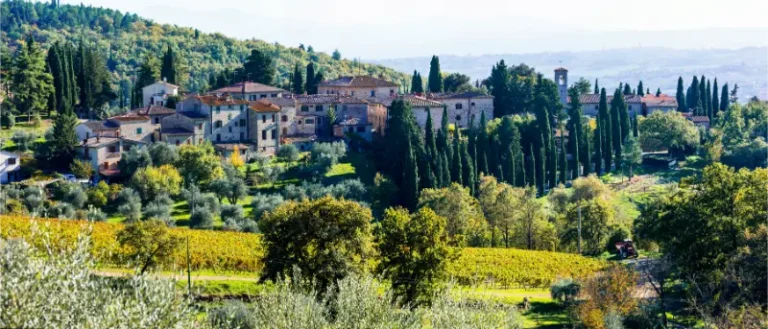
Collect the car and leave Florence via the Chianti side rather than jumping immediately onto a fast road. Greve and Montefioralle make a good first pair, with Panzano later in the day. If you book a winery, make it the only timed event. Sleep in Chianti so the landscape is not reduced to a day trip.
The SR222 is one of the classic reference roads through the area. It links villages through rolling agricultural country, and the temptation to stop at every viewpoint is real. Use only safe pull-offs and never block narrow farm roads.
Day 5: Radda, Castellina and a long lunch
Choose two villages, not four. Radda’s compact centre and views work well in the morning, then Castellina can take the afternoon. A long lunch or tasting should be the main event. The point of sleeping in Chianti is that you do not need to race back to Florence before dinner.
If you want a memorable countryside stay, Borgo San Felice near Castelnuovo Berardenga is a verified historic resort in Chianti Classico. It is not a budget recommendation; it is an example of accommodation that functions as part of the destination.
Day 6: Siena
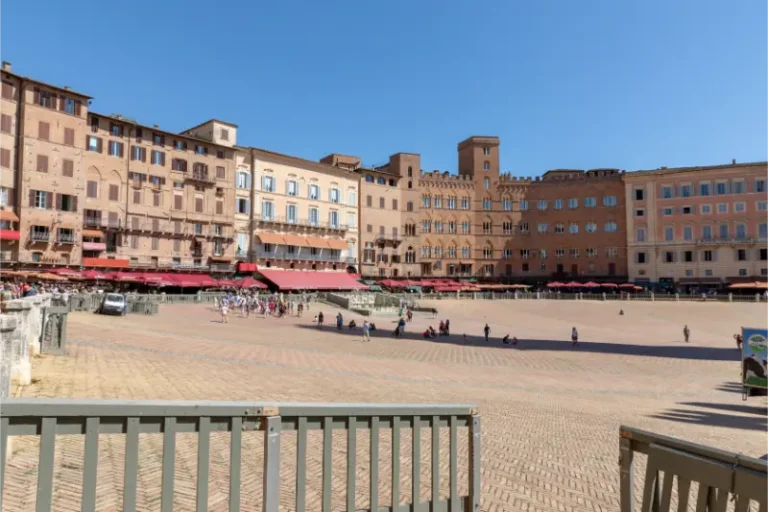
Move to Siena and give the city a full day and night. Piazza del Campo and the Duomo are essential, but spend time in contrada streets and return to the Campo after dinner. With two weeks, there is no reason to visit Siena only as a parking stop between wine villages.

Hotel Athena, Via P. Mascagni 55, is one practical option for drivers because the hotel states that it sits inside the historic walls but outside the LTZ restriction and has parking arrangements. Always confirm conditions for your dates.
Day 7: San Gimignano or Volterra, then south
Choose San Gimignano if you want a visually immediate medieval skyline; choose Volterra if you prefer Etruscan history, museums and a town that feels less dependent on one image. Do not do both unless you enjoy long driving days. After the visit, head south toward Val d’Orcia.
Arrive in Pienza or San Quirico d’Orcia before sunset. This is a good place to stay three nights because the nearby villages are close enough to explore without packing each morning.
Day 8: Pienza, Monticchiello and landscape roads
Start in Pienza, then walk or drive into the surrounding countryside rather than immediately heading to another major town. Monticchiello is a small medieval counterpoint to Pienza’s Renaissance planning. Use the later afternoon for San Quirico or a farm visit.
La Bandita Townhouse at Corso Il Rossellino 111 is a verified boutique hotel in central Pienza; staying in town means you can enjoy the square early and late when day visitors are gone.
Day 9: Montalcino, Sant’Antimo and Bagno Vignoni
Montalcino deserves half a day if you want its fortress, wine culture and views. Continue to the Abbey of Sant’Antimo if open and relevant to your interests, then end at Bagno Vignoni. The thermal-water square is atmospheric in the evening even if you do not book a spa treatment.
If you plan a wine tasting, designate a driver or arrange transport. Two weeks gives you no reason to stack multiple alcohol-focused appointments on one driving day.
Day 10: Montepulciano and the eastern edge
Drive to Montepulciano, climb the historic spine to Piazza Grande and take your time with the views. Remember that Montepulciano is in Valdichiana Senese rather than the UNESCO Val d’Orcia core, although it fits naturally into the route. Use the afternoon as a buffer: pool, spa, countryside walk or a second village only if you genuinely want it.
This unscheduled half-day is one of the luxuries of a two-week trip. Protect it.
Day 11: Maremma and the tufa towns
Move southwest into Maremma. Pitigliano, Sorano and Sovana form a strong cluster, but two towns plus a Vie Cave walk are enough. The landscape changes from open agricultural hills to tufa cliffs, woods and deeper valleys. Stay near Pitigliano or Saturnia.
If thermal bathing appeals, the Saturnia area works naturally here. Terme di Saturnia is a long-established resort and spa destination, while the free Cascate del Mulino are a separate outdoor site; do not confuse the two when planning.
Day 12: Maremma coast or nature
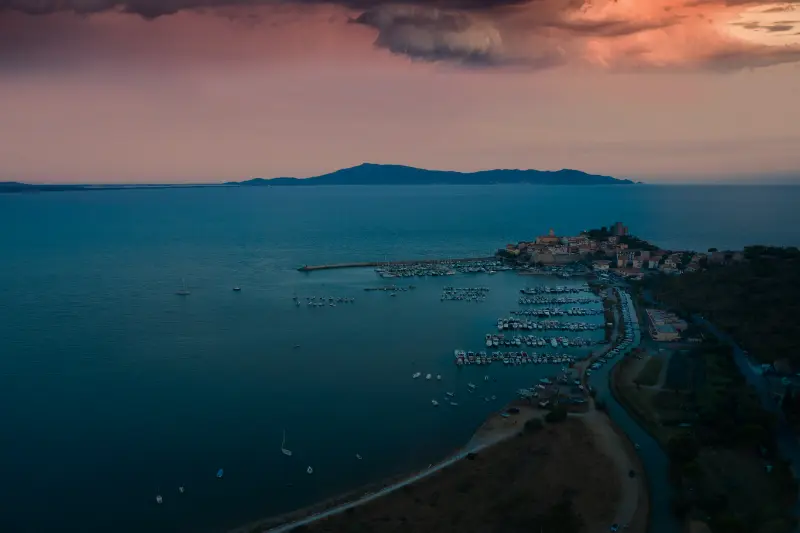
Choose between the coast and inland nature. The Maremma Regional Park, Castiglione della Pescaia or a quieter beach day gives your trip a completely different texture from Florence and Val d’Orcia. In summer, reserve beach logistics and start early; outside summer, a coastal walk and long lunch can be enough.
This is intentionally a low-museum day. After eleven days of art and villages, sea air and open space are not wasted time.
Day 13: Cross to Lucca
Drive north, possibly stopping on the Etruscan Coast or in Livorno depending on interest. Continue to Lucca and return the car if you no longer need it. Walk the city walls in the evening and enjoy the flatter historic centre after the steep southern towns.
Do not add Pisa on the same day unless your schedule forces it. You have tomorrow.
Day 14: Lucca and Pisa
Spend the morning in Lucca, then travel to Pisa for Piazza dei Miracoli and the riverfront. If flying from Pisa, this is an elegant final sequence. If leaving from Florence, take the train back after Pisa or reverse the final two nights so departure morning stays simple.
The two-week route ends in cities with excellent transport because the final day should not depend on a long rural drive.
Where to stay
Five bases over fourteen days is a comfortable rhythm: roughly three nights per zone. It lets you unpack, learn where breakfast is, and return to places at different hours. If you prefer even slower travel, remove Maremma or western Tuscany and stay four nights in two of the remaining bases.
When comparing accommodation, look at the route before the room photographs. Check the exact driving or walking time to the next morning’s first stop, whether parking is truly on site or simply “nearby”, and whether you can walk to dinner. In rural Tuscany, a beautiful property can be inconvenient if every meal requires a night drive on unfamiliar lanes. In cities, the opposite can happen: a plain-looking hotel beside a station may save hours across the trip.
Useful booking tools for this trip
Tours & experiences: For guided visits, attraction tickets and bookable experiences in Tuscany, See tours & tickets
Car rental: If this trip works better with your own wheels, Compare car rental prices before choosing the pickup point.
Flights: For arrival planning, Search flights to Tuscany
Trains & buses: Compare trains & buses when building the transport part of the trip.
Getting around
This itinerary is easiest with a hybrid model: no car in Florence, car from Chianti through Maremma, then optional return in Lucca/Pisa. If you plan to rent for ten days anyway, compare parking-inclusive accommodation and one-way fees. Do not assume that keeping the car the entire trip is automatically cheaper once garages and city access are considered.
Before departure, recheck transport and access details on Trenitalia, Autolinee Toscane and the relevant municipal or attraction websites. Timetables, restricted-traffic rules, ferry schedules and seasonal access can change, and a ten-minute check before a travel day is more useful than relying on an old screenshot.
Parking, ZTLs and arrival strategy
Long itineraries create more opportunities for parking mistakes because you encounter many different municipalities. Treat each new town as a fresh access problem. Look for official parking signs, never rely solely on a navigation app to enter a historic centre, and save photos of where you parked. In rural areas, avoid leaving the car partly on the road for a photograph.
For every historic city or hill town, search for the official parking information before you leave the previous stop, not when you are already at the gate. Save the car park in your navigation app and screenshot the route. This tiny habit prevents the most common arrival problem: following a blue line directly into a restricted street because the hotel address sits inside the old centre.
Food and memorable places to stop
Two weeks is enough to stop chasing “must-eat” lists. Follow geography: Florentine cooking first, Chianti wine and salumi, Siena’s sweets and pici, pecorino and Brunello around Val d’Orcia, then acquacotta, wild-boar traditions and seafood as you move through Maremma and the coast. Reserve only the meals that matter; spontaneous trattoria lunches are part of the pleasure.
Restaurant hours and weekly closing days can change by season, so confirm them on the venue’s official site or by phone. A useful rule for itineraries is to reserve dinner only when the restaurant itself is part of the experience. On transfer days, flexibility is often more valuable than a reservation that forces you to leave a town just when you are enjoying it.
Best time for this itinerary
May, June, September and early October are excellent for a two-week circuit. In midsummer, consider moving the coastal section earlier and building more pool or indoor time into hot afternoons. In winter, reduce beach time and add Arezzo, Pistoia or spa stays instead. Because the trip is long, weather variety is inevitable; flexibility is a feature, not a problem.
Local events can change hotel prices, parking availability and opening patterns even outside the main tourist season. Siena around the Palio, Florence during major fairs, coastal towns in August and wine areas during harvest all need more advance planning than an ordinary weekday. Check the calendar before fixing non-refundable accommodation.
How to adapt the route
A two-week trip should reflect your interests. Art lovers can add Arezzo and a fourth Florence night. Hikers can shift two days toward Garfagnana or Casentino. Families may prefer more Lucca, coast and agriturismo time with fewer winery visits. Couples can slow the Val d’Orcia section and book one special countryside hotel. The framework is robust precisely because one region can be removed without collapsing the route.
Do not be afraid to remove a stop after booking. A good Tuscany itinerary has priorities and optional places. If weather, fatigue or a long lunch changes the day, skip the optional town instead of shortening every remaining visit. The region is unusually rewarding at the edges of the schedule: early streets, late squares, an unexpected viewpoint and an evening walk often become stronger memories than the attraction that was originally highlighted in bold.
What to book before you go
Book the things that can genuinely sell out or create long waits: major Florence museum slots, special restaurants, popular winery tours, high-season ferries with a vehicle, and distinctive countryside accommodation. Leave ordinary lunches, minor churches and most village walks flexible. This gives the itinerary structure without making it brittle.
Where to stay for this trip: Where to Stay in Tuscany: The Best Areas for Every Kind of Trip. Check prices & availability
Final thoughts
Fourteen days allows Tuscany to become more than its famous views. You can recognise the difference between a Florence evening and a Siena evening, between Chianti and Val d’Orcia, and between inland Maremma and the coast. The trip feels complete not because you see everything, but because you finally have time not to.