YOUR INDEPENDENT GUIDE TO TUSCANY
Tuscany is not a place to rush.
Explore Renaissance cities, hilltop villages, countryside roads, islands and the flavours that make Tuscany unforgettable — with practical guides designed to help you build a better trip.
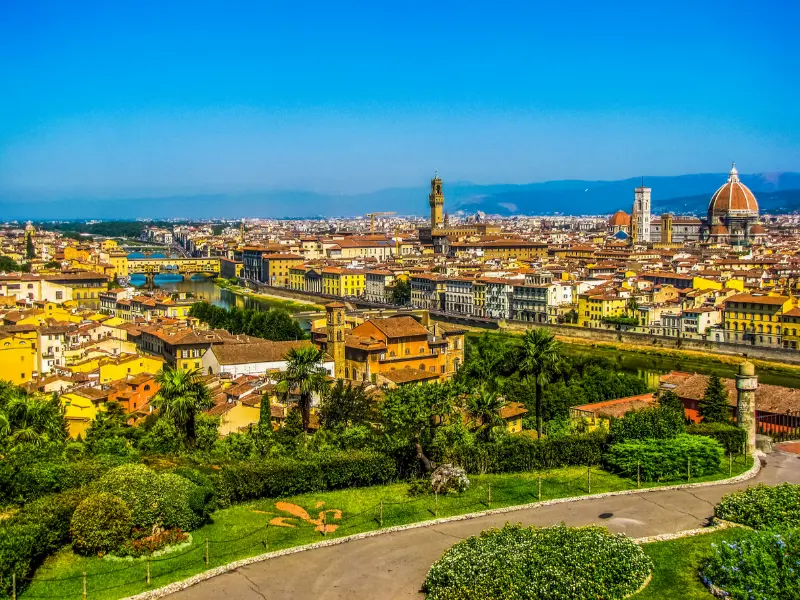 Florence · The Renaissance heart of Tuscany
START EXPLORING
One region, many different journeys.
Move from inspiration to a practical plan without losing the pleasure of discovery. Pick the part of Tuscany you want to explore first.
Destinations
Florence and Siena, Pisa and Lucca, famous art cities, medieval villages and lesser-known towns worth a detour.

Things to Do
Art, thermal baths, beaches, nature, food, wine and memorable experiences across the region.

Where to Stay
Choose the right base for a city break, vineyard stay, countryside escape, coast trip or road journey.

Itineraries
Build a realistic route for 3, 5, 7 or more days, with time for both icons and slower discoveries.
TRAVEL DIFFERENTLY
See the Tuscany between the landmarks.
Beyond Florence and the postcard views, Tuscany is made of local markets, quiet roads, medieval villages, family beaches, mountain valleys, vineyard landscapes and long lunches.
WHY TUSCANY
Art cities, country roads, hot springs and a coastline — in one trip.
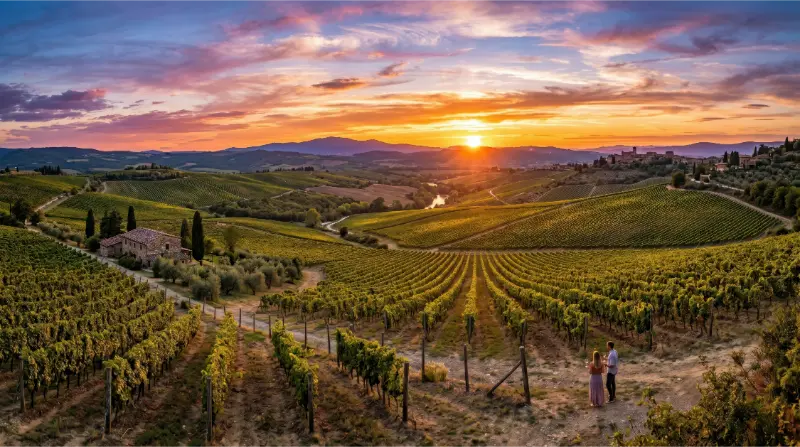
Tuscany is rewarding because it never asks you to choose just one kind of holiday. A morning can begin inside a Renaissance museum, continue over lunch in a medieval hill town and end on a quiet country road between vineyards. Elsewhere in the region, thermal springs, island beaches, mountain valleys and local food traditions create completely different journeys.
For a first visit, the challenge is not finding enough to do but deciding what to leave out. The best trips combine a few major landmarks with slower days in the countryside, smaller towns or the coast. That balance is what turns Tuscany from a checklist into a place you actually experience.
A useful first-trip rhythm is to choose one major city as an anchor, spend one or two days exploring a landscape such as Chianti or Val d’Orcia, and keep at least one day flexible for a smaller town, a food experience or an unplanned stop. Tuscany rewards space in the itinerary far more than rushed mileage.
WHERE TO GO
Choose the Tuscany that fits your trip.
Different parts of the region suit very different holidays. Use these three starting points, then go deeper into the city, countryside or coast that interests you most.
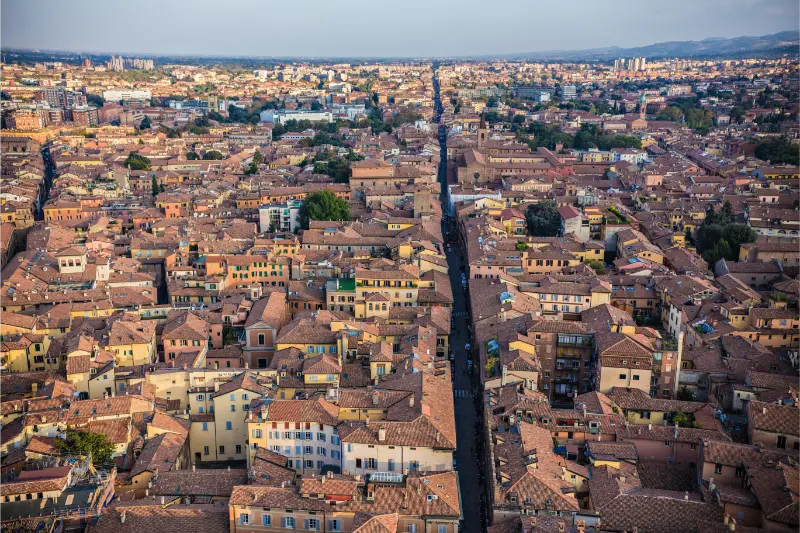
Art cities & classic Tuscany
Start with Florence and Siena, then add Pisa, Lucca or a hill town for a culture-rich first trip.
Wine country & hill towns
Chianti and Val d’Orcia are made for scenic drives, vineyards, slow lunches and villages above the valleys.
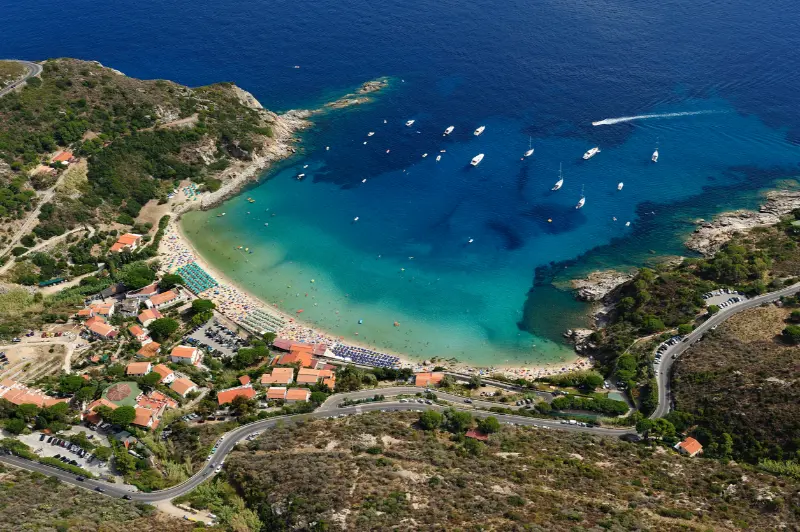
Coast, islands & Maremma
For beaches and open landscapes, look west and south to Elba, the Etruscan Coast, Argentario and Maremma.
CHOOSE AN EXPERIENCE
What kind of Tuscany are you looking for?

PLAN THE PRACTICAL SIDE
Getting around Tuscany changes the trip.
Florence, Pisa and Lucca work well by train. Hill towns, wineries and countryside stays are often easier with a car. Before you book, it is worth understanding airports, rail connections, ZTL zones and where parking becomes part of the itinerary.
As a rule, avoid collecting a rental car while you are still based in central Florence unless you actually need it that day. Train-first and car-later is often the easier combination: use rail for the main cities, then switch to a car when the itinerary moves into wine country, farmhouse stays or smaller villages.
BUILD THE RIGHT PACE
How many days do you need in Tuscany?
Three days can give you a memorable first taste. A week creates room for countryside and smaller towns. Ten days or two weeks let you slow down and add the coast or Elba without turning every day into a transfer.
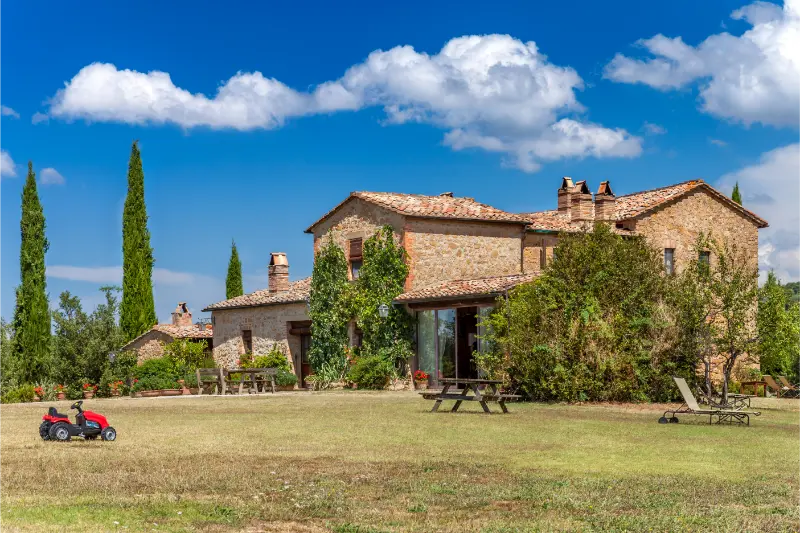
5 daysA balanced city-and-countryside itinerary with Val d’Orcia.
7 daysThe sweet spot for a classic first trip at a realistic pace.
10 daysMore hill towns, slower travel and room to reach the coast.
2 weeksGo deeper: cities, countryside, small towns and beach time.
Road tripA driving route through cities, wine country and hill towns.
WHEN TO GO
Every season changes Tuscany.
There is no single perfect month. Choose spring for green landscapes, summer for long days and beaches, autumn for harvest season, or winter for quieter cities, spas and mountain escapes.

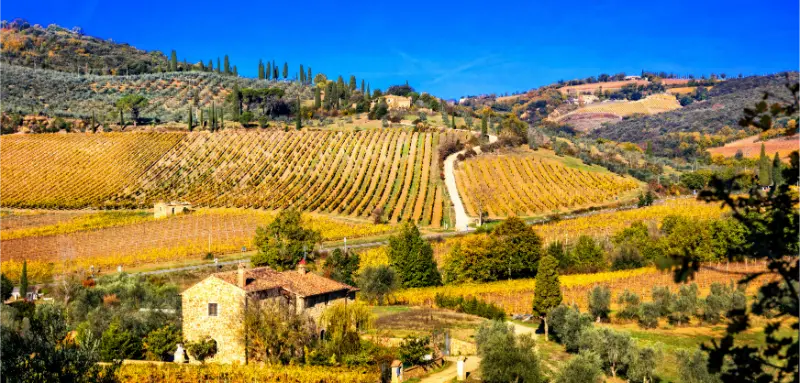

BEYOND THE CLASSICS
Leave room for the Tuscany most visitors miss.
After Florence, Siena and Pisa, there is another Tuscany of volcanic tuff towns, forested valleys, castle villages, mountain roads and archaeological coastlines. These places reward travellers who can spare an extra day. Garfagnana and Lunigiana feel more mountainous and local; Casentino mixes castles with sacred forests; Monte Amiata brings volcanic landscapes and thermal villages; Maremma combines tuff towns, wild coastline and long distances that make a car especially useful.
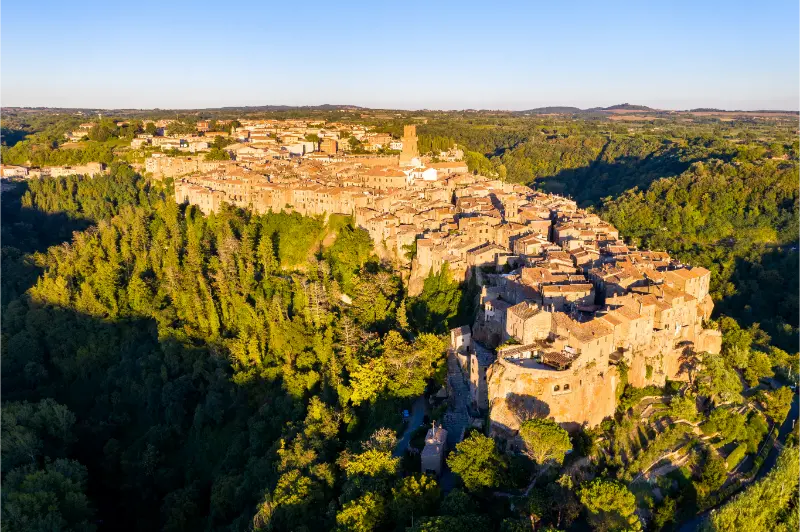

TUSCANY IN PICTURES
The places that make you want to book the trip.
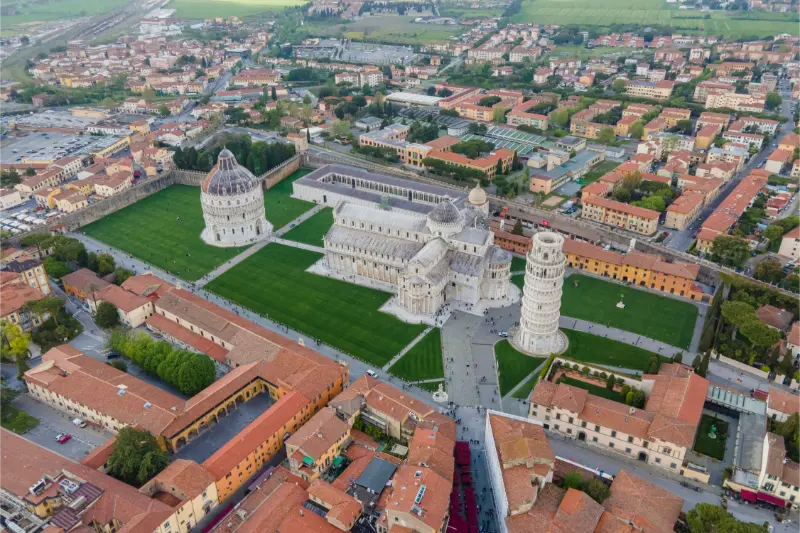
Start with the icons — Florence and Pisa — then look beyond them to Val d’Orcia, Siena and the island coast. Five very different faces of Tuscany, all worth building into a journey.
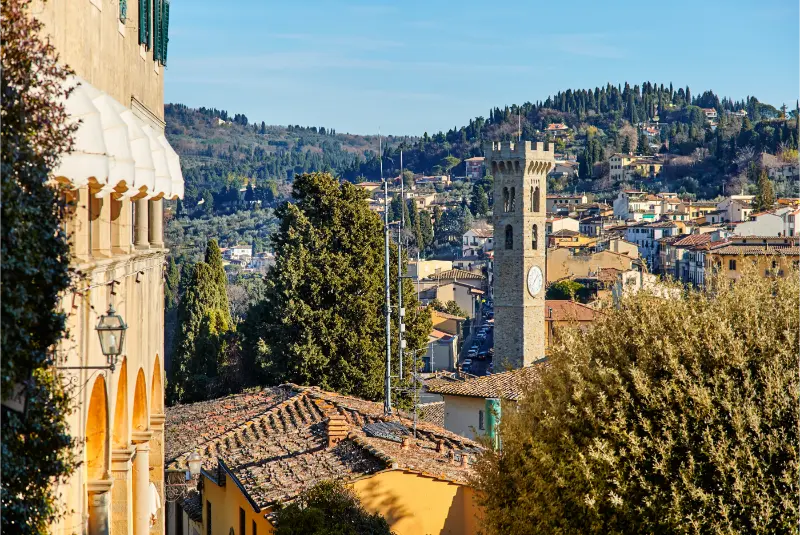

TUSCANY EXPLORER
Start with a place. Leave with a journey.
Practical guides, thoughtful itineraries and ideas for discovering Tuscany at your own pace.