
Maremma Travel Guide: Wild Beaches, Medieval Villages and Tuscany’s Untamed South
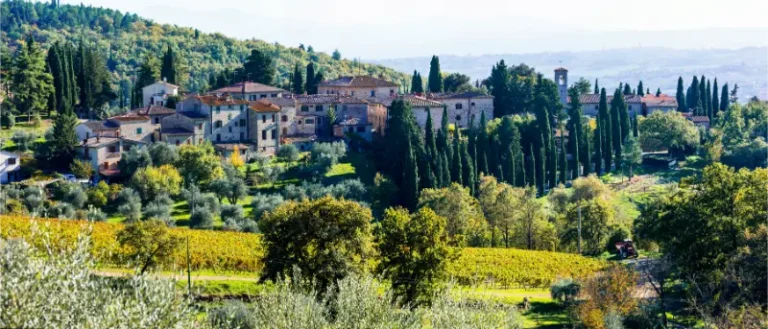
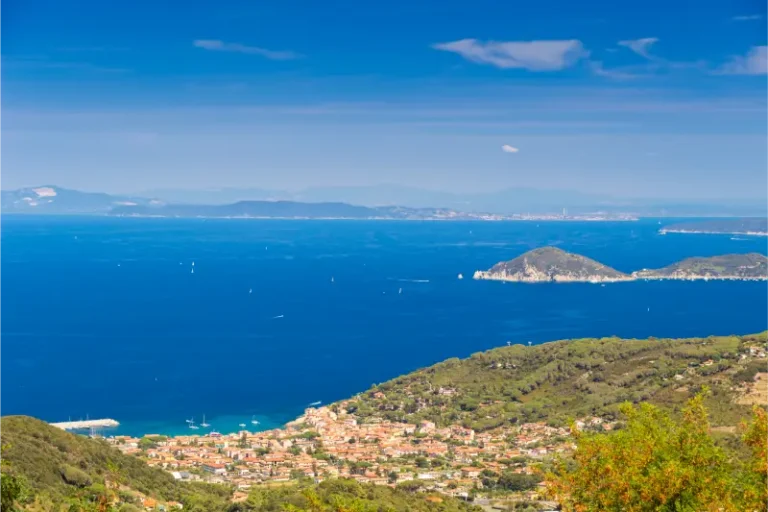
Maremma feels like Tuscany after the landscape has loosened its collar. The hills are broader, the coast wilder, distances longer and the atmosphere less polished than in the famous countryside around Florence and Siena. Here you can move from a medieval town to a pine-backed beach, from an Etruscan site to hot springs, and from vineyards to marshes where birds gather at sunset. The reward is variety: Maremma is not one postcard but a collection of different landscapes held together by a strong local identity.
In a hurry? Give this area at least two days if you can. Choose one logical base, start early for the most popular stops and leave room for a road, village or viewpoint you did not plan. The landscape is part of the attraction, so a schedule that looks efficient on paper can easily become less enjoyable once you are there.
Why Maremma feels different
For centuries parts of Maremma were associated with marshes, malaria and hard agricultural life, the origin of the old expression “Maremma amara.” Reclamation projects under the Lorraine rulers and later interventions transformed much of the plain, while older Etruscan, Roman and medieval layers remained visible in towns and archaeological sites. The region’s butteri, cattle herders often compared to cowboys, are another reminder that this has always been a working landscape rather than simply a holiday coast.
What to see and where to stop in Maremma
Maremma Regional Park
The Parco Regionale della Maremma protects roughly 9,000 hectares between the Ombrone plain and the Uccellina hills. Trails cross Mediterranean scrub, pine forest, pasture and stretches of coast that feel far removed from resort beaches. Start at the visitor centre in Alberese and check the day’s access arrangements, because routes and transport systems can change with season, weather and fire risk. This is one place where planning ahead improves the experience rather than diminishing spontaneity.
Castiglione della Pescaia
Castiglione combines a sandy coast with a medieval upper town that climbs toward a castle. Many visitors remain at beach level; make the walk uphill in late afternoon, when the alleys cool and the view opens over sea, harbour and wetlands. The contrast between fishing-town roots and polished summer atmosphere makes it an excellent base if you want comfort without losing contact with the wider Maremma landscape.
Monte Argentario
Argentario is technically a promontory tied to the mainland by sandy tomboli, and it introduces a sharper, rockier coastline. Porto Santo Stefano and Porto Ercole have very different moods, while the panoramic roads reveal coves that are invisible from the main route. In July and August, do not underestimate traffic and parking; start early and decide on one section of coastline rather than attempting to circle everything at midday.

Pitigliano, Sovana and Sorano
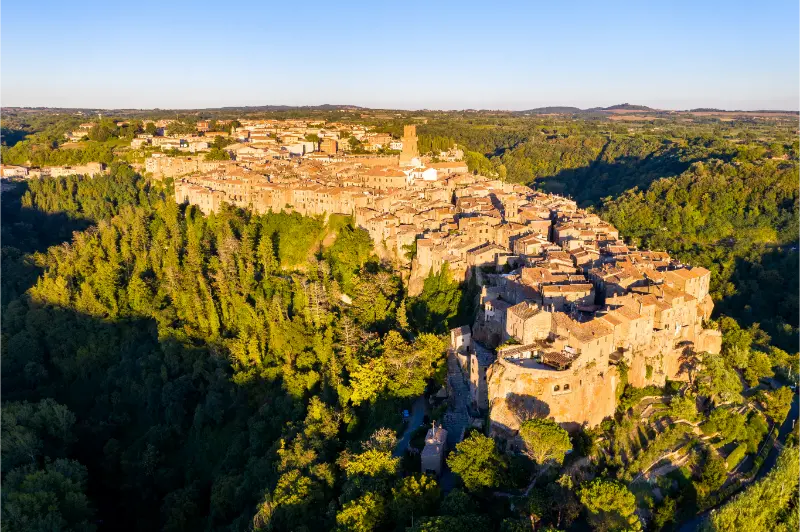
The tuff towns of southern Maremma are among Tuscany’s most dramatic inland landscapes. Pitigliano appears to grow directly from a cliff, while Sovana is smaller and archaeologically rich and Sorano has a darker fortress-town character. The Vie Cave, ancient sunken routes cut deep into tuff, connect history with walking in a way few places in Tuscany can match. Good shoes matter because stone and earth can be slippery after rain.
Saturnia
Thermal water has shaped the identity of Saturnia for centuries. The famous Cascate del Mulino are free natural pools, while the nearby spa offers a more controlled experience. Go very early if you want a quieter visit to the cascades, bring footwear suitable for wet stone and avoid leaving valuables unattended. The thermal landscape is best combined with Montemerano or another hill town rather than treated as a standalone photo stop.
Capalbio and the Tarot Garden
Capalbio is a walled hill town close to the Lazio border, elegant without losing its rural setting. Nearby, Niki de Saint Phalle’s Tarot Garden introduces monumental, colourful sculpture into the Mediterranean countryside and makes an excellent change of tone after several days of churches and medieval streets. Opening schedules are specific, so check before building a day around it.

Cala Violina and the northern coast
Cala Violina is famous for clear water and its unusual fine sand, but access is intentionally managed to protect the setting. Seasonal reservation rules can apply, so do not assume you can simply arrive at peak time. The surrounding Bandite di Scarlino trails make the area more interesting than a single beach: walk, cycle or combine the coast with nearby Massa Marittima for a full day.
Getting around Maremma: driving and parking
Maremma is large, and the biggest planning mistake is trying to cover coast, tuff villages and thermal areas in one day. A car is almost essential outside the rail-served coastal towns. Build your trip around two bases or one clearly defined zone. Parking in medieval centres is generally outside the walls; along the coast, summer parking rules can be strict and paid areas fill early. For protected beaches and park routes, always check official access information on the day rather than relying on an old blog post.
A useful habit throughout Tuscany is to treat the brown or blue parking signs at the entrance to a town as your cue to stop looking for a “better” space closer to the centre. Historic streets were not built for modern traffic, and a ten-minute walk is usually preferable to worrying about a ZTL camera, squeezing through a medieval lane or discovering that the route ahead is residents-only.
A quieter way to experience Maremma
The quieter side of Maremma often appears in the transitions. Drive from Scansano toward the coast in late afternoon, or stop in Montemerano before the evening visitors arrive from Saturnia. Around the Ombrone wetlands, birdlife becomes more active as the day cools. Maremma rewards travellers who leave blank space in the itinerary because a slow lunch, a beach reached on foot or an unexpected hill town can easily become the strongest memory.
Useful booking tools for this trip
Tours & experiences: For guided visits, attraction tickets and bookable experiences in Maremma, See tours & tickets
Car rental: If this trip works better with your own wheels, Compare car rental prices before choosing the pickup point.
Where to eat
Maremman cooking is robust and earthy: acquacotta, wild-boar sauces, tortelli maremmani, seafood along the coast and Morellino di Scansano in the hills. In Castiglione della Pescaia, Ristorante La Fortezza, Via del Recinto 1/3, is a well-regarded address inside the historic setting. For a special stay and meal, L’Andana Resort at Località Badiola combines refined hospitality with the countryside between Grosseto and Castiglione. Check L’Andana prices & availability
Opening days can change outside high season, and many small Tuscan restaurants close one or two days each week. For anywhere you would be disappointed to miss, reserve and confirm the opening time rather than building the whole day around an old listing.
Where to stay
Choose Castiglione della Pescaia for a mix of beach, restaurants and access to the park; choose Pitigliano or Saturnia for the southern inland area; choose Argentario if coves and sea views are the priority. L’Andana, Località Badiola, 58043 Castiglione della Pescaia, is a distinctive luxury option surrounded by the Maremman landscape rather than separated from it.
Want more accommodation options? Where to Stay in Maremma: Coast, Countryside, Hot Springs and Wild Tuscany compares the best bases and makes it easier to choose the right location before you book.
How many days do you need?
With three days, spend one in the Maremma Regional Park and Castiglione, one around Saturnia and the tuff towns, and one on Argentario or the Scarlino coast. With five days, slow the pace and add Capalbio, archaeological sites and a winery around Scansano. Trying to compress this region into a day trip usually means spending too much time on roads and not enough time understanding why Maremma feels different from central Tuscany.
If you are travelling for a week or more in Tuscany, an area like this works best as a genuine base rather than a single excursion. Unpacking for two or three nights gives you the freedom to see a famous place early, return to your accommodation for a break and go out again when the light and atmosphere improve in the evening.
Best time to visit Maremma
Spring is superb for walking, birdlife and green countryside. June and September are excellent for combining sea and inland exploration without the heaviest crowds. July and August favour beach travellers but demand early starts and reservations. Autumn suits wine, thermal baths and woodland routes, while winter can be wonderfully quiet in the hill towns, though some coastal businesses reduce opening days.
Small practical details that make the trip better
Carry water, keep a light layer in the car and download an offline map before rural drives. In summer, do not assume that every village has shade beside the main attraction. In spring and autumn, keep flexible plans because a wet morning can become a brilliant afternoon. When visiting churches and monasteries, carry something to cover shoulders if needed, and when walking natural paths, use proper footwear rather than sandals chosen for the town.
Most importantly, do not measure a Tuscany day by the number of pins you managed to open on a map. The strongest memories often come from the hour that looked inefficient: a quiet piazza after lunch, a road through woodland, a conversation in a food shop or the decision to remain for sunset instead of driving to one more landmark.
For nearby city planning, continue with our guides to Grosseto and Pitigliano.
Is Maremma worth visiting?
Yes—especially if you want Tuscany to feel like a place rather than a sequence of famous photographs. Maremma rewards curiosity, slower travel and a willingness to look beyond the headline attraction. Give it enough time to develop its own rhythm and it can easily become the part of Tuscany you remember most clearly after the major cities have begun to blur together.