
What to See in Pistoia: The Underrated Tuscan City You Shouldn’t Skip
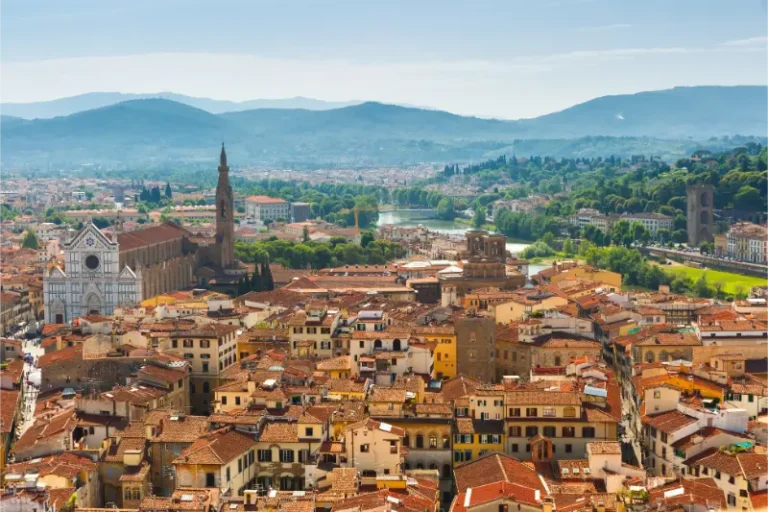
Pistoia is easy to overlook on a map of Tuscany. Florence is to the east, Lucca and Pisa are to the west, and many travellers simply pass through. That makes arriving in its historic centre surprisingly rewarding. Piazza del Duomo has the architectural confidence of a much more famous city, yet you can still stand in the square without feeling that every building has been turned into a tourist backdrop.
The city has Roman origins and flourished in the Middle Ages, leaving churches, civic palaces and a street plan that remains wonderfully walkable. Pistoia later developed a strong cultural identity of its own and was named Italian Capital of Culture in 2017. The best visit combines major monuments with markets, small churches and the everyday streets around them.
Start in Piazza del Duomo
Piazza del Duomo is Pistoia’s great reveal. The Cathedral of San Zeno, Baptistery, Palazzo Comunale, Palazzo Pretorio and bell tower form an unusually complete civic and religious ensemble. Because the buildings come from different periods but share the same stone-and-brick setting, the square feels layered rather than staged.
Visit early in the morning if you can. Delivery vans disappear, shutters open and the square slowly becomes active, giving you a sense of the city before sightseeing begins.
Enter the Cathedral of San Zeno
The cathedral is dedicated to San Zeno and contains one of Pistoia’s most important treasures, the silver Altar of Saint James. The connection with Saint James is significant because Pistoia has long maintained links with pilgrimage traditions associated with Santiago de Compostela.
The interior is calmer than the famous cathedrals of Florence or Siena, which makes details easier to appreciate. Give yourself time to look at chapels, sculpture and the changing light rather than treating the building as a quick stop.
Climb the bell tower if you want the full city view
The bell tower rises around 67 metres above the square and offers the best overview of Pistoia’s historic centre. The climb involves roughly two hundred steps, but from the top you can see how compact the old city is and how quickly the urban landscape gives way to hills.
If stairs are not for you, stay in the square and walk around the Baptistery. Its striped marble exterior is one of the most photogenic parts of Pistoia, especially when the afternoon light catches the green and white stone.
See the Ospedale del Ceppo and its glazed frieze
The former Ospedale del Ceppo is one of the city’s most distinctive sights. Its loggia is decorated with a colourful glazed terracotta frieze showing works of mercy and hospital life. The scenes are vivid enough to understand without specialist knowledge, and they bring Renaissance social history into a very human scale.
Pistoia’s underground route, when available, adds another layer beneath the hospital complex and follows waterways and structures connected with the city’s development. It is the kind of experience that turns a pleasant day trip into something more memorable.
Walk to Sant’Andrea for the pulpit
The Church of Sant’Andrea is smaller than the cathedral but contains a masterpiece: Giovanni Pisano’s sculpted pulpit. The figures are energetic and emotionally intense, very different from the calm geometry many travellers associate with Romanesque Tuscany.
Because the church is outside the most obvious visitor path, the atmosphere is often quiet. It is one of those places where a single work of art justifies the detour.
Explore the market streets around Piazza della Sala
Piazza della Sala and the surrounding streets give Pistoia its most sociable atmosphere. Historically linked to food trading, the area still fills with market stalls, bars and restaurants. Narrow lanes radiate outward, making it an ideal place to stop following a map.
Come back in the evening if you stay overnight. The square changes character after shops close and becomes one of the best places in the centre for a drink or dinner.
Visit San Giovanni Fuorcivitas
San Giovanni Fuorcivitas is easy to recognise by its striking striped marble side. The name recalls a time when the church stood outside an earlier circuit of city walls. Its position today, tightly embedded in central streets, is a reminder of how Pistoia expanded over centuries.
Inside, look for sculptural and decorative details rather than expecting a huge monumental space. Pistoia is at its best when several smaller discoveries build on one another.
Where to park in Pistoia
The historic centre has traffic restrictions, so leave the car outside the most sensitive streets. Parcheggio Cellini, entered from Via Martiri della Fortezza, is a large free parking area and is about a kilometre from Piazza del Duomo. It is a straightforward option if you do not mind a short walk.
Parcheggio Pertini on Viale Antonio Pacinotti is another large option around the centre. Once parked, Pistoia is compact enough that you will not need the car again until you leave.
Where to eat and where to stay
Locanda del Capitano del Popolo, at Via di Stracceria 5/7, is a characterful choice right in the historic centre, close to Piazza della Sala. The setting suits a meal focused on Tuscan flavours without needing to leave the old streets.
For accommodation, Palazzo 42 at Via Curtatone e Montanara 42 is a boutique-style option within easy walking distance of the main sights. Its central position is particularly convenient if you arrive by train or want to spend the evening in the centre. Check Palazzo 42 prices & availability
Want more accommodation options? Where to Stay in Tuscany: The Best Areas for Every Kind of Trip compares the best bases and makes it easier to choose the right location before you book.
Useful booking tools for this trip
Tours & experiences: For guided visits, attraction tickets and bookable experiences in Pistoia, See tours & tickets
How much time do you need in Pistoia?
A full day is ideal. Start in Piazza del Duomo, visit the cathedral and bell tower, continue to Ospedale del Ceppo, Sant’Andrea and San Giovanni Fuorcivitas, then spend late afternoon around Piazza della Sala. The railway station is also close enough to the centre to make Pistoia an easy car-free day trip.

If you are building a Tuscany itinerary around major art cities, Pistoia works especially well between Florence and Lucca. It gives you many of the elements people travel to Tuscany for—Romanesque architecture, medieval streets, great food and art—without the feeling of moving through a constant queue.
Continue with our Tuscany destination guides.
Do not miss Pistoia’s striped marble
One of the pleasures of walking Pistoia is recognising recurring green-and-white marble across different buildings. The Baptistery, San Giovanni Fuorcivitas and other churches use the pattern in different proportions, giving the centre a visual coherence that becomes more obvious as the day goes on.
This is a city where architectural details matter. Look at carved portals, capitals and side façades instead of walking only from one main entrance to another.
Take a slow lunch rather than rushing back to Florence
Because Pistoia is often visited as a short stop, many people leave before they experience its best rhythm. Stay through lunch, then walk again when the main squares are quieter. Tuscan classics such as ribollita, handmade pasta and grilled meats appear on local menus, but the pleasure is as much about eating in a compact neighbourhood setting as about hunting for a single signature dish.
After lunch, return to Piazza della Sala or explore the lanes toward San Bartolomeo in Pantano, another Romanesque church with a quieter atmosphere.
If you have more time, look toward the hills
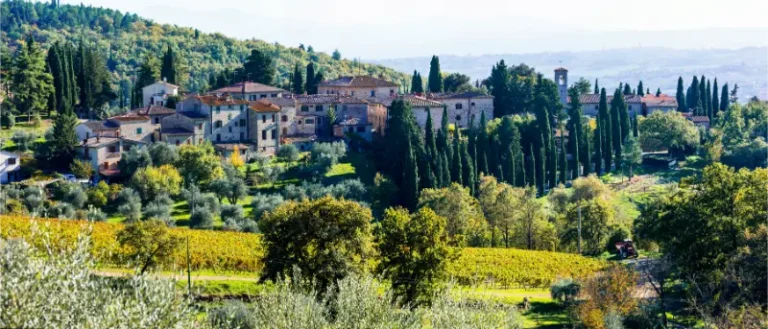
Pistoia sits at the edge of a varied province that reaches toward the Apennines. With an extra day, the city can be a base for gardens, villas and mountain areas rather than merely a stop between larger Tuscan cities. This geographical position helps explain why Pistoia feels connected both to the Florence plain and to a greener, more northern landscape.
Visit the city market if your timing allows
Market activity around the central streets gives Pistoia a particularly lived-in feeling. Even when you are not shopping, passing stalls of fruit, vegetables, clothing and household goods helps break up a day of churches and museums. Piazza della Sala has been connected with food trading for centuries, so the market atmosphere belongs naturally to the historic centre.
Arrive before lunch if you want to see the area at its busiest, then return later when tables and evening activity replace the daytime commerce.
Use Pistoia as a pause between bigger names
If your itinerary includes Florence, Pisa and Lucca, Pistoia can easily become the day when you stop booking timed entries. Its major sights rarely require the same advance planning, distances are short and you can make decisions as you go. This does not mean there is less to see; it means the experience is more flexible.
Spend extra time in a café, enter a church because its door is open or stay longer in Piazza del Duomo when the light is good. That freedom is a large part of the city’s appeal.
Best way to structure the day
Arrive in the morning and head directly to Piazza del Duomo. Visit the cathedral and one major cultural site before lunch, then eat around Piazza della Sala. In the afternoon, walk to Sant’Andrea and the Ospedale del Ceppo, finishing with San Giovanni Fuorcivitas and another pass through the centre.
If you are driving, leave the car parked for the whole day. If you arrive by train, the walk from the station is simple enough that Pistoia feels almost immediately accessible.