Morellino di Scansano: DOCG Wine and Winery Visits in Maremma
Morellino di Scansano is the Sangiovese-based red that belongs to the warmer, more maritime side of southern Tuscany. It is sometimes treated as a cheaper substitute for better-known Tuscan DOCGs, which misses the point. The official production area stretches across Scansano and parts of six neighbouring municipalities in Maremma, and the wine has its own climate, soils and regulatory identity. For travellers, Scansano is also unusually practical because the denomination’s official enoteca and several wineries offer direct comparison tastings.
Fact-check note: denomination rules, producer visits and practical information in this article were checked against primary or official tourism sources in September 2026. Where a price or opening time is mentioned, treat it as a dated reference rather than a permanent tariff.
Quick facts that matter
| DOCG since | 2007 harvest |
|---|---|
| Main grape | Sangiovese, minimum 85% |
| Other red grapes | Up to 15% of permitted Tuscan varieties |
| Maximum yield | 9,000 kg/ha |
| Core town | Scansano, plus parts of six neighbouring municipalities |
The DOCG rules you should know
Morellino di Scansano has been DOCG since the 2007 harvest, after holding DOC status from 1978. The protected area includes the municipality of Scansano and parts of Campagnatico, Grosseto, Magliano in Toscana, Manciano, Roccalbegna and Semproniano.
The blend must contain at least 85% Sangiovese, with up to 15% other red grapes authorised in Tuscany. The DOCG maximum grape yield is 9,000 kilograms per hectare. Vinification must take place within the production area, and bottling is also generally required there, subject to historic exceptions described by the consortium.
That 85% rule matters when tasting. A producer can make a 100% Sangiovese Morellino, but 100% is not required by the denomination. Ask for the blend instead of assuming all bottles are identical.
Start at the official Enoteca in Scansano
The Consorzio’s Enoteca is at Via XX Settembre 36 in Scansano. The official consortium page currently lists opening Monday to Saturday, 10:00–17:45. This is an efficient place to compare producers if your trip is too short for multiple winery appointments.
The associated Visit Morellino tasting menu currently lists flights such as three Morellino annata wines, a progression including Riserva, and larger comparative tastings with local cheeses and cured meats. Because menus and prices change, use them as current examples and confirm on the day.
A winery visit with a useful comparative format
Vignaioli del Morellino di Scansano is a cooperative founded in 1972. Its own site describes about 170 members farming roughly 700 hectares around Scansano. The current “100% Morellino” experience is designed specifically to compare different expressions of the denomination and includes a winery visit, four wines and local products. The producer page currently lists the experience around 80 minutes and €15, while the Visit Morellino booking marketplace may show a different current retail price; that discrepancy is exactly why you should check the final booking page rather than copying an old tariff.
The “Le Vigne” format broadens the tasting beyond Morellino and can be useful if you want to understand Maremma’s Vermentino and other local styles too. For a first visit, however, a vertical or comparative Morellino flight is more educational.
What makes a Morellino day different from a Chianti day
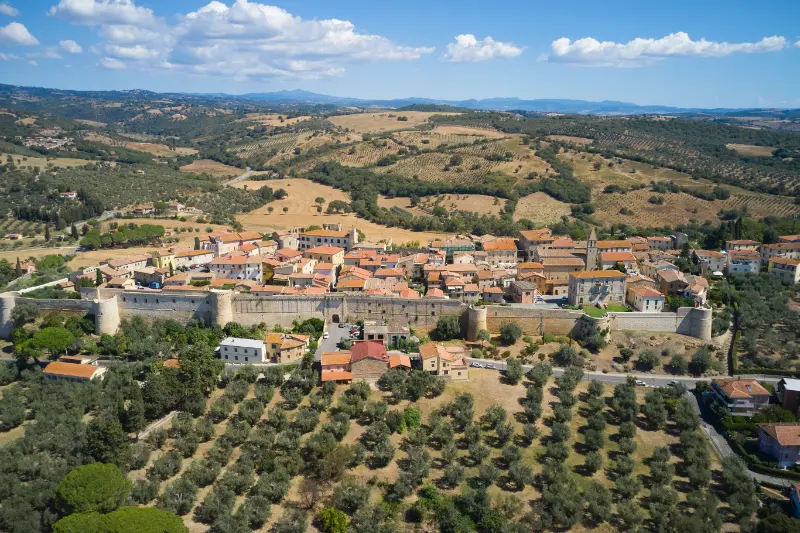
Maremma is more spread out. Scansano, Magliano, Grosseto, the coast and Saturnia are not one compact wine village. Build the day around geography. If you are sleeping near Grosseto, combine Scansano with one winery. If you are based near Saturnia, visit a winery en route rather than zig-zagging across the province.
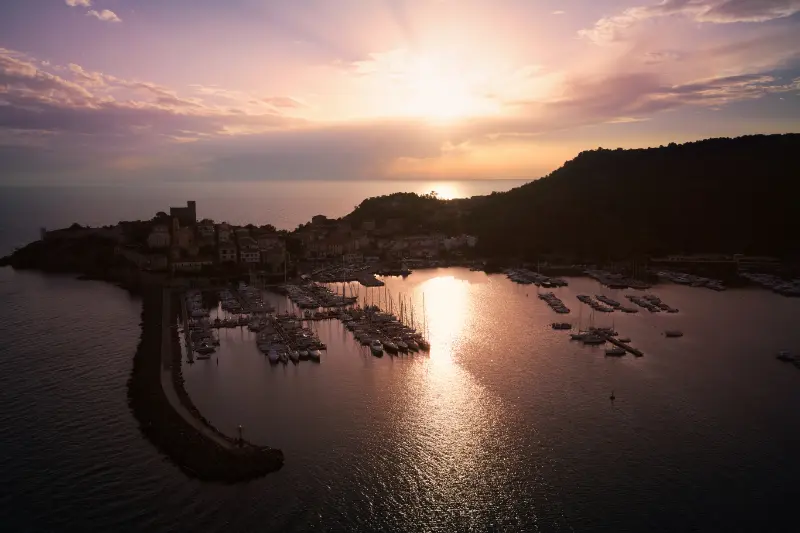
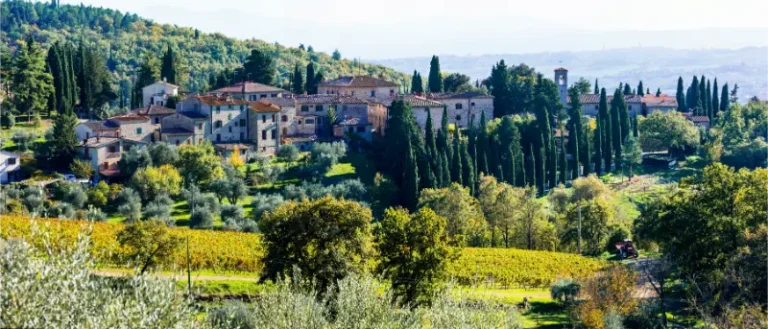
The landscape and climate are also different from central Chianti. Expect broader valleys, warmer conditions and a stronger Mediterranean influence as you move toward the coast. In the glass this often translates into ripe fruit and generous texture, though producer and site differences remain more important than stereotypes.
A car is close to essential for the countryside. If you plan more than a small tasting, designate a driver. Rural Maremma roads can be dark after sunset and wildlife is another reason not to rush.
Food pairings that actually fit Maremma
Morellino works naturally with the region’s meat-heavy and rustic cooking: wild boar preparations, grilled or braised meats, pecorino and cured meats. But do not assume Riserva automatically needs the heaviest dish. A younger Morellino can be excellent with tomato-based pasta or a simple tagliere, while a structured Riserva may handle richer game or aged cheese.
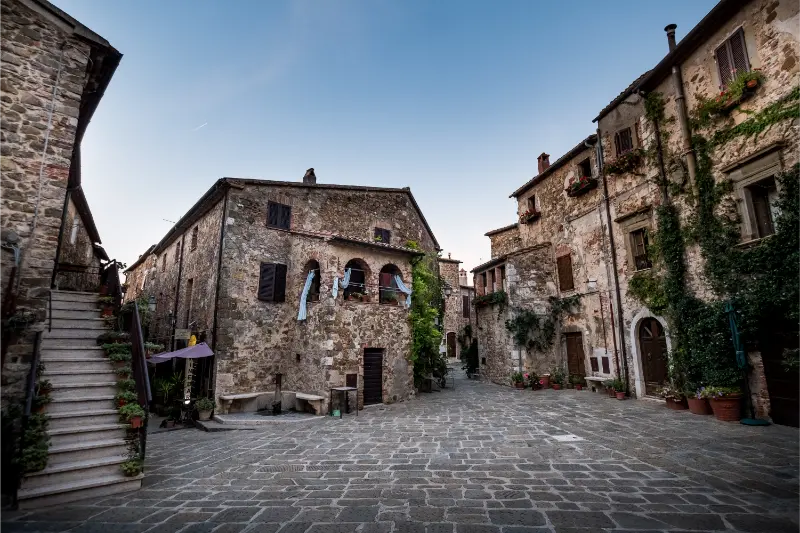
At the official enoteca, tasting flights with Maremman salumi and Pecorino Toscano DOP offer a practical way to compare how salt, fat and seasoning change the wine. Take notes before the food arrives, then taste again with the pairing.
Practical checklist
- Use Scansano as the tasting anchor, not merely as a road sign between the coast and Saturnia.
- Check the official enoteca hours before making a special journey.
- Reserve winery tours in advance even when the wine shop itself accepts walk-ins.
- Ask whether the tasting includes annata, Riserva or both.
- Do not confuse “100% Morellino” as a legal requirement; the DOCG requires at least 85% Sangiovese.
- In summer, carry water and protect purchased bottles from car heat.
Useful booking links for this trip
Compare rental cars for Maremma
Browse experiences around Saturnia and southern Tuscany
Build this into a Tuscany itinerary
The regulatory and visit details below were checked against official consortium, municipal, tourism-board or producer pages in September 2026. Opening times, prices and bookable experiences can change, so confirm directly before travelling.

Questions worth asking at a Morellino tasting
Ask whether the wine is 100% Sangiovese or uses the permitted 15% of other red varieties. Compare annata and Riserva from the same producer when possible. Ask where the vineyards sit within the broad DOCG zone because a site toward the coast can feel very different from an inland hillside. If the winery also makes Vermentino, tasting it first is a useful way to understand the estate before moving into red wines.
How to read a Morellino label before buying
Start with the denomination itself: Morellino di Scansano DOCG tells you the wine follows the protected production rules and comes from the authorised zone, not simply from somewhere in southern Tuscany. Then look for the producer, vintage and whether the bottle is the standard annata or a Riserva. Do not assume Riserva automatically means “better” for your meal: extra maturation usually gives a different structure and development, while a younger annata can be the more useful choice with everyday Maremman food.
If you are comparing bottles at the Enoteca del Morellino or a winery, ask for one wine from a site closer to the Tyrrhenian influence and another from a more inland or elevated vineyard. The DOCG area is broad enough that site matters. Photograph the back label of bottles you like and note the blend: the rules require at least 85% Sangiovese, so a producer can either stay at 100% or use permitted complementary red grapes to shape its house style.
Before you set out
Check the producer or official consortium page again within 24–48 hours of travel. Rural opening times can change for harvest, private events and seasonal closures. Save the phone number and exact address, and allow extra driving time rather than scheduling tastings back-to-back. If alcohol is part of the experience, decide transport before the first pour, not afterwards. For food allergies or dietary restrictions, contact the producer directly because a tasting described simply as “local products” may include nuts, dairy, gluten, cured meats or other allergens.
Keep receipts and labels for products you want to remember. A photograph of the bottle or cheese label is more reliable than trying to reconstruct the producer name later. When an experience teaches you a regulation — grape percentage, ageing rule, protected mark or production area — compare that information with the official source linked at the end of this guide. That is the easiest way to separate a producer’s house style from the rules that apply to the whole denomination.
How much time to allow
Do not measure this experience only by the tasting duration. Add time for parking, check-in, questions, purchases and the transfer to your next stop. A listed 60-minute tasting can easily occupy 90 minutes door to door, while a farm or cellar tour may run longer during harvest. For a food-focused day, one major morning visit and one afternoon visit is usually more useful than three appointments. It leaves enough time to eat, take notes and understand the landscape connecting the producers.
When choosing between a guided tour and an independent visit, consider transport first. Guided options cost more but remove the driving problem when wine is involved and can connect rural addresses that are awkward by public transport. Independent travel is better for travellers who want to stop at villages and viewpoints, provided one person remains alcohol-free. Either way, reserve the key producer first and build the rest of the day around that fixed appointment.