Florence Street Food and Markets: Lampredotto, Tripe and Where to Eat
Florence’s most characteristic street food is not a recent gourmet invention. The city’s trippai serve lampredotto and tripe from permanent kiosks and market counters, continuing a working-food tradition tied to the bovine “fifth quarter.” The useful way to eat it is not to hunt for one viral stall but to understand the dish, know where the city itself says trippai are located, and visit a market during the hours when its traditional food traders are actually working.
Fact-check note: denomination rules, producer visits and practical information in this article were checked against primary or official tourism sources in September 2026. Where a price or opening time is mentioned, treat it as a dated reference rather than a permanent tariff.
Quick facts that matter
| Sant’Ambrogio covered market | Monday–Saturday, current municipal schedule 07:00–15:00 |
|---|---|
| Lampredotto locations | Official tourism list includes Cimatori, Mercato Centrale, Sant’Ambrogio, Via dei Macci, Porcellino area and others |
| Best time for trippai | Usually lunch, according to FeelFlorence |
| Mercato Centrale | Traditional food market downstairs; later-opening modern food hall upstairs |
Lampredotto versus trippa: do not order them as if they are the same
Lampredotto is made from part of the bovine stomach and is simmered, sliced and usually served in a panino, often with salt, oil, green sauce and optional chilli. Trippa alla fiorentina uses different stomach sections and is generally served as a cooked dish with tomato and other seasonings. Both belong to Florence’s offal tradition, but the textures and preparations are different.
FeelFlorence, the city’s official tourism portal, specifically identifies trippai in Piazza Cimatori, inside Mercato Centrale, inside Sant’Ambrogio, Via dei Macci, around the Loggia del Porcellino, Via Maso Finiguerra and Via dell’Ariento. It also notes that these stalls are usually lunch-focused. That is more useful than assuming every lampredotto counter stays open into the evening.
At a trippaio, a simple order is “un panino col lampredotto.” You may be asked whether you want the bread bagnato — dipped/moistened with cooking broth — and whether to add salsa verde or spicy sauce. If offal is new to you, ask for the sauces on the side so you can taste the meat first.
Sant’Ambrogio Market: the most useful traditional market stop
The covered Mercato di Sant’Ambrogio is at Piazza Lorenzo Ghiberti in the Santa Croce side of the centre. Florence’s current market plan lists the covered market Monday to Saturday, with sales from 07:00 to 15:00; it is not a Sunday food-hall destination.
The municipal market schedule shows 20 covered food businesses, including butchers/poultry sellers, bakeries/pastry shops, cheese/gastronomy sellers, fish, fruit and vegetables, a bar, a hot-food/trattoria counter and a tripperia. That mix is why Sant’Ambrogio is valuable: you can see what Florentines buy rather than only what tourists are offered.
Go before lunch if you want to browse ingredients. By early afternoon traditional vendors are winding down. The external market has its own timetable and should not be confused with the covered hall.
Mercato Centrale: two floors, two different experiences
San Lorenzo’s historic Mercato Centrale is often described as one attraction, but the ground floor and upper food hall serve different purposes. FeelFlorence describes the ground floor as the traditional market with fruit, vegetables, meat, fish and bread sellers, while the upper level contains food businesses and restaurants with much later opening.
If your goal is market culture, go in the morning and spend time downstairs. If your goal is a flexible late lunch or evening grazing stop, the upstairs hall is more convenient. Do not visit at 21:00 and conclude that Florence’s traditional market operates at night; by then you are experiencing the modern food-hall layer.
A practical food walk with no wasted steps
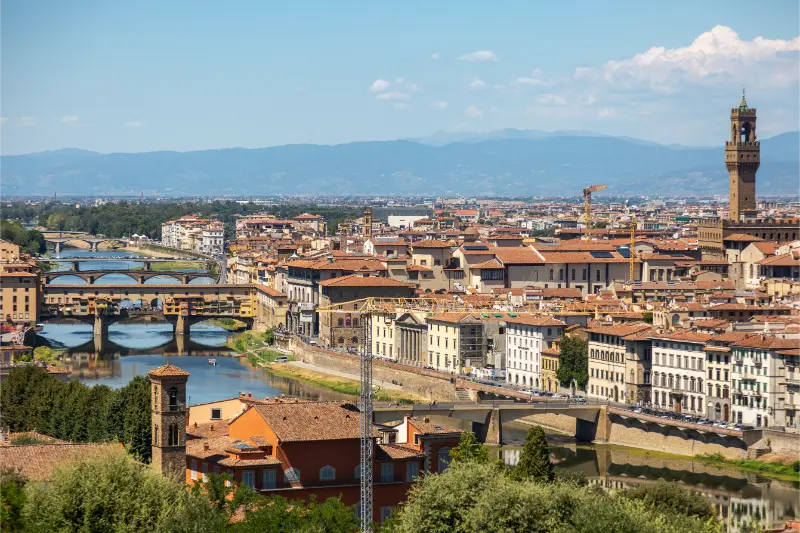
Start at Sant’Ambrogio around 09:00–10:00, when food stalls are active but lunch queues have not yet formed. Walk through Santa Croce toward the historic centre, then choose a trippaio around late morning. Continue toward San Lorenzo and Mercato Centrale in the afternoon. This creates a logical east-to-west route rather than zig-zagging.
One lampredotto panino is substantial. Do not build a “food tour” that requires a full sandwich at five stalls. Split portions if you are travelling with someone, and use the rest of the day for schiacciata, cheese, seasonal fruit, coffee and a pastry.
Florence is extremely walkable, but market hours matter more than distance. Plan around opening times first, monuments second. The Duomo will still be there at 16:00; a butcher or trippaio may not.
What else to look for in the markets
Use the markets to see ingredients behind Tuscan dishes: cannellini beans, cavolo nero in season, local salumi, pecorino, fresh pasta, tripe and seasonal vegetables. A market is also a better place to understand the difference between everyday Tuscan food and souvenir products.
For a simple lunch, look for dishes that change with the season rather than a menu trying to serve every “Tuscan classic” year-round. Ribollita is associated with cooler weather and leafy greens; fresh tomatoes and lighter vegetable dishes make more sense in summer. Seasonality is a stronger sign of a working kitchen than decorative rusticity.
Street-food etiquette and common mistakes
- Trippai are often lunch businesses; do not assume evening opening.
- Florence’s red street numbers can be confusing: commercial addresses may use a red “r” number.
- Do not block the counter while deciding after your food is ready; many kiosks operate quickly.
- Have a card but also some cash for small purchases; payment methods can vary by stall.
- If you dislike offal, do not force lampredotto for a checklist. Markets offer plenty of other local food.
- Separate the traditional ground-floor market from Mercato Centrale’s modern upper food hall when describing what you visited.
Useful booking links for this trip
Build this into a Tuscany itinerary
The regulatory and visit details below were checked against official consortium, municipal, tourism-board or producer pages in September 2026. Opening times, prices and bookable experiences can change, so confirm directly before travelling.

A few useful phrases at the counter
“Un panino col lampredotto” gets you the basic sandwich; “con salsa verde” adds the classic herb sauce; “piccante” asks for heat. “Bagnato” refers to moistening the bread with broth. You do not need perfect Italian, but understanding those words makes the interaction faster. At market counters, ask “posso assaggiare?” before assuming samples are free, and buy a small portion if you want to compare several foods.
Before you set out
Check the producer or official consortium page again within 24–48 hours of travel. Rural opening times can change for harvest, private events and seasonal closures. Save the phone number and exact address, and allow extra driving time rather than scheduling tastings back-to-back. If alcohol is part of the experience, decide transport before the first pour, not afterwards. For food allergies or dietary restrictions, contact the producer directly because a tasting described simply as “local products” may include nuts, dairy, gluten, cured meats or other allergens.
Keep receipts and labels for products you want to remember. A photograph of the bottle or cheese label is more reliable than trying to reconstruct the producer name later. When an experience teaches you a regulation — grape percentage, ageing rule, protected mark or production area — compare that information with the official source linked at the end of this guide. That is the easiest way to separate a producer’s house style from the rules that apply to the whole denomination.
How much time to allow
Do not measure this experience only by the tasting duration. Add time for parking, check-in, questions, purchases and the transfer to your next stop. A listed 60-minute tasting can easily occupy 90 minutes door to door, while a farm or cellar tour may run longer during harvest. For a food-focused day, one major morning visit and one afternoon visit is usually more useful than three appointments. It leaves enough time to eat, take notes and understand the landscape connecting the producers.
When choosing between a guided tour and an independent visit, consider transport first. Guided options cost more but remove the driving problem when wine is involved and can connect rural addresses that are awkward by public transport. Independent travel is better for travellers who want to stop at villages and viewpoints, provided one person remains alcohol-free. Either way, reserve the key producer first and build the rest of the day around that fixed appointment.
How this guide was verified
The regulatory facts were taken from the relevant protection consortium or official regional/municipal source rather than copied from commercial travel blogs. Named farms, wineries, markets and restaurants were included only where a current official page confirmed that the place exists and describes the relevant experience or product. Dynamic details such as prices and opening times are presented as a September 2026 snapshot and are deliberately separated from permanent denomination rules.
This distinction matters in food and wine travel. A DOCG grape percentage is a rule until the production specification changes; a €35 tasting price can change tomorrow. A municipal market schedule is stronger evidence for opening patterns than an old review; a producer page is stronger evidence for its current tour than a third-party list. Recheck the dynamic details, but you should not have to second-guess the underlying definitions in this article.