Vino Nobile di Montepulciano: DOCG Rules, Historic Cellars and Winery Visits
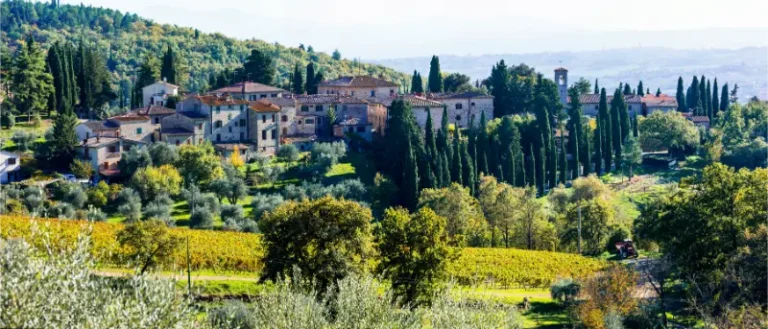
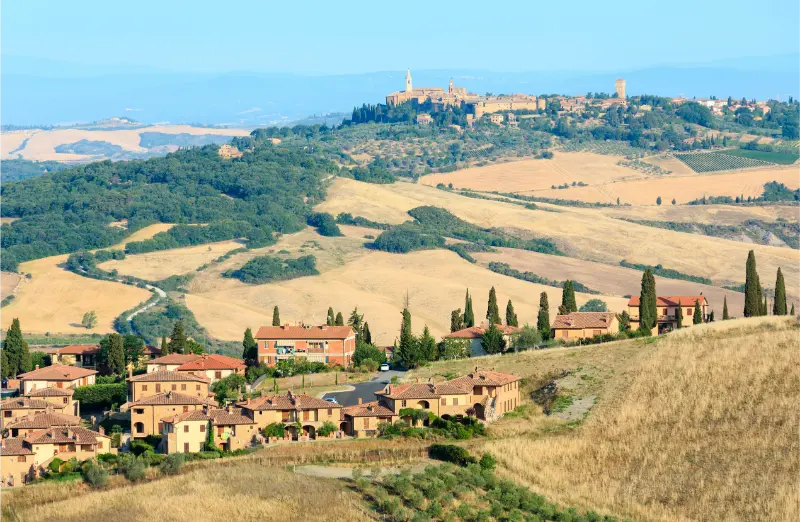
Vino Nobile di Montepulciano is one of the easiest Tuscan wines to misunderstand because the place name and the grape name used elsewhere in Italy sound identical. Here, Montepulciano is the hill town in southern Tuscany; the DOCG is based on Sangiovese, not on the Montepulciano grape associated with Abruzzo. That distinction is more than trivia: it explains the wine’s structure, the local cellar culture and why a tasting in the historic centre can be paired with vineyards outside the walls. This guide focuses on what the official production rules actually require, what the new “Pieve” category changes, and which cellar visits were genuinely bookable when checked.
Fact-check note: denomination rules, producer visits and practical information in this article were checked against primary or official tourism sources in September 2026. Where a price or opening time is mentioned, treat it as a dated reference rather than a permanent tariff.
Quick facts that matter
| Main grape | Sangiovese, minimum 70% |
|---|---|
| Production zone | Municipality of Montepulciano, excluding Valdichiana; eligible vineyards 250–600 m |
| Standard ageing | At least 2 years from 1 January after harvest |
| Riserva ageing | At least 3 years, including at least 6 months in bottle |
| Pieve | Minimum 85% Sangiovese; older vineyards and stricter ageing/yield rules |
What the official DOCG rules actually require
The Consorzio Vino Nobile di Montepulciano states that the production zone is the municipality of Montepulciano, excluding the flat Valdichiana sector, and that eligible vineyards lie between 250 and 600 metres above sea level. The blend must contain at least 70% Sangiovese; up to 30% may come from other red varieties authorised in Tuscany. Maximum yield is 8 tonnes per hectare.
The ageing rule is equally useful when reading a label. Standard Vino Nobile must mature for at least two years from 1 January after the harvest. The specification allows different combinations of wood, other vessels and bottle ageing, but the two-year minimum remains. A wine carrying the Riserva designation must mature for at least three years, including at least six months in bottle. So “Riserva” is not simply a producer’s marketing adjective; it is tied to additional legal ageing requirements.
These details help explain why two bottles labelled Vino Nobile can taste very different. The DOCG does not prescribe one single vessel or one narrow recipe. Producers can work with large casks, smaller barrels and other containers within the framework, and vineyard position also matters. A serious tasting should therefore compare producers or sites rather than treating the denomination as one uniform flavour.
The new Pieve category: what changed
The most important recent development is Vino Nobile di Montepulciano Pieve DOCG. The official rules raise the Sangiovese minimum to 85% and limit the complementary grapes to traditional local red varieties: Canaiolo, Ciliegiolo, Mammolo and Colorino, with Colorino capped at 5%. The vineyards must be at least 15 years old, sit between 250 and 600 metres, and be directly managed by the bottling estate. Maximum yield is lower at 70 quintals per hectare, and maturation is at least three years, including a minimum of 12 months in wood and 12 months in bottle.
For travellers, the useful point is not to assume that “Pieve” means simply a more expensive Riserva. It is a territorial category linked to named sub-zones and stricter vineyard and blend rules. The first vintage was 2021 and the category began reaching the market after the required ageing period. If a winery includes a Pieve wine in a tasting, ask which Pieve it comes from and how that site differs from its standard Vino Nobile vineyards; that produces a much more informative tasting than merely comparing alcohol or oak levels.
Three verified cellar options in and around the historic centre
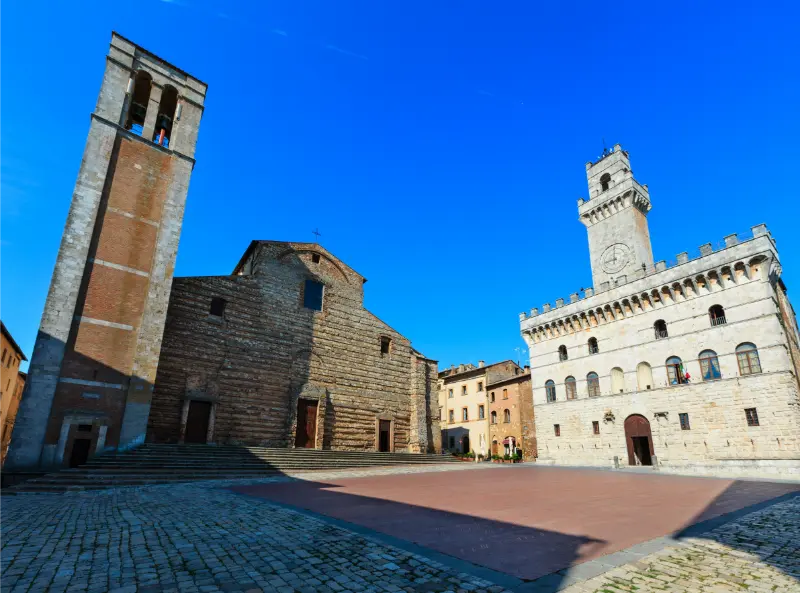
Contucci, at Via del Teatro 1 beside Piazza Grande, offers an unusually direct connection between the town and the wine. Its historic cellars occupy part of Montepulciano’s old walls and remain operational. The producer’s current experience includes the cellars and, depending on the booked format, areas of Palazzo Contucci and the panoramic garden. Because the building is historic, visitors with mobility limitations should ask about stairs and access before booking.
De’ Ricci, Via Ricci 13, lists guided visits every day by reservation. When checked in September 2026, the basic “Visit the Cathedral” experience lasted about 75 minutes and paired the historic cellar with a choice of three or six wines and a small taste of local products. The winery also listed a separate 100% Sangiovese tasting. Prices shown online were €20/€30 for the three/six-wine visit and €50 for the Sangiovese-focused format; these are dated prices, so verify them before travelling.
Talosa has a sales point and access to its historic cellar at Via Talosa 8, around 20 metres from Piazza Grande. The estate says visitors may enter the shop freely and reserve a guided cellar visit with tasting. Talosa reports 33 hectares and roughly 100,000 bottles a year, so this is not simply a tourist tasting room detached from production.
How to plan a tasting day without wasting it
For most visitors, two substantial tastings in one day are enough. A historic-centre cellar in the morning and an estate outside town later in the day gives more contrast than three similar underground-cellar visits. Leave time for lunch and for the steep walk through Montepulciano; Piazza Grande sits at the upper end of the historic centre and the town is not flat.
If you are driving, do not plan to “taste lightly and see how it goes.” Appoint a non-drinking driver, use a private driver or choose a guided excursion. Tuscany’s wine roads are narrow, curving and shared with local traffic. A tasting may include several pours, and spitting is normal in a technical tasting. It is entirely acceptable to use the spittoon.
Reserve in advance in high season and during harvest. Ask exactly what is included: a counter tasting is different from a guided cellar tour; a vertical tasting is different from a flight of current releases; food may mean a few local bites rather than lunch. If your main interest is Pieve wines, mention that when booking because not every experience automatically includes them.
What to taste beside Vino Nobile
Do not ignore Rosso di Montepulciano DOC. It comes from the same general production territory and also requires at least 70% Sangiovese, but its rules and release schedule make it a younger, usually more immediate expression. Tasting Rosso beside Vino Nobile can show what ageing and selection do more clearly than comparing two unrelated reds.
Also look for Vin Santo di Montepulciano when a producer makes it. The denomination has its own rules and grape base and should not be treated as a sweet afterthought. With food, local pecorino, cured meats, pici with a robust sauce and roast meats make more sense than trying to invent a single “perfect” pairing for every Vino Nobile style.
Common mistakes to avoid
- Confusing the wine with Montepulciano d’Abruzzo: the Tuscan DOCG is Sangiovese-led and named for the town.
- Assuming every cellar in the old town owns vineyards under the streets: historic ageing cellars and vineyard estates are different parts of the production chain.
- Booking three or four full tastings: palate fatigue makes later visits less useful and driving becomes a serious issue.
- Reading “Riserva” as a vague quality claim: it has legally defined ageing requirements.
- Expecting Pieve in every flight: it is a newer, more selective category and availability depends on producer and vintage.
Useful booking links for this trip
Check Montepulciano wine-tasting availability
Compare places to stay in Montepulciano
Build this into a Tuscany itinerary
The regulatory and visit details below were checked against official consortium, municipal, tourism-board or producer pages in September 2026. Opening times, prices and bookable experiences can change, so confirm directly before travelling.

Questions worth asking the tasting host
Ask which vineyards supplied each wine, whether the estate uses the local term Prugnolo Gentile for its Sangiovese, what vessel the wine matured in and how long it spent in bottle. For Pieve, ask the precise named area and vineyard age. For Riserva, ask whether the selection is made in the vineyard, cellar or both. These questions turn a tasting from a recital of flavours into an explanation of production choices.
If you buy wine, ask whether the bottle is ready to drink or designed for longer cellaring. A young Vino Nobile can benefit from air, while older bottles may need careful decanting because of sediment. The producer is a better source than a universal decanting rule.
Before you set out
Check the producer or official consortium page again within 24–48 hours of travel. Rural opening times can change for harvest, private events and seasonal closures. Save the phone number and exact address, and allow extra driving time rather than scheduling tastings back-to-back. If alcohol is part of the experience, decide transport before the first pour, not afterwards. For food allergies or dietary restrictions, contact the producer directly because a tasting described simply as “local products” may include nuts, dairy, gluten, cured meats or other allergens.
Keep receipts and labels for products you want to remember. A photograph of the bottle or cheese label is more reliable than trying to reconstruct the producer name later. When an experience teaches you a regulation — grape percentage, ageing rule, protected mark or production area — compare that information with the official source linked at the end of this guide. That is the easiest way to separate a producer’s house style from the rules that apply to the whole denomination.