Vernaccia di San Gimignano: DOCG Wine, Tastings and Wineries
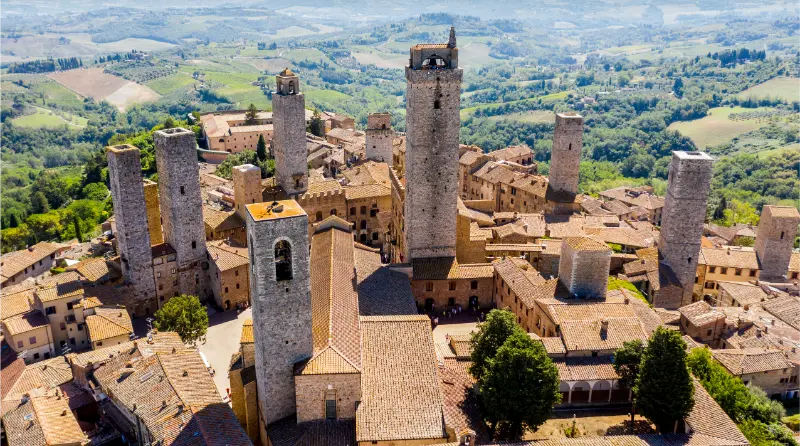
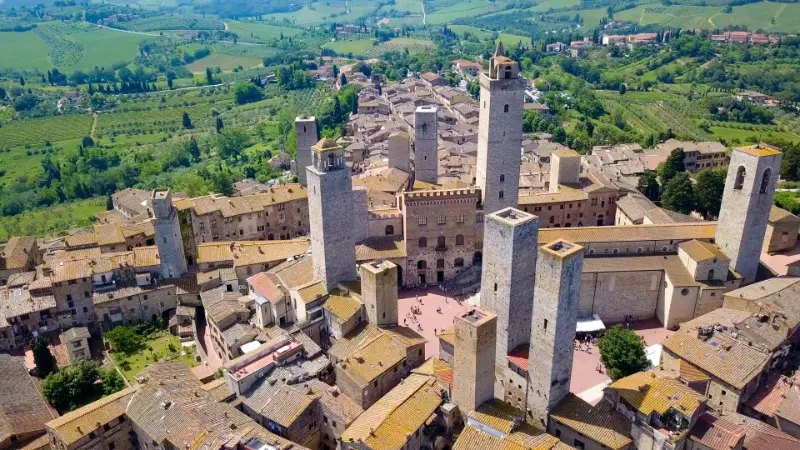
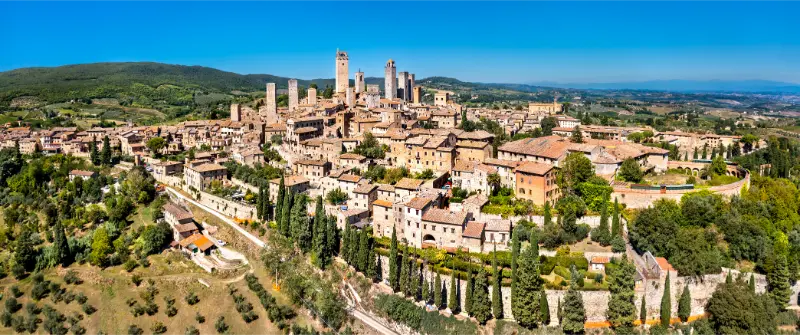
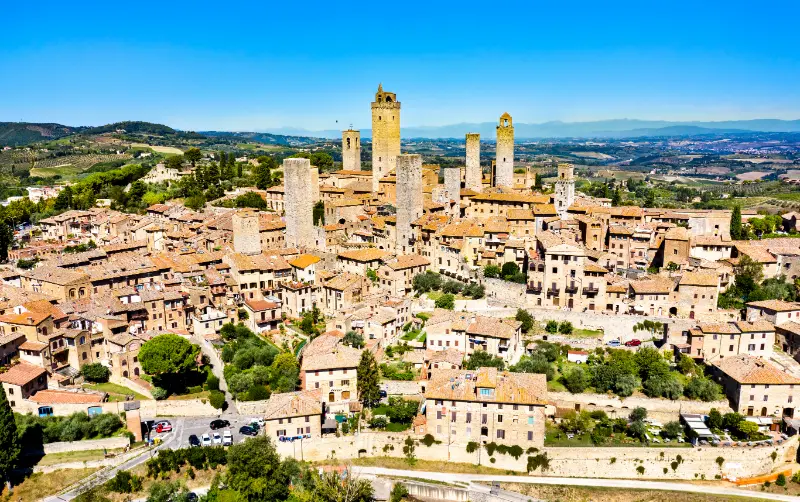
San Gimignano is famous for medieval towers, but its most distinctive local wine is white. Vernaccia di San Gimignano DOCG is not a generic Tuscan white and it is not the same thing as wines called Vernaccia in other regions. Its grapes must come from hilly vineyards in the municipality of San Gimignano, and the production rules centre on the local Vernaccia di San Gimignano variety. A proper visit should therefore include at least one tasting that compares styles, not just a glass after lunch in the main square.
Fact-check note: denomination rules, producer visits and practical information in this article were checked against primary or official tourism sources in September 2026. Where a price or opening time is mentioned, treat it as a dated reference rather than a permanent tariff.
Quick facts that matter
| DOC first recognised | 1966 |
|---|---|
| DOCG | Since 1993 |
| Grape base | Vernaccia di San Gimignano; other permitted non-aromatic whites max 15% |
| Production area | Hilly vineyards within San Gimignano municipality |
What the DOCG rules say
The current production specification requires Vernaccia di San Gimignano as the core grape. Up to 15% of other non-aromatic white varieties authorised in Tuscany may be used, with several aromatic varieties explicitly excluded. Sauvignon and Riesling together are capped at 10%. The grapes must come from hilly land within the municipality of San Gimignano.
The denomination was approved as DOC in 1966 and became DOCG in 1993. That history is meaningful because it places Vernaccia among the earliest legally protected Italian wine denominations. Do not turn that into the vague claim that every bottle is “ancient”; instead, use the regulation and producer style to understand what is in the glass.
Many producers make both a fresh current-vintage Vernaccia and a more structured Riserva. The Riserva category is designed for longer maturation and can show why Vernaccia is more age-worthy than its simple summer-white stereotype suggests. When possible, compare the two side by side.
The best first stop: the consortium Wine Experience
If you have only one tasting slot inside the walls, the Vernaccia di San Gimignano Wine Experience at the Rocca di Montestaffoli is a logical starting point. The Consorzio created it in 2017 as a permanent showcase and educational space for the protected local wines. It is at Via della Rocca 1, in one of the most panoramic parts of town.
The advantage is breadth: rather than representing one estate, the venue is run by the consortium and presents labels from the denomination. That makes it useful for learning the difference between producers before deciding whether to drive to an individual winery. Check the current tasting format and opening times directly before your visit.
A verified estate tasting: Panizzi
Panizzi, at Località Larniano 1 outside the centre, currently lists several clearly structured tastings. The “Essence of Vernaccia di San Gimignano” experience was €35 when checked in September 2026, lasted about 45 minutes and included four interpretations of Vernaccia with local cheeses and bruschetta with estate extra-virgin olive oil. The tasting room listed daily opening from 10:00 to 18:00.
The estate also lists shorter mixed-wine tastings and a single-vineyard format. For a traveller specifically researching Vernaccia, the dedicated four-wine comparison is more informative than a generic red-white-rosé flight. Prices and hours are dynamic; re-check the booking page.
What to notice in the glass
Do not reduce Vernaccia to “crisp and fresh.” Current-vintage wines can show citrus, white fruit, floral notes and a savoury/mineral impression, while Riserva and longer-aged examples may develop greater structure and complexity. Producer choices matter: stainless steel, lees contact, older vintages and skin-contact experiments can all produce very different results.
At Panizzi, for example, the standard Vernaccia is fermented and matured in steel with time on lees; the producer also pours other interpretations in its Vernaccia-focused tasting. That is a good reminder that the DOCG defines origin and production boundaries, not one identical winemaking recipe.
Pairing locally is straightforward: saffron dishes, white meats, fresh and semi-aged cheeses and Tuscan antipasti can work, but the best pairing depends on whether you are drinking a young, taut wine or a fuller Riserva. Ask the tasting host what they serve with each label rather than applying one rule to every bottle.
How to combine wine with the town
San Gimignano is busiest in the middle of the day. One effective plan is to enter early, visit the towers/churches, take a late-morning consortium tasting, have lunch, then drive to an estate in the afternoon. If you are staying overnight, reverse the order on the second day and enjoy the old town after the day-trip crowds leave.
Parking is outside the historic walls. Do not schedule a winery appointment immediately after a tower visit without allowing time to walk back to the car and exit the parking area. A countryside winery may be only a few kilometres away yet still require 20–30 minutes door to door.
If everyone intends to drink, use a guided wine tour or private driver. San Gimignano’s rural roads are beautiful but are not a reason to compromise on safe transport.
Buying Vernaccia intelligently
- Look for the full Vernaccia di San Gimignano DOCG designation, not just the word Vernaccia.
- Ask whether you are tasting current vintage or Riserva.
- Compare at least two producers if you want to understand the denomination.
- Consider one bottle intended for ageing rather than buying only the freshest style.
- Transport bottles away from heat; a car boot in July is a poor cellar.
Useful booking links for this trip
Browse San Gimignano food and wine experiences
Compare stays in San Gimignano
Build this into a Tuscany itinerary
The regulatory and visit details below were checked against official consortium, municipal, tourism-board or producer pages in September 2026. Opening times, prices and bookable experiences can change, so confirm directly before travelling.
Questions worth asking at a Vernaccia tasting
Ask whether the wine is 100% Vernaccia or includes permitted complementary grapes, whether it saw steel, wood or extended lees contact, and whether the producer expects it to age. If Riserva is available, compare it directly with the standard wine from the same producer. Ask about vineyard altitude and soil, because San Gimignano’s ancient marine-origin soils are frequently part of the producer explanation but should be connected to a specific site rather than repeated as a generic slogan.
Before you set out
Check the producer or official consortium page again within 24–48 hours of travel. Rural opening times can change for harvest, private events and seasonal closures. Save the phone number and exact address, and allow extra driving time rather than scheduling tastings back-to-back. If alcohol is part of the experience, decide transport before the first pour, not afterwards. For food allergies or dietary restrictions, contact the producer directly because a tasting described simply as “local products” may include nuts, dairy, gluten, cured meats or other allergens.
Keep receipts and labels for products you want to remember. A photograph of the bottle or cheese label is more reliable than trying to reconstruct the producer name later. When an experience teaches you a regulation — grape percentage, ageing rule, protected mark or production area — compare that information with the official source linked at the end of this guide. That is the easiest way to separate a producer’s house style from the rules that apply to the whole denomination.
How much time to allow
Do not measure this experience only by the tasting duration. Add time for parking, check-in, questions, purchases and the transfer to your next stop. A listed 60-minute tasting can easily occupy 90 minutes door to door, while a farm or cellar tour may run longer during harvest. For a food-focused day, one major morning visit and one afternoon visit is usually more useful than three appointments. It leaves enough time to eat, take notes and understand the landscape connecting the producers.
When choosing between a guided tour and an independent visit, consider transport first. Guided options cost more but remove the driving problem when wine is involved and can connect rural addresses that are awkward by public transport. Independent travel is better for travellers who want to stop at villages and viewpoints, provided one person remains alcohol-free. Either way, reserve the key producer first and build the rest of the day around that fixed appointment.
How this guide was verified
The regulatory facts were taken from the relevant protection consortium or official regional/municipal source rather than copied from commercial travel blogs. Named farms, wineries, markets and restaurants were included only where a current official page confirmed that the place exists and describes the relevant experience or product. Dynamic details such as prices and opening times are presented as a September 2026 snapshot and are deliberately separated from permanent denomination rules.
This distinction matters in food and wine travel. A DOCG grape percentage is a rule until the production specification changes; a €35 tasting price can change tomorrow. A municipal market schedule is stronger evidence for opening patterns than an old review; a producer page is stronger evidence for its current tour than a third-party list. Recheck the dynamic details, but you should not have to second-guess the underlying definitions in this article.