3 Days in Val d’Orcia: Pienza, Montalcino, Montepulciano and the Roads Between
3 Days in Val d’Orcia: Pienza, Montalcino, Montepulciano and the Roads Between is designed as a realistic route rather than a list of places that merely fit on a map.
Three days in Val d’Orcia is long enough to move beyond the famous cypress photographs and understand the valley as a living landscape of towns, farms, vineyards and thermal water. The route below is intentionally compact: Pienza and Monticchiello on day one, Montalcino and Bagno Vignoni on day two, then San Quirico and Montepulciano on day three. Montepulciano lies in Valdichiana Senese rather than inside the UNESCO Val d’Orcia core, but it fits naturally on the eastern side of the trip and is commonly combined with the valley.
Itinerary at a glance
Base yourself in Pienza, San Quirico d’Orcia or the countryside between them. Drive a loop each day rather than changing hotel. The area is rural enough that a car is the most flexible option, but short distances can still become slow because every town requires parking outside the old centre and walking uphill.
Travel times in Tuscany are shaped by hills, traffic, parking and the final walk into historic centres. A route that looks short in kilometres can still fill a morning once you include coffee, a scenic stop and ten minutes finding the right car park. The schedules below deliberately leave margin for those real moments.
Day-by-day Tuscany itinerary
Day 1: Pienza, Monticchiello and the landscape itself
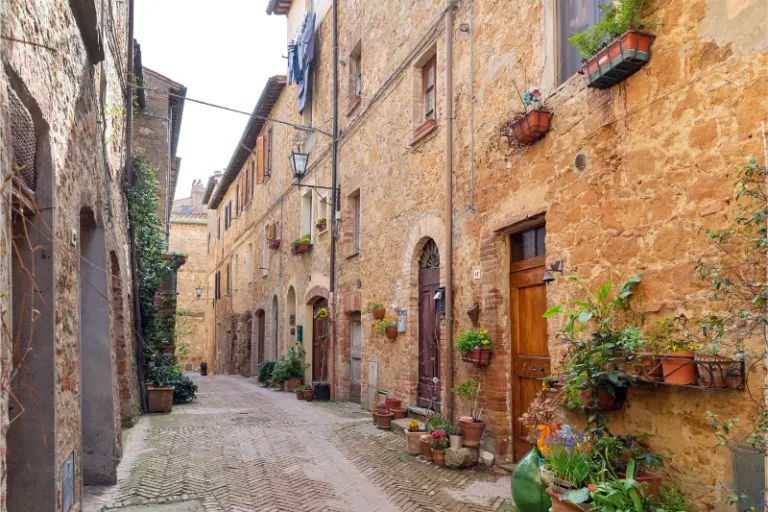
Start in Pienza early. Piazza Pio II and the cathedral are the formal centre, but the viewpoints behind the buildings explain the town’s Renaissance planning better than a list of monuments. Walk the lanes, look out over the Orcia valley and allow time for pecorino shops without turning them into a shopping mission.
In the afternoon drive to Monticchiello, a smaller medieval village set above the same agricultural landscape. The road between Pienza and Monticchiello is one of the area’s most photographed, but use only legitimate stopping places. Finish with a slow drive toward San Quirico or your rural accommodation rather than adding another town.
Day 2: Montalcino and Bagno Vignoni
Drive to Montalcino for the fortress, old streets and broad western views. If wine is part of your trip, book one Brunello estate and allow enough time for the visit. A single cellar appointment plus lunch gives the day a better rhythm than multiple tastings separated by driving.

Later move toward Bagno Vignoni. The large thermal-water basin in the central square makes the village unusual even by Tuscan standards. You cannot bathe in the historic basin, but the thermal landscape continues around the village and there are spa facilities in the area. ADLER Spa Resort THERMAE is a well-known local spa hotel; Visit Tuscany lists it among Bagno Vignoni’s thermal facilities.
Day 3: San Quirico, Montepulciano and an eastern finish
Begin in San Quirico d’Orcia, a compact town that often receives less attention than Pienza despite sitting directly on the historic Via Francigena. The Horti Leonini gardens and old streets make a calm morning. Then drive east toward Montepulciano.
Montepulciano climbs steeply toward Piazza Grande, so park outside the centre and treat the ascent as part of the visit. The Renaissance palaces and terraces give a different urban feel from Pienza. If you are continuing to Rome, this eastern finish positions you well for the next leg; if you return to Florence, leave with enough daylight for the rural roads.
Where to stay
Pienza is the most atmospheric base if you want evening village life and restaurants on foot. La Bandita Townhouse, Corso Il Rossellino 111, is a verified 12-room boutique hotel in the historic centre. San Quirico is slightly more central for driving loops. A rural agriturismo can be more romantic, but confirm dinner options and the condition of the final access road before booking.
When comparing accommodation, look at the route before the room photographs. Check the exact driving or walking time to the next morning’s first stop, whether parking is truly on site or simply “nearby”, and whether you can walk to dinner. In rural Tuscany, a beautiful property can be inconvenient if every meal requires a night drive on unfamiliar lanes. In cities, the opposite can happen: a plain-looking hotel beside a station may save hours across the trip.
Getting around
A car is strongly recommended for this exact itinerary. Public transport exists, but it is not designed to connect scenic stops, rural viewpoints and winery appointments at the pace most visitors expect. If you do not drive, stay in Siena and take a guided Val d’Orcia excursion instead of trying to recreate this loop with local buses.
Before departure, recheck transport and access details on Trenitalia, Autolinee Toscane and the relevant municipal or attraction websites. Timetables, restricted-traffic rules, ferry schedules and seasonal access can change, and a ten-minute check before a travel day is more useful than relying on an old screenshot.
Parking, ZTLs and arrival strategy
Pienza, Montalcino, San Quirico and Montepulciano all reward the same approach: park outside the historic centre and walk. Montepulciano is the steepest challenge; choose your parking area with mobility in mind. Never stop on a blind bend for a cypress photograph, even if other cars are doing it.
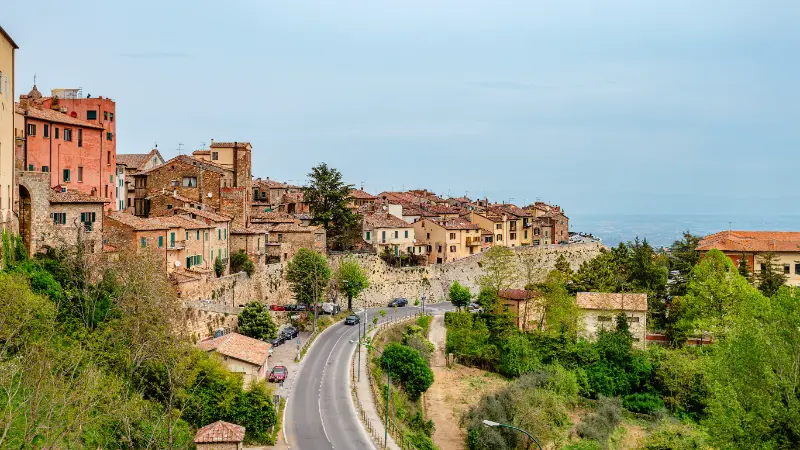
For every historic city or hill town, search for the official parking information before you leave the previous stop, not when you are already at the gate. Save the car park in your navigation app and screenshot the route. This tiny habit prevents the most common arrival problem: following a blue line directly into a restricted street because the hotel address sits inside the old centre.
Food and memorable places to stop
Pecorino belongs naturally to Pienza, Brunello to Montalcino and Vino Nobile to Montepulciano, but the food experience is broader than labels. Look for pici, soups, local meats and seasonal vegetables. Book winery meals or formal tastings in advance. For an easy central option in Pienza, La Bandita Townhouse Caffè is part of the verified hotel at Corso Il Rossellino 111 and publishes current meal hours on its official site.
Restaurant hours and weekly closing days can change by season, so confirm them on the venue’s official site or by phone. A useful rule for itineraries is to reserve dinner only when the restaurant itself is part of the experience. On transfer days, flexibility is often more valuable than a reservation that forces you to leave a town just when you are enjoying it.
Useful booking tools for this trip
Tours & experiences: For guided visits, attraction tickets and bookable experiences in Montepulciano, See tours & tickets
Car rental: If this trip works better with your own wheels, Compare car rental prices before choosing the pickup point.
Best time for this itinerary
Late April through June brings green landscapes and long days; September and October add harvest atmosphere and warmer earth tones. Summer is beautiful but exposed, so start early and use lunch or spa time during the hottest hours. Winter is quiet and can be very romantic, though daylight is short and some rural businesses reduce schedules.
Local events can change hotel prices, parking availability and opening patterns even outside the main tourist season. Siena around the Palio, Florence during major fairs, coastal towns in August and wine areas during harvest all need more advance planning than an ordinary weekday. Check the calendar before fixing non-refundable accommodation.
How to adapt the route
If wine is the priority, spend more time around Montalcino and Montepulciano and remove Monticchiello. If photography is the priority, keep Pienza and San Quirico mornings flexible for light and weather. If thermal bathing matters, add another night around Bagno Vignoni or Saturnia. Our Val d’Orcia travel guide contains more places to extend the route.

Do not be afraid to remove a stop after booking. A good Tuscany itinerary has priorities and optional places. If weather, fatigue or a long lunch changes the day, skip the optional town instead of shortening every remaining visit. The region is unusually rewarding at the edges of the schedule: early streets, late squares, an unexpected viewpoint and an evening walk often become stronger memories than the attraction that was originally highlighted in bold.
What to book before you go
Book the things that can genuinely sell out or create long waits: major Florence museum slots, special restaurants, popular winery tours, high-season ferries with a vehicle, and distinctive countryside accommodation. Leave ordinary lunches, minor churches and most village walks flexible. This gives the itinerary structure without making it brittle.
Where to stay for this trip: Where to Stay in Val d’Orcia: Pienza, Montalcino, San Quirico or the Countryside?. Check prices & availability
Final thoughts
Val d’Orcia needs less driving than many visitors expect and more stopping. Three days are ideal because the famous towns become anchors rather than the whole experience. Pienza’s geometry, Montalcino’s wine hills, Bagno Vignoni’s thermal history and the roads between them create one continuous landscape story.
One last planning check
Before confirming the route, write the actual departure point and overnight address for every day. Then check the first drive or train of the morning and the final arrival after dinner. This exposes awkward plans that a map overview hides. A forty-kilometre transfer can be easy on a fast road or slow when it ends with a ZTL, a steep car park and a luggage walk. Build one buffer of at least an hour into any day with a rental-car return, ferry, airport connection or timed museum. If the buffer is never needed, it becomes coffee, a viewpoint or a longer lunch; if it is needed, it protects the rest of the trip.
Also check what “included” means at each stay. Parking may be free but off site, breakfast may start after your planned departure, and a rural restaurant may operate only on selected nights. Ask directly when a detail affects the itinerary. Tuscany is easy to enjoy when the logistics stay in the background, and most problems can be prevented with a few precise questions before arrival rather than more research once you are there.