3 Days in Chianti: A Road Trip Through Greve, Panzano, Radda and Gaiole
3 Days in Chianti: A Road Trip Through Greve, Panzano, Radda and Gaiole is designed as a realistic route rather than a list of places that merely fit on a map.
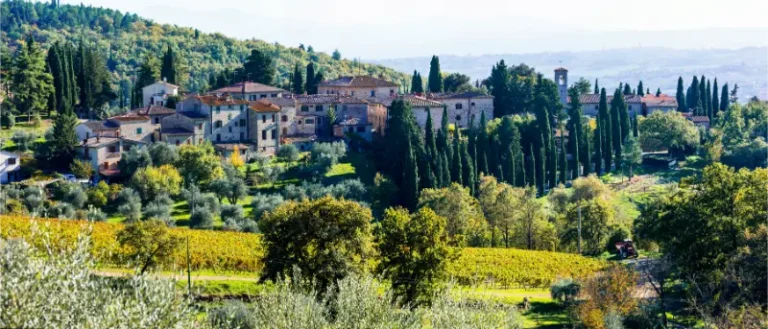
Chianti deserves more than a hurried winery stop between Florence and Siena. With three days, the region becomes a network of villages, castles, parish churches, vineyard roads and meals that can last longer than the drive between towns. This itinerary uses Greve and Panzano on day one, Radda and Castellina on day two, then Gaiole and the eastern Chianti countryside on day three. The distances are modest; the experience is better when you do not try to make them feel even shorter.
Itinerary at a glance
Stay in one place for all three nights, ideally between Greve, Panzano, Radda or Castelnuovo Berardenga depending on your onward route. Use the SR222 Chiantigiana as the main north-south spine, then leave it for smaller roads only when you have a specific village, winery or abbey in mind. Book no more than one serious tasting per day.
Travel times in Tuscany are shaped by hills, traffic, parking and the final walk into historic centres. A route that looks short in kilometres can still fill a morning once you include coffee, a scenic stop and ten minutes finding the right car park. The schedules below deliberately leave margin for those real moments.
Day-by-day Tuscany itinerary
Day 1: Greve, Montefioralle and Panzano
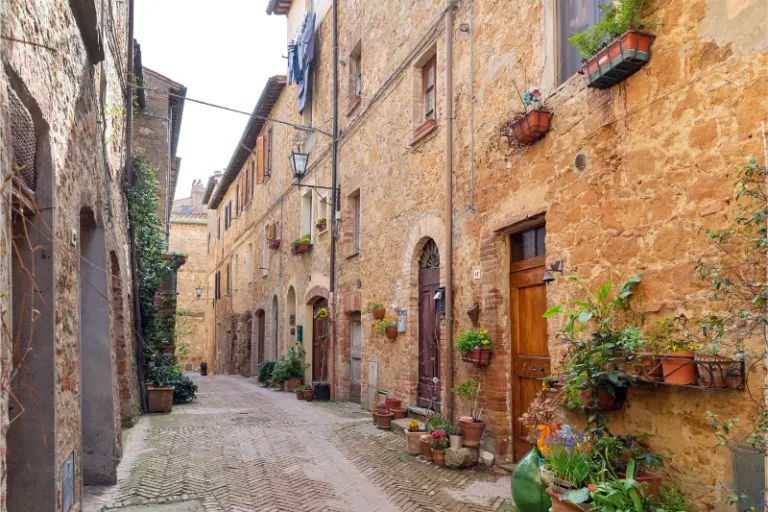
Start in Greve in Chianti, where Piazza Matteotti provides an easy introduction to the region. Browse the arcades and food shops, then drive or walk uphill toward Montefioralle if you want a compact medieval village with stone houses and views. Return toward Panzano for lunch and the afternoon.
Panzano sits high on the ridge and makes an excellent place to slow down. If you want a winery visit, schedule it for late afternoon near the village rather than trying to fit two estates before dinner. Antica Macelleria Falorni in Greve’s Piazza Matteotti is a historic, well-known food stop and is easy to combine with the morning.
Day 2: Radda and Castellina
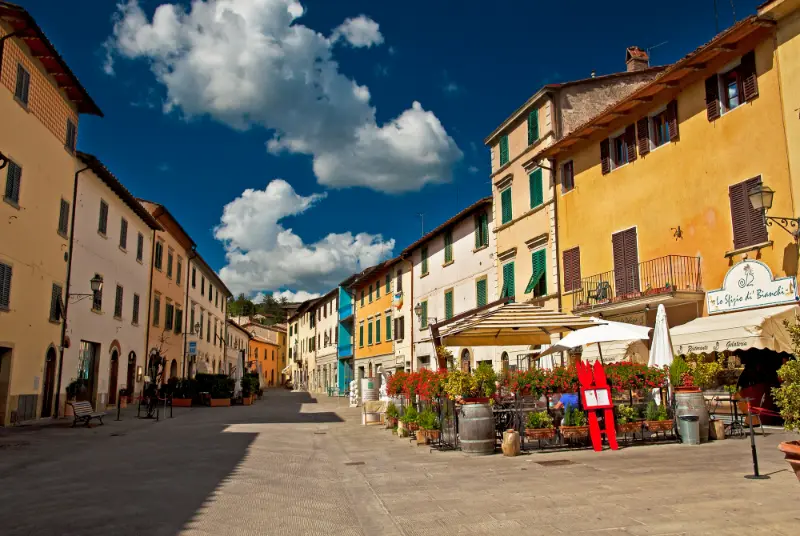
Drive toward Radda in Chianti early and walk the compact centre before continuing through the hills. Radda was historically associated with the League of Chianti and still feels like a natural centre for the region. Spend the late morning there, then move toward Castellina in Chianti for lunch and an afternoon walk.
Castellina’s fortified character and Via delle Volte give you a different architectural mood from Greve. If you want a second-day tasting, choose an estate between Radda and Castellina and leave enough time to return before dark. The rural roads can be narrow and unlit.
Day 3: Gaiole, castles and eastern Chianti
Use the final day around Gaiole in Chianti and Castelnuovo Berardenga. The landscape here is associated with castles and historic estates as much as village squares. Choose one major site or winery—Brolio is the obvious name for many travellers—and combine it with a small village or abbey rather than another long list.
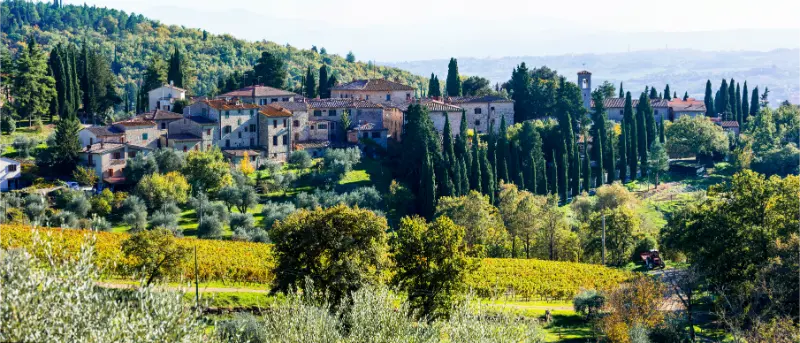
If your trip continues to Siena, finish near Castelnuovo Berardenga and drive into Siena late afternoon. If you return to Florence, reverse the final day so you end farther north. This simple directional choice can save an hour of pointless backtracking.
Where to stay
Greve is convenient for travellers who want restaurants and a clear connection to Florence. Radda feels more immersed in classic hill country. A countryside hotel offers quieter evenings but often requires driving to dinner. Borgo San Felice, in the Castelnuovo Berardenga area, is a verified historic resort and winery option if you want a high-end stay that is itself part of the Chianti experience.
When comparing accommodation, look at the route before the room photographs. Check the exact driving or walking time to the next morning’s first stop, whether parking is truly on site or simply “nearby”, and whether you can walk to dinner. In rural Tuscany, a beautiful property can be inconvenient if every meal requires a night drive on unfamiliar lanes. In cities, the opposite can happen: a plain-looking hotel beside a station may save hours across the trip.
Getting around
A car is the easiest way to follow this route. The official Tuscany tourism portal identifies the SR222 Chiantigiana as a classic route between Florence and Siena through Chianti. Fuel is easy to find in larger towns, but do not wait until a remote side road to think about it. If no one wants to drive, book a private driver or small-group wine tour from Florence or Siena.
Before departure, recheck transport and access details on Trenitalia, Autolinee Toscane and the relevant municipal or attraction websites. Timetables, restricted-traffic rules, ferry schedules and seasonal access can change, and a ten-minute check before a travel day is more useful than relying on an old screenshot.
Parking, ZTLs and arrival strategy
Village parking is generally less stressful than in Florence or Siena, but old centres still have limited access and small spaces. Use signed public car parks and walk. At wineries, follow the estate’s arrival directions rather than a generic map pin; entrances can be on different sides of large properties.
For every historic city or hill town, search for the official parking information before you leave the previous stop, not when you are already at the gate. Save the car park in your navigation app and screenshot the route. This tiny habit prevents the most common arrival problem: following a blue line directly into a restricted street because the hotel address sits inside the old centre.
Food and memorable places to stop
Chianti food is best experienced as part of the day, not as a separate attraction. Build around one long lunch, local salumi, pecorino, ribollita or grilled meats depending on season and appetite. If you taste wine, eat. If the driver is tasting, keep pours small or use arranged transport. The most elegant wine itinerary is the one that never makes safety a question.
Restaurant hours and weekly closing days can change by season, so confirm them on the venue’s official site or by phone. A useful rule for itineraries is to reserve dinner only when the restaurant itself is part of the experience. On transfer days, flexibility is often more valuable than a reservation that forces you to leave a town just when you are enjoying it.
Useful booking tools for this trip
Tours & experiences: For guided visits, attraction tickets and bookable experiences in Chianti, See tours & tickets
Car rental: If this trip works better with your own wheels, Compare car rental prices before choosing the pickup point.
Best time for this itinerary
Late spring is green and bright; September and October bring harvest activity and busier wineries. Summer evenings are beautiful, but midday heat can make village walks feel heavier than the map suggests. Winter is quiet, with fewer vineyard colours but a stronger focus on food, fireplaces and historic interiors.
Local events can change hotel prices, parking availability and opening patterns even outside the main tourist season. Siena around the Palio, Florence during major fairs, coastal towns in August and wine areas during harvest all need more advance planning than an ordinary weekday. Check the calendar before fixing non-refundable accommodation.
How to adapt the route
For a first visit, keep the itinerary exactly at three main village clusters. Wine experts may prefer fewer towns and longer estate visits. Families can replace one tasting with a castle, short walk or picnic. Cyclists should not assume the driving route translates directly to an easy bike route; Chianti’s rolling terrain is demanding. See our Chianti guide for more options.

Do not be afraid to remove a stop after booking. A good Tuscany itinerary has priorities and optional places. If weather, fatigue or a long lunch changes the day, skip the optional town instead of shortening every remaining visit. The region is unusually rewarding at the edges of the schedule: early streets, late squares, an unexpected viewpoint and an evening walk often become stronger memories than the attraction that was originally highlighted in bold.
What to book before you go
Book the things that can genuinely sell out or create long waits: major Florence museum slots, special restaurants, popular winery tours, high-season ferries with a vehicle, and distinctive countryside accommodation. Leave ordinary lunches, minor churches and most village walks flexible. This gives the itinerary structure without making it brittle.
Where to stay for this trip: Where to Stay in Chianti: Best Villages, Wine Estates and Country Hotels. Check prices & availability
Final thoughts
Three days turns Chianti from a postcard backdrop into a destination. Greve feels different from Radda, Castellina from Gaiole, and the quiet roads between them carry as much identity as the famous wine. The best itinerary leaves empty time around lunch, one tasting and a few villages; that is when the region stops feeling staged and starts feeling lived in.
One last planning check
Before confirming the route, write the actual departure point and overnight address for every day. Then check the first drive or train of the morning and the final arrival after dinner. This exposes awkward plans that a map overview hides. A forty-kilometre transfer can be easy on a fast road or slow when it ends with a ZTL, a steep car park and a luggage walk. Build one buffer of at least an hour into any day with a rental-car return, ferry, airport connection or timed museum. If the buffer is never needed, it becomes coffee, a viewpoint or a longer lunch; if it is needed, it protects the rest of the trip.
Also check what “included” means at each stay. Parking may be free but off site, breakfast may start after your planned departure, and a rural restaurant may operate only on selected nights. Ask directly when a detail affects the itinerary. Tuscany is easy to enjoy when the logistics stay in the background, and most problems can be prevented with a few precise questions before arrival rather than more research once you are there.