Tuscany Road Trip: A 7-Day Driving Route Through Cities, Wine Country and Hill Towns
Tuscany Road Trip: A 7-Day Driving Route Through Cities, Wine Country and Hill Towns is designed as a realistic route rather than a list of places that merely fit on a map.
A Tuscany road trip should use the car to reach places that trains cannot serve well, not drag the car through every historic centre in the region. This seven-day route begins with Florence on foot, then turns the rental car into a tool for Chianti, Siena, Val d’Orcia and Maremma before finishing in the west around Lucca and Pisa. It is active, but every transfer follows a logical direction rather than bouncing between bases.
Itinerary at a glance
Arrive in Florence and do not collect the car until day two. Drive south through Chianti, continue to Siena and Val d’Orcia, loop through Maremma, then head northwest to Lucca and Pisa. Return the car in Pisa if that matches your flight, or continue to Florence via motorway after the final visit.
Travel times in Tuscany are shaped by hills, traffic, parking and the final walk into historic centres. A route that looks short in kilometres can still fill a morning once you include coffee, a scenic stop and ten minutes finding the right car park. The schedules below deliberately leave margin for those real moments.
Day-by-day Tuscany itinerary
Day 1: Florence without the car
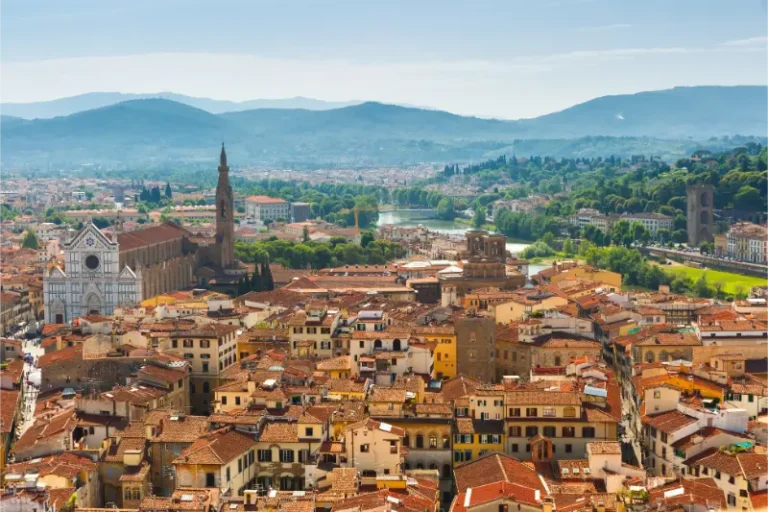
Use Florence as the road trip’s cultural opening. Walk the Duomo–Signoria–Arno axis, enter one major museum and spend the evening in Oltrarno. Paying for a rental car and garage while you explore pedestrian streets makes little sense. If you arrive at the airport, take the tram or transfer into town and collect the vehicle tomorrow.
This also gives you a full night’s rest before rural driving. Italian roads are easier to enjoy when jet lag is not part of the navigation system.
Day 2: Florence to Chianti
Collect the car, leave the city carefully and use the SR222 as the scenic spine toward Greve, Panzano and Castellina. Visit Montefioralle if you want a tiny stone village, and book one tasting if wine matters. Do not turn every estate sign into an unscheduled stop; many wineries require appointments and tasting plus driving needs restraint.
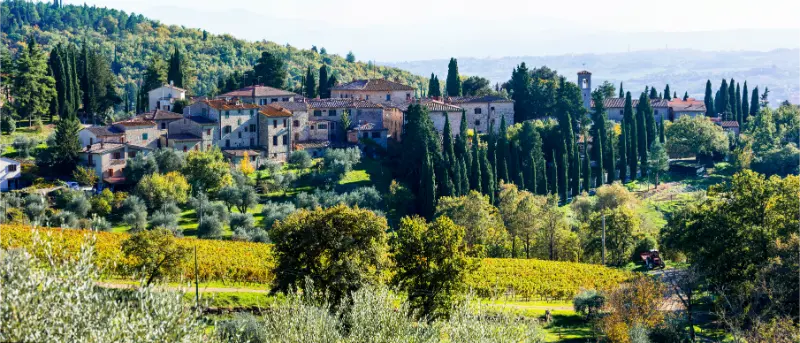
Sleep in Chianti or near Siena. The official tourism portal presents the Chiantigiana as a classic route through vineyard country, and the reason becomes obvious once the road begins to roll between villages.
Day 3: Siena to Val d’Orcia
Spend the first half of the day in Siena. Park outside the ZTL and walk to Piazza del Campo and the Duomo. After lunch, leave south toward San Quirico d’Orcia or Pienza. This transfer is short enough to preserve the afternoon but visually dramatic enough to feel like a new chapter.

Stop at viewpoints only where parking is clearly safe. Cypress roads are beautiful, but local traffic and agricultural access continue whether you are photographing them or not.
Day 4: Val d’Orcia loop
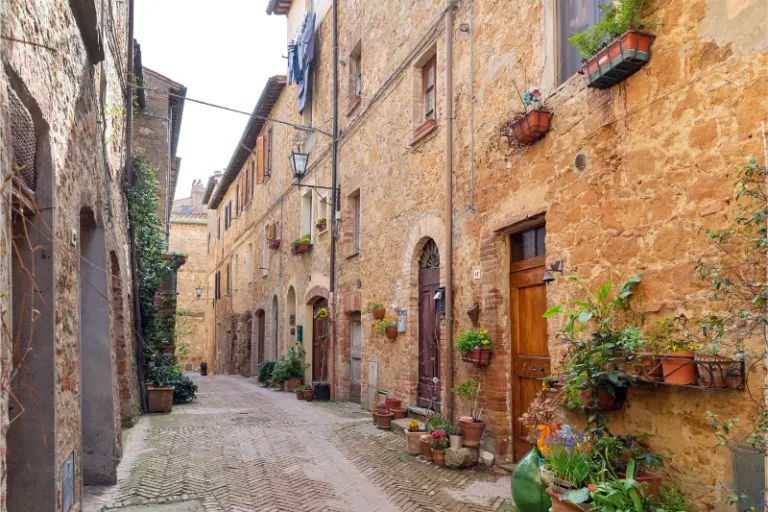
Make a loop around Pienza, Monticchiello, Bagno Vignoni and Montalcino, choosing three as real stops. The valleys look compact on a map, but parking, walking and lunch expand the day. A winery appointment near Montalcino or a thermal break near Bagno Vignoni can become the day’s single timed activity.
If you want Montepulciano, swap it for Montalcino rather than adding it. The strongest road trip days still contain empty road between destinations.
Day 5: Val d’Orcia to Maremma
Drive southwest toward the tufa towns. Pitigliano is the visual headline, while Sovana and Sorano deepen the story. A short Vie Cave walk reveals the Etruscan landscape in a way that another hilltop photograph cannot. Continue toward Saturnia if you want an evening spa or countryside stay.
The roads here feel more remote than central Tuscany. Fuel up before long rural loops and do not assume every small village has late-opening services.
Day 6: Maremma to Lucca
This is the longest repositioning day. Choose one coastal stop—Castiglione della Pescaia, the Etruscan Coast or Livorno—then continue north. Do not try to add all three. Reach Lucca before evening and walk the walls, which provide an easy recovery after several days of driving.
If the transfer feels too long for your travel style, spend this night near the coast and drop Lucca; road trips should be adjusted to the driver’s energy, not defended as a fixed plan.
Day 7: Lucca and Pisa
Explore Lucca in the morning, then drive or take the train to Pisa after returning the car. Piazza dei Miracoli, the river and central streets fit naturally into a final day. If your flight is from Pisa, finish there. If you depart Florence, allow a generous buffer for traffic and rental return.
This western finish avoids driving back into Florence’s centre and gives the route a clear endpoint.
Where to stay
For a driving trip, parking quality matters almost as much as room design. Choose accommodation with explicit arrival instructions in Siena and hill towns. In the countryside, confirm whether the final access road is paved or gravel and whether dinner is available nearby. Hotel Athena in Siena is useful as an example because it publishes clear driving instructions and sits near Porta San Marco.
When comparing accommodation, look at the route before the room photographs. Check the exact driving or walking time to the next morning’s first stop, whether parking is truly on site or simply “nearby”, and whether you can walk to dinner. In rural Tuscany, a beautiful property can be inconvenient if every meal requires a night drive on unfamiliar lanes. In cities, the opposite can happen: a plain-looking hotel beside a station may save hours across the trip.
Getting around
Rent the smallest car that comfortably holds your passengers and luggage. Narrow village streets and parking spaces make oversized vehicles a burden. Automatic transmissions can cost more and availability varies, so reserve early if you require one. Photograph the car at collection and know whether your fuel policy is full-to-full.
Before departure, recheck transport and access details on Trenitalia, Autolinee Toscane and the relevant municipal or attraction websites. Timetables, restricted-traffic rules, ferry schedules and seasonal access can change, and a ten-minute check before a travel day is more useful than relying on an old screenshot.
Useful booking tools for this trip
Tours & experiences: For guided visits, attraction tickets and bookable experiences in Tuscany, See tours & tickets
Car rental: If this trip works better with your own wheels, Compare car rental prices before choosing the pickup point.
Parking, ZTLs and arrival strategy
ZTL cameras are the road trip’s most avoidable expense. Florence, Siena, Pisa, Lucca and many smaller historic centres restrict traffic. A navigation app may still route through a controlled gate. Follow road signs first, then the phone. Read our Tuscany ZTL guide and parking in Tuscany before departure.
For every historic city or hill town, search for the official parking information before you leave the previous stop, not when you are already at the gate. Save the car park in your navigation app and screenshot the route. This tiny habit prevents the most common arrival problem: following a blue line directly into a restricted street because the hotel address sits inside the old centre.
Food and memorable places to stop
A driving route benefits from lunches as anchors. Book one winery lunch in Chianti, a trattoria dinner in Siena and one slow meal in Val d’Orcia. The driver should approach tastings conservatively; if wine is central to the day, hire a driver or stay at the estate. The freedom of a road trip disappears quickly if you have to worry about alcohol and the next transfer.
Restaurant hours and weekly closing days can change by season, so confirm them on the venue’s official site or by phone. A useful rule for itineraries is to reserve dinner only when the restaurant itself is part of the experience. On transfer days, flexibility is often more valuable than a reservation that forces you to leave a town just when you are enjoying it.
Best time for this itinerary
Road trips are especially pleasant in April–June and September–October. Summer offers long evenings but parking pressure and heat can make midday hill-town stops tiring. Winter roads are quieter, but daylight is shorter and some rural businesses reduce hours. Check weather if your route reaches higher areas around Monte Amiata.
Local events can change hotel prices, parking availability and opening patterns even outside the main tourist season. Siena around the Palio, Florence during major fairs, coastal towns in August and wine areas during harvest all need more advance planning than an ordinary weekday. Check the calendar before fixing non-refundable accommodation.
How to adapt the route
If you dislike long drives, remove Maremma and spend day six in San Gimignano/Volterra before Lucca. If beaches are important, skip Pisa’s second half and sleep on the Etruscan Coast. If you fly into Pisa, reverse the whole route and end in Florence. A good road trip is a directional framework, not a sacred order.
Do not be afraid to remove a stop after booking. A good Tuscany itinerary has priorities and optional places. If weather, fatigue or a long lunch changes the day, skip the optional town instead of shortening every remaining visit. The region is unusually rewarding at the edges of the schedule: early streets, late squares, an unexpected viewpoint and an evening walk often become stronger memories than the attraction that was originally highlighted in bold.
What to book before you go
Book the things that can genuinely sell out or create long waits: major Florence museum slots, special restaurants, popular winery tours, high-season ferries with a vehicle, and distinctive countryside accommodation. Leave ordinary lunches, minor churches and most village walks flexible. This gives the itinerary structure without making it brittle.

Where to stay for this trip: Where to Stay in Tuscany: The Best Areas for Every Kind of Trip; Where to Stay in Chianti: Best Villages, Wine Estates and Country Hotels; Where to Stay in Val d’Orcia: Pienza, Montalcino, San Quirico or the Countryside?. Check prices & availability
Final thoughts
The car is at its best in Tuscany when it disappears from your mind between drives. Park it, walk the towns, then use it to cross the spaces where trains cannot take you: vineyard ridges, thermal villages, tufa valleys and rural roads. Build the route around those strengths and seven days on the road feels liberating rather than exhausting.