
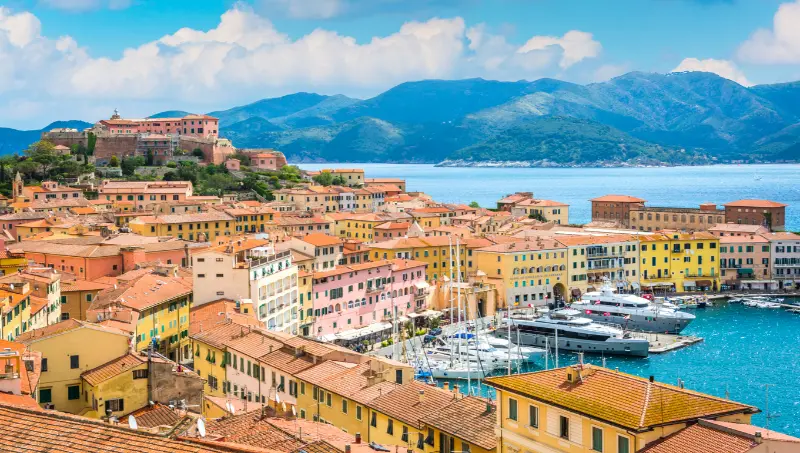
Tuscany Coast and Elba: A 7-Day Itinerary from the Etruscan Coast to Island Beaches
Tuscany Coast and Elba: A 7-Day Itinerary from the Etruscan Coast to Island Beaches is designed as a realistic route rather than a list of places that merely fit on a map.
Tuscany’s coast is easy to underestimate if your mental image of the region is vineyards and Renaissance cities. A seven-day coastal route changes that completely: canals and seafood in Livorno, archaeological landscapes near Baratti and Populonia, the ferry port of Piombino, several days on Elba and a final taste of Maremma. The itinerary works best by car on the mainland and with the same car on Elba if you want to reach beaches beyond the main towns.
Itinerary at a glance
Start in Livorno or Pisa, move south along the Etruscan Coast, cross from Piombino to Elba for three nights, then return to the mainland and finish in northern Maremma or near your departure airport. Ferries from Piombino serve Portoferraio and other Elba ports; official Tuscany tourism information notes that crossing times vary by destination and operator, so check the live schedule for your dates.
Travel times in Tuscany are shaped by hills, traffic, parking and the final walk into historic centres. A route that looks short in kilometres can still fill a morning once you include coffee, a scenic stop and ten minutes finding the right car park. The schedules below deliberately leave margin for those real moments.
Day-by-day Tuscany itinerary
Day 1: Livorno and the start of the coast
Begin in Livorno rather than racing past it. Walk the canals of Venezia Nuova, see the waterfront around Terrazza Mascagni and eat something that reflects the city’s maritime identity. Livorno is not a polished Renaissance stage; its port history, mercantile culture and seafood make it valuable precisely because it feels different from inland Tuscany.
Sleep in Livorno or continue a short distance south if you want a quieter coastal base. Our Livorno guide explains the city in more detail.
Day 2: Etruscan Coast, Bolgheri and Baratti
Drive south through the Etruscan Coast. You can combine the cypress avenue and village of Bolgheri with the Gulf of Baratti, but avoid adding every beach town. Baratti and nearby Populonia connect sea views with Etruscan history, which gives the day more depth than a simple beach stop.
Sleep near Piombino so tomorrow’s ferry is easy. If travelling in high season with a car, pre-book the ferry rather than assuming vehicle space will be available at your preferred time.
Day 3: Ferry to Elba and Portoferraio
Take the ferry from Piombino to Elba. Portoferraio is the main arrival point for many services and deserves several hours before you drive away. Walk the Medici fortifications and the old streets, then learn about Napoleon’s period of exile if the museum residences interest you.
The official tourism portal notes that Piombino–Portoferraio crossings are typically around an hour on conventional services, with other Elba ports having different times. Treat the ferry schedule as the day’s anchor and keep the rest flexible.
Day 4: Western Elba
Use the western side for beaches and mountain scenery. Marciana Marina, Marciana and the roads around Monte Capanne give a greener, more dramatic character than the port. Choose one or two beaches according to wind and sea conditions rather than driving to five coves just because they are marked on a map.

If hiking or the cableway interests you, check current operations before setting out. Island weather and seasonal schedules matter more than on a city day.
Day 5: Eastern and southern Elba
Explore Capoliveri, Porto Azzurro or the eastern mining landscape. Capoliveri’s old centre works well in the late afternoon when beach time is over, while the former mining areas reveal a side of Elba that has nothing to do with resorts. Again, choose a theme for the day instead of circling the entire island.
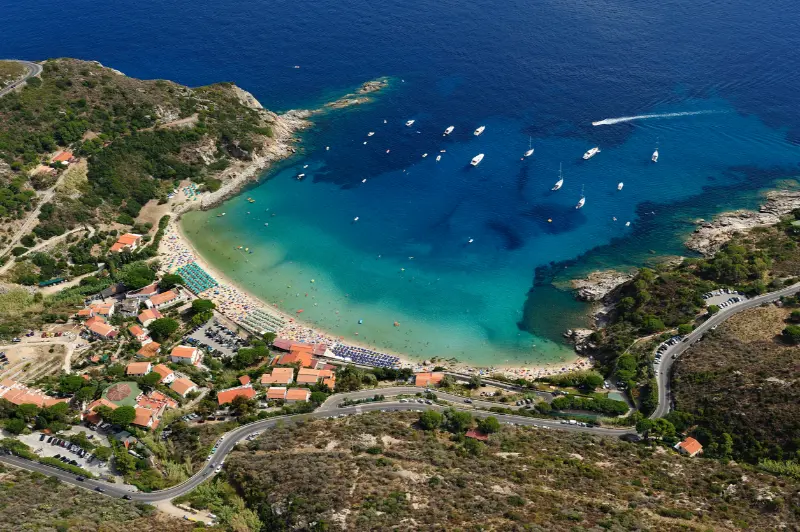
For a special coastal stay, Hotel Hermitage is a verified five-star property by Biodola near Portoferraio, with beach, pools and resort facilities. Its official site places it roughly eight kilometres from the ferry terminal, useful for travellers who want easy arrival plus sea access.
Day 6: Return to the mainland and Maremma coast
Take a morning or early-afternoon ferry back to Piombino and drive south toward Castiglione della Pescaia or the Maremma coast. This gives the trip one final mainland contrast: pine-backed beaches, wetlands and a historic hill town rather than island coves.
Do not book a tight mainland activity immediately after the ferry. Wind and operational changes can affect sea schedules; a buffer makes the day resilient.
Day 7: Maremma morning and departure
Use the morning for the coast, a short nature outing or Grosseto depending on where you fly from. If your departure is from Pisa, begin the northbound drive with generous time. If you continue to Rome, the southern finish works even better because you avoid backtracking through central Tuscany.
If you have an eighth day, add it to Elba rather than to the mainland. Three nights is the minimum at which ferry logistics begin to feel proportionate to the island experience.
Where to stay
A sensible pattern is one night around Livorno/Etruscan Coast, one near Piombino, three on Elba and one or two in Maremma. On Elba, Portoferraio is practical for ferry access, while Marina di Campo, Capoliveri and other areas suit different beach styles. Read our Elba Island guide before choosing a base.
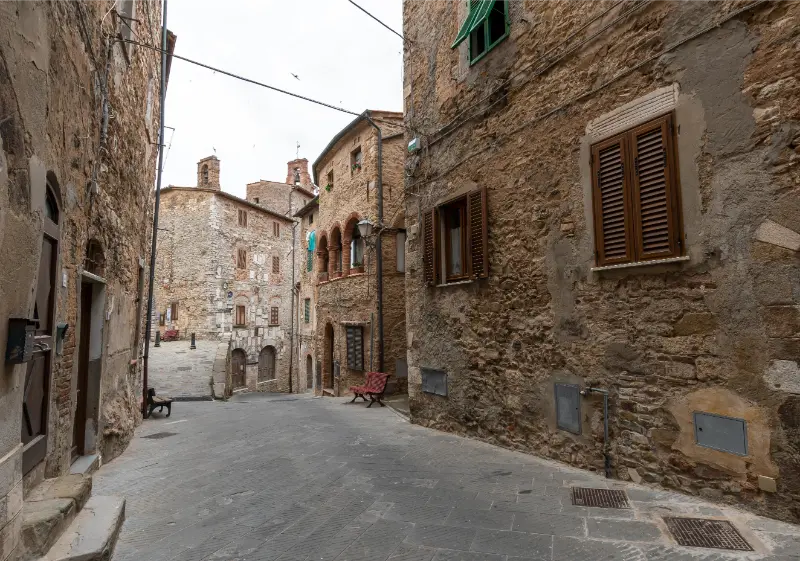
When comparing accommodation, look at the route before the room photographs. Check the exact driving or walking time to the next morning’s first stop, whether parking is truly on site or simply “nearby”, and whether you can walk to dinner. In rural Tuscany, a beautiful property can be inconvenient if every meal requires a night drive on unfamiliar lanes. In cities, the opposite can happen: a plain-looking hotel beside a station may save hours across the trip.
Getting around
A car makes the mainland coast and Elba dramatically easier, but reserve a vehicle space on the ferry in busy periods. If you do not want to take the car across, you can rent or use buses/taxis on the island, though beach flexibility drops. The official Visit Tuscany page on reaching Elba lists ferry operators and notes different crossing times to Portoferraio, Cavo and Rio Marina.
Before departure, recheck transport and access details on Trenitalia, Autolinee Toscane and the relevant municipal or attraction websites. Timetables, restricted-traffic rules, ferry schedules and seasonal access can change, and a ten-minute check before a travel day is more useful than relying on an old screenshot.
Useful booking tools for this trip
Tours & experiences: For guided visits, attraction tickets and bookable experiences in Tuscany, See tours & tickets
Car rental: If this trip works better with your own wheels, Compare car rental prices before choosing the pickup point.
Ferries: For Elba crossings, Check ferry times & prices
Parking, ZTLs and arrival strategy
Coastal parking rules are highly seasonal. Beach car parks that are simple in May can be full or regulated in August. Arrive earlier, respect marked spaces and never assume a roadside gap is legal. Portoferraio and Capoliveri also have historic areas where walking from a car park is easier than trying to drive to the final address.
For every historic city or hill town, search for the official parking information before you leave the previous stop, not when you are already at the gate. Save the car park in your navigation app and screenshot the route. This tiny habit prevents the most common arrival problem: following a blue line directly into a restricted street because the hotel address sits inside the old centre.
Food and memorable places to stop
This itinerary shifts the food emphasis toward the sea. Livorno’s cacciucco tradition, coastal fish, Elba wines and island sweets create a different Tuscany from Chianti. On Elba, let the day’s beach location guide lunch rather than crossing the island for a famous restaurant. Reserve only special dinners and keep ferry days flexible.
Restaurant hours and weekly closing days can change by season, so confirm them on the venue’s official site or by phone. A useful rule for itineraries is to reserve dinner only when the restaurant itself is part of the experience. On transfer days, flexibility is often more valuable than a reservation that forces you to leave a town just when you are enjoying it.
Best time for this itinerary
Late May, June and September are particularly attractive because the sea is part of the trip without August’s peak pressure. July is lively and warm. August requires more advance booking for ferries, accommodation and popular beaches. April and October can be beautiful for hiking and towns, but swimming conditions and seasonal services are less predictable.
Local events can change hotel prices, parking availability and opening patterns even outside the main tourist season. Siena around the Palio, Florence during major fairs, coastal towns in August and wine areas during harvest all need more advance planning than an ordinary weekday. Check the calendar before fixing non-refundable accommodation.
How to adapt the route
If archaeology matters, add more time around Populonia and Baratti. If beaches are the priority, skip Livorno’s full day and add a fourth Elba night. If travelling with children, choose fewer beach moves and a base with easy water access. If you are combining this with a longer Tuscany trip, the coast works naturally after Pisa/Lucca or after Maremma—not as a one-day detour from Florence.
Do not be afraid to remove a stop after booking. A good Tuscany itinerary has priorities and optional places. If weather, fatigue or a long lunch changes the day, skip the optional town instead of shortening every remaining visit. The region is unusually rewarding at the edges of the schedule: early streets, late squares, an unexpected viewpoint and an evening walk often become stronger memories than the attraction that was originally highlighted in bold.
What to book before you go
Book the things that can genuinely sell out or create long waits: major Florence museum slots, special restaurants, popular winery tours, high-season ferries with a vehicle, and distinctive countryside accommodation. Leave ordinary lunches, minor churches and most village walks flexible. This gives the itinerary structure without making it brittle.
Where to stay for this trip: Where to Stay in Maremma: Coast, Countryside, Hot Springs and Wild Tuscany; Where to Stay on Elba Island: Best Towns and Beaches for Your Trip. Check prices & availability
Final thoughts
A week on the coast reveals a Tuscany many first-time itineraries barely touch. Port cities, Etruscan sites, island fortresses, mining landscapes and Mediterranean beaches belong to the region just as surely as vineyards do. Give Elba several nights, protect ferry days with buffers and let the sea determine the rhythm.


