Tuscany with Kids: 10 Family Experiences That Make the Region Easy to Love
Tuscany with Kids: 10 Family Experiences That Make the Region Easy to Love is designed for families who want to enjoy Tuscany without turning every day into a race. Tuscany is often imagined as a grown-up destination of Renaissance art, long lunches and vineyard roads, yet it can be surprisingly easy with children when the trip is paced around curiosity rather than a checklist. Compact historic centres, car-free squares, beaches, parks, towers, boats, farms and hands-on museums give families plenty of ways to break up the art and architecture.
The best family trips here alternate one important sight with something open-air. A museum in the morning can be followed by a park, a wall walk, a gelato stop or a swim. That rhythm matters more than trying to see every famous place. Florence, Lucca and Pisa work well without a car; countryside and beach sections become easier once you have one.
How to plan it well
Family travel in Tuscany works best when the schedule has space. Historic centres can be compact but cobbled, summer afternoons can be hot, and even short drives may include parking, restricted traffic zones and a final walk uphill. Build each day around one or two priorities, then leave enough room for a playground, a long lunch, a gelato stop or a swim. That flexibility is not a compromise; it is what allows both adults and children to experience the region rather than simply move through it.
Before each day, check the official website for any attraction with timed entry, seasonal opening, age restrictions or height limits. For cities, check the local ZTL and parking information rather than following a navigation app into the historic centre. In the countryside, assume that services are more spread out and carry water and a small snack even when lunch is planned.
Best things to do and how to fit them into a family trip
Make Florence feel like a story, not a syllabus
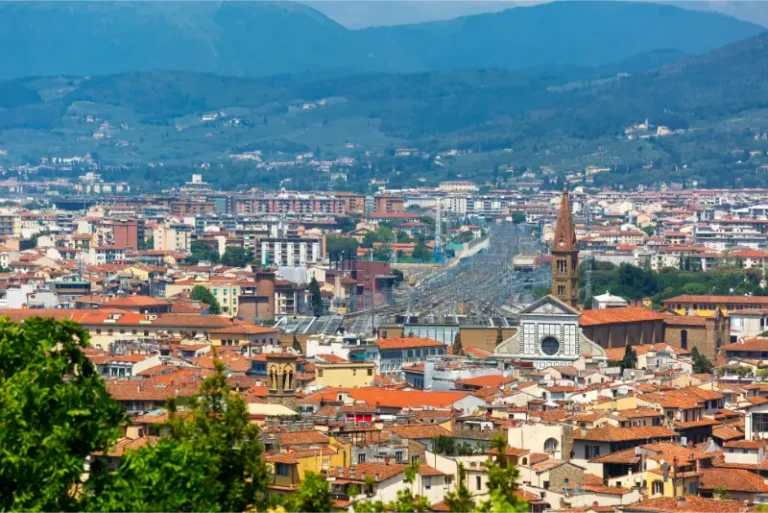
Florence works best with children when you choose one museum and then let the city do the rest. Piazza della Signoria is full of statues that invite questions, the Duomo is dramatic even from outside, and the Arno turns an ordinary walk into a route with bridges and changing views. Palazzo Vecchio and the Uffizi also run family-oriented activities at different times of year.
Book only one timed attraction before lunch. Afterward, walk toward the river or Boboli rather than stacking another museum. A central hotel avoids repeated bus journeys when younger children need a break.
Walk or cycle Lucca’s walls
Lucca’s Renaissance walls are one of Tuscany’s easiest family pleasures because they form a broad green ring around the old city. You can walk, cycle or simply stop under the trees while towers and rooftops appear between branches. Inside the walls, distances are short and traffic is limited, which makes the city much less tiring with a stroller or school-age children.
Rent bicycles only if everyone is confident; family bikes and child seats are widely offered by rental shops near the walls. Early morning and late afternoon are especially pleasant in warm weather.
Turn Pisa into more than a Leaning Tower photo
Pisa gives children an instantly recognisable landmark, but the visit becomes richer when you add the medieval walls, the Botanical Garden or one of the green spaces highlighted by the city’s official family itinerary. The Campo dei Miracoli is open and spacious, so children can move between the cathedral, baptistery and lawn rather than spending the whole morning indoors.
Arrive early before day-trip crowds peak. If you plan to climb the Leaning Tower, check current age and access rules before promising the experience to younger children.
Use Siena’s slopes as part of the adventure
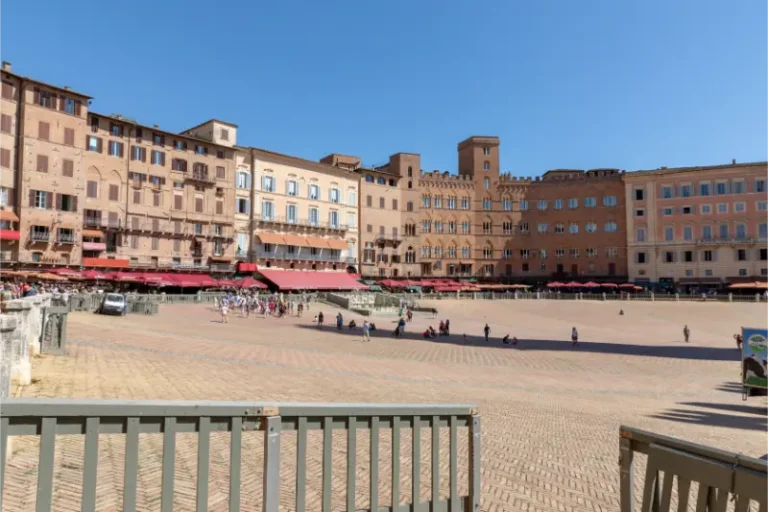
Siena is hilly, but its maze of brick lanes, flags, fountains and contrada symbols gives children a visual game as you walk. Piazza del Campo is the natural centre of the day. From there, the Duomo and the quieter lanes toward the Fortezza can be combined without trying to cover every church and museum.
A stroller with good wheels helps on stone streets, but expect steep sections. Staying near the historic centre reduces the number of uphill returns, and parking outside the restricted zone is much simpler than trying to drive close to the Campo.
Meet Pinocchio in Collodi
Pinocchio Park in Collodi is built around Carlo Collodi’s famous character and is paired with the historic Garzoni Garden and Butterfly House. The official site lists interactive and educational activities, adventure elements and nature-focused experiences, so the stop works particularly well as a change from churches and art museums.

Check the current calendar before driving there because opening days and activities vary through the year. Collodi is easy to combine with Lucca or Montecatini rather than making it a separate overnight stop.
Plan one real theme-park day
CavallinoMatto on the Etruscan Coast is Tuscany’s main amusement park and is designed around a mix of rides and shows for families. Acqua Village operates water parks in Cecina and Follonica, making the coast a useful place to add an intentionally playful day during a longer cultural trip.
Height limits and seasonal opening calendars matter more than age labels, so check the official attraction pages before buying. A park day works best after two or three sightseeing-heavy days, not squeezed between museums.
Spend time on a family beach
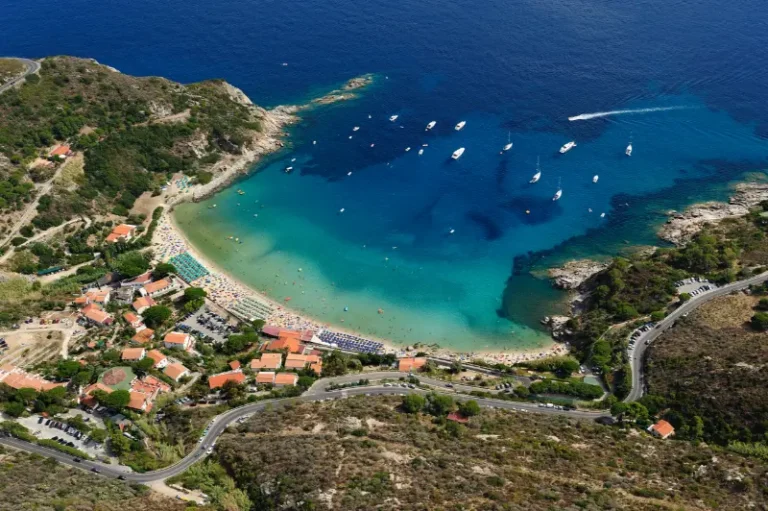
The Tuscan coast ranges from broad sandy beaches to rocky coves. Families often appreciate places with a gentle seabed, simple access and services close to the sand. On Elba, the official tourism site specifically filters beaches that suit families; on the mainland, the Etruscan Coast and parts of Maremma offer many straightforward beach days.
Choose the beach for access and sea conditions, not only photographs. Parking fills quickly in high season, and a beautiful remote cove can be far less relaxing with toddlers, umbrellas and beach bags.
Let nature replace another monument
Tuscany’s official tourism portal highlights nature reserves, archaeological parks and outdoor activities for families. In Maremma, the combination of beach, pine woods and protected landscapes is especially useful. In the mountains, short walks in Casentino or Garfagnana can give children the sense of a completely different Tuscany.
For hiking, pick a route that is shorter than the maximum your children can manage and leave room for stops. In summer, start early; in spring and autumn, check trail and weather conditions before leaving town.
Stay somewhere children can decompress
A family trip becomes easier when the accommodation is part of the plan. A countryside agriturismo with outdoor space can balance city days, while a central hotel can make nap breaks and early dinners simpler. Hotel Santa Maria Novella in Florence, Hotel Athena in Siena, Hotel Ilaria in Lucca and Hotel Hermitage on Elba all advertise family-room options on their official sites.
Do not choose purely on star rating. For families, room layout, lift access, parking, breakfast timing, a refrigerator and walking distance often matter more than formal luxury.
Build in empty time
The most memorable family moments are often not ticketed: chasing pigeons across a piazza, choosing fruit at a market, watching cyclists on Lucca’s walls, finding a tiny fountain or letting a beach afternoon stretch longer than expected. Tuscany rewards that kind of travel because its atmosphere is visible in ordinary streets as much as in major monuments.
Leave at least one half-day unbooked every two or three days. It gives you a safety valve for heat, tiredness, weather or a place everyone unexpectedly wants to enjoy longer.
Useful booking tools for this trip
Tours & experiences: For guided visits, attraction tickets and bookable experiences in Tuscany, See tours & tickets
Car rental: If this trip works better with your own wheels, Compare car rental prices before choosing the pickup point.
Where to stay with children
For a first family trip, two or three bases are usually enough. Florence makes an excellent car-free start, Lucca is one of the calmest city bases, while Siena is useful for the southern countryside. For a sea finish, Elba, Cecina, San Vincenzo, Follonica or Castiglione della Pescaia can all work depending on the style of beach you want.

When comparing accommodation, look beyond the headline price. A family room that genuinely sleeps everyone comfortably, a lift, predictable parking, breakfast on site and a location that lets you walk back for a break can be worth more than an extra star. In rural areas, ask about road access after dark, pool safety, restaurant opening days and whether there is somewhere simple to eat if children are tired.
Eating well without making meals complicated
Eating with children is rarely difficult if you follow local rhythms without being rigid. Pizza, schiacciata, fresh pasta, simple grilled meat, pecorino, fruit and gelato give plenty of familiar options. In cities, booking dinner a little earlier can make evenings smoother. In the countryside, check opening days before driving to a restaurant because kitchens may not operate every day.
Tuscany is a good place to keep family food simple. Bread, focaccia, pasta, pizza, fresh fruit, mild cheeses and grilled dishes are easy to find, while local specialities give older children a chance to try something new without making every meal an experiment. Carrying one familiar snack is still useful on museum days, train journeys and long drives between villages.
Practical family tips
Bring a refillable bottle, hats and a lightweight layer even in summer; churches and air-conditioned museums can feel cooler than streets outside. Historic centres often have ZTL restrictions, so families arriving by car should use official public parking and walk or take local transport from there. Trains are very useful between Florence, Pisa and Lucca, while Siena and rural Tuscany require more planning. If you use a stroller, choose one with sturdy wheels for cobbles and keep a baby carrier as a backup for towers, steep lanes and places without lifts.
For younger children, a sturdy compact stroller and a lightweight carrier make a strong combination. For school-age children, give them a role: let them choose a tower, count contrada symbols, navigate one section of the walls or pick the afternoon gelato stop. For teenagers, build in ownership by letting them choose one beach, activity or meal. The more the trip feels shared, the less it feels like adults dragging children through an itinerary.
Useful official resources and related Tuscany Explorer guides
- Visit Tuscany: Families and children
- Feel Florence: Families and Children
- Pinocchio Park
- CavallinoMatto
- Acqua Village
Where to stay for this trip: Where to Stay in Tuscany: The Best Areas for Every Kind of Trip. Check prices & availability
A final thought
The best family trip through Tuscany is not the one with the most famous places checked off. It is the one where a child remembers a tower, a ferry, a bicycle ride, a strange statue or the taste of a warm piece of focaccia, while the adults still have time to notice the landscape and the art around them. Plan less than you think you can fit, choose bases carefully, and let the region supply the unexpected moments.