Tuscany Without a Car: The Best Bases, Train Routes and Easy Day Trips
Yes, you can explore Tuscany without a car — and for the right itinerary it can be easier than driving. Florence, Pisa, Lucca, Arezzo and several other towns sit naturally on rail corridors. Siena is accessible by train or bus, and famous hill towns such as San Gimignano and Cortona can be reached with a planned local connection. What you should not do is copy a countryside road-trip itinerary and attempt to reproduce every stop by public transport. A successful car-free Tuscany chooses strong bases, takes fewer transfers and uses the network rather than fighting it.
Who should choose a no-car trip?
A car-free itinerary is ideal if your priorities are art cities, food, walking, museums and a few carefully chosen day trips. It is also attractive if nobody in the group enjoys driving, if you are concerned about ZTLs or if you plan to have wine with meals and tastings.
It is less suitable if your dream is an isolated agriturismo, five tiny Val d’Orcia villages in two days, remote hiking trailheads or spontaneous vineyard stops. Those experiences are possible with transfers and tours, but the logistics become more expensive.
The goal is not to prove that Tuscany can be done without a car. It is to build a Tuscany that is genuinely enjoyable without one.
Florence: the strongest first base
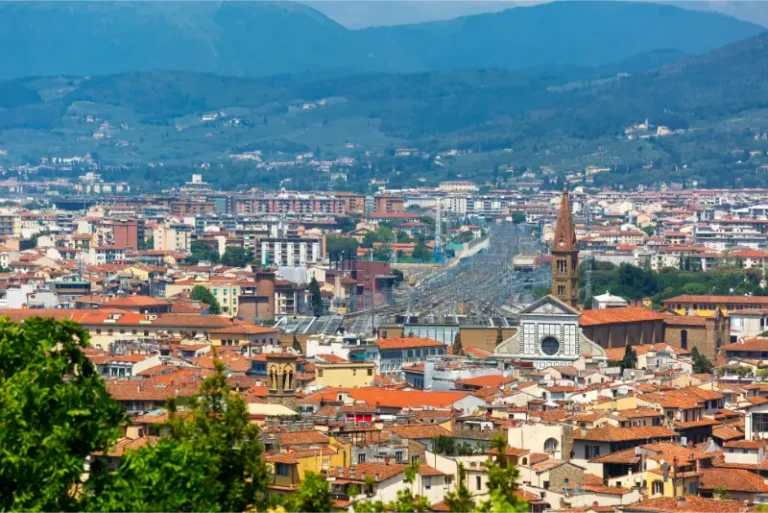
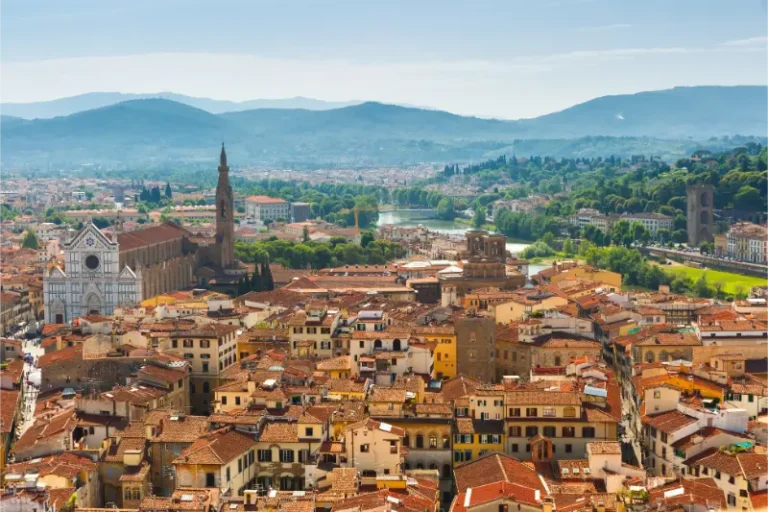
Florence is the obvious starting base because it combines a major high-speed station, extensive regional connections and enough sights for several days. You can arrive from Rome, Milan, Bologna or Venice, explore Florence on foot, then take easy rail day trips.
Pisa, Arezzo, Prato and Pistoia are straightforward train options. Siena can be reached by rail or bus depending on the service that suits your day. Lucca is also accessible, though some travellers prefer to combine it with an overnight rather than turn every destination into a long return trip.
Because central Florence is a ZTL, not having a car is actually an advantage. Read our Florence guide before deciding how long to base yourself there.
Pisa and Lucca: an easy western combination
Pisa’s airport connection and regional station make it an excellent car-free gateway. From Pisa Centrale, Lucca, Florence, Livorno and coastal destinations are accessible by train. The city itself is flat and walkable.
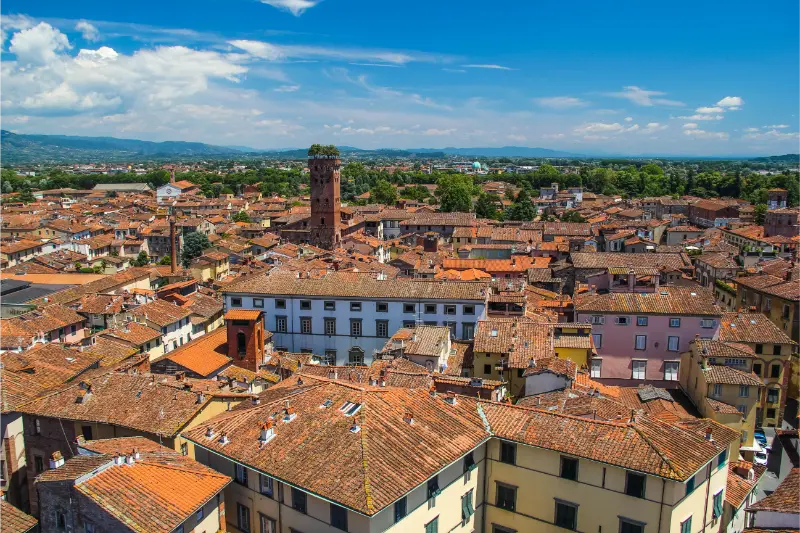
Lucca is even more charming as a no-car stay because the station sits just outside the walls. You can arrive, walk into the centre and spend the evening after day visitors leave. From Lucca, Viareggio provides a simple coastal extension.
A good western itinerary is Pisa for one or two nights, Lucca for two nights and then the coast, rather than changing trains back and forth from Florence every day.
Arezzo: underrated and rail-friendly
Arezzo is one of the best car-free choices for travellers who want a city with fewer international visitors and strong art. The station is close to the centre, and the rail corridor links it with Florence and the eastern side of Tuscany.
It also works as a stepping stone towards Cortona. Cortona’s historic centre is uphill from the railway, so you need a local bus or taxi from Camucia-Cortona or Terontola-Cortona, but the journey is realistic.
Our Arezzo guide and Cortona guide can turn this into a two- or three-night eastern Tuscany section.
Siena without a car
Siena is perfectly enjoyable without a car once you are there. The main complication is that the railway station is below the historic centre, so the final arrival involves local connections and elevation. Buses from Florence may deliver you more conveniently depending on the service.
For a day trip, compare train and bus schedules rather than assuming train is automatically better. For an overnight stay, the exact arrival method matters less because you will have time to settle in.
Siena can also serve as a base for selected bus trips, but rural frequency is lower than the Florence rail network. If you want several countryside days, consider organised tours or a short private-driver day instead of constructing fragile bus chains.
San Gimignano by train and bus
San Gimignano has no railway station, but it is one of the most manageable famous hill towns without a car. A common approach is to travel to Poggibonsi-San Gimignano and continue by bus.
The important part is the return. Check the current timetable on Autolinee Toscane before leaving and save the stop location. Bus frequency can vary by day and season.
If possible, stay overnight. San Gimignano is dramatically different after the largest daytime crowds leave, and an overnight stay removes the anxiety of fitting the town into a narrow bus window.
Montepulciano and Val d’Orcia without driving
Val d’Orcia is the point where a no-car itinerary requires more compromise. Montepulciano can be reached using rail gateways and buses, but linking Pienza, Bagno Vignoni, Montalcino and scenic rural roads in one day is much harder without a vehicle.

Choose one or two towns rather than trying to reproduce a car itinerary. Another excellent option is a small-group tour from Florence or Siena that includes transport. This can be cheaper than renting a car for several days and allows everyone to enjoy wine tastings.
If Val d’Orcia is the main reason for visiting Tuscany, read our Val d’Orcia guide and decide whether two rental-car days might still be worth adding.
The coast and Elba without a car
The Tuscan coast is more train-friendly than the inland countryside. Viareggio, Livorno and several coastal towns sit on rail lines, making it easy to add sea time after Florence, Pisa or Lucca.
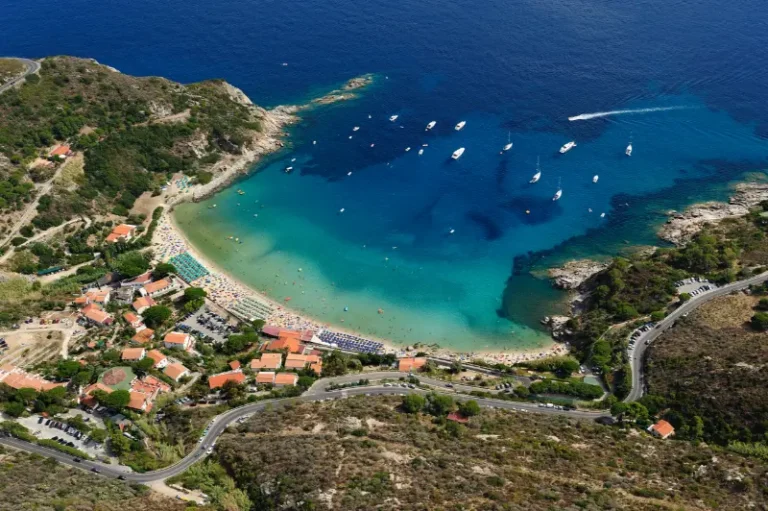
Elba is possible without a car as well. Public transport can get you to Piombino and ferry services continue to the island. Once on Elba, buses serve principal towns and areas, though reaching remote beaches is less flexible than with a car or scooter.
For a mixed culture-and-sea holiday, rail to the coast plus ferry can be one of the most satisfying no-car routes in the region.
Use one strategic taxi instead of renting for a week
Car-free does not have to mean every kilometre must be public transport. A taxi from a station to a countryside hotel, a pre-booked transfer after a late dinner or one day with a private driver can solve the sections where the network is weak.
This is especially sensible for groups. Four people splitting a transfer may find it competitive with multiple tickets plus the inconvenience of waiting.
In rural areas, book ahead. Do not assume taxis wait outside every small station late at night.
Useful booking tools for this trip
Trains & buses: Compare trains & buses when building the transport part of the trip.
A seven-day car-free Tuscany itinerary
One realistic week could look like this:
- Days 1–3: Florence — arrive by train or tram from the airport; spend two full days in the city.
- Day 4: Arezzo or Siena — choose one as a day trip or move for an overnight.
- Days 5–6: Pisa and Lucca — travel west by rail, sleeping in Lucca or Pisa.
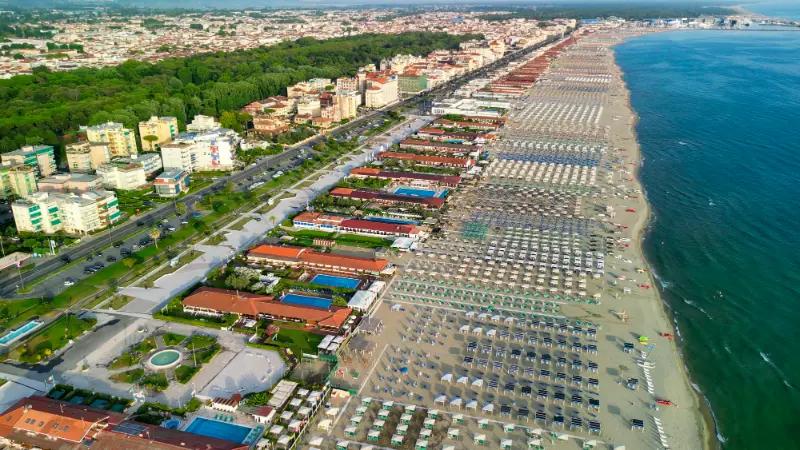
- Day 7: Viareggio or the coast — add the sea before departing from Pisa Airport or returning to Florence.
A second version could use Florence + Siena + San Gimignano, with the hill town reached by bus. A third could combine Florence + Arezzo + Cortona. The best route depends on whether you prefer famous highlights or slower stays.
A ten-day version with more depth
With ten days, resist adding ten bases. Stay three nights in Florence, two in Siena, two in Lucca and two or three in a final coastal or eastern-Tuscany base. Use day trips from those locations instead of packing every morning.

This makes public transport much less tiring. Travel days become short, luggage moves only a few times, and you have evenings in different towns rather than always returning to Florence.
If you want one countryside experience, book a guided wine or Val d’Orcia day in the middle. That single organised day can give you the landscapes public transport misses without changing the whole structure of the trip.
Tickets, apps and planning habits
Use the official Trenitalia website/app for regional trains and the Autolinee Toscane app for buses. Check ticket validation requirements shown by the operator, because digital procedures can change.
Plan the return trip before the outbound journey, especially on Sundays, evenings and rural routes. Screenshot timetables, save stop names and carry a phone power bank.
When two options are similar, choose the one with fewer changes. A forty-minute direct bus can be better than a thirty-five-minute journey that depends on a seven-minute connection.
What you gain by not driving
You avoid ZTL cameras, parking fees, fuel, tolls and the need for one person to stay sober at a wine lunch. You arrive near the centre of many cities and can watch the landscape instead of the road.
You also travel more selectively. Without a car, you are less tempted to collect five villages in a day, which can lead to a more memorable trip.
The trade-off is spontaneity in the countryside. Accept that trade-off and choose rail-friendly destinations; do not spend the holiday resenting buses for not behaving like a rental car.
When you should still rent a car
If your accommodation is an isolated farmhouse, if photography at sunrise in Val d’Orcia is a priority, if you want remote beaches or mountain trailheads, or if your itinerary is built around wineries spread across the countryside, a short rental may be worth it.
A hybrid trip is often ideal: Florence and Pisa by train, three countryside days by car, then Lucca or the coast by rail. You do not need to choose one transport method for the entire holiday.
If you decide to add a rental section, see our renting a car in Tuscany guide
Where to stay for this trip: Where to Stay in Tuscany Without a Car: Best Bases for Trains and Easy Day Trips. Check prices & availability
Final thoughts
Tuscany without a car works beautifully when the itinerary follows the network: Florence as a strong hub, Pisa and Lucca as easy western stops, Arezzo and Cortona in the east, Siena with a sensible bus or rail connection, and selected hill towns reached deliberately rather than in clusters. Add an occasional taxi or tour where it improves the day, and you can experience a rich, varied Tuscany without ever thinking about a parking space.