
Best Things to Do in Tuscany: 12 Experiences That Show the Region at Its Best
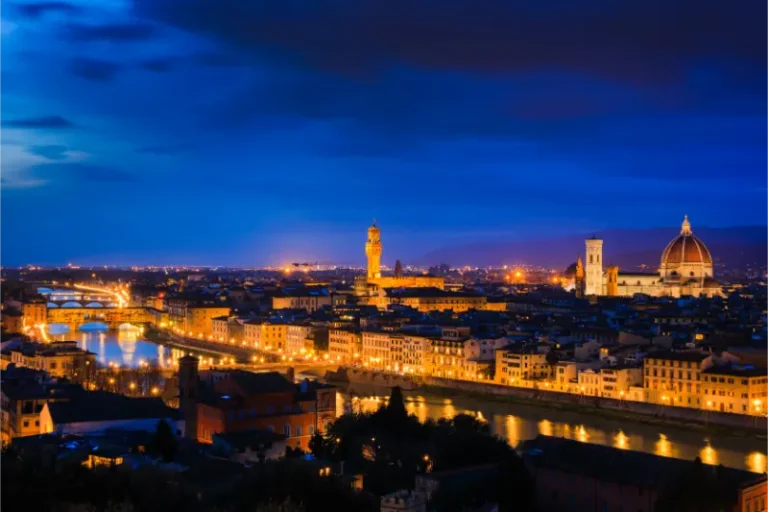
Tuscany is at its best when you stop treating it as a checklist of famous monuments. Florence, Siena and Pisa matter, of course, but the region becomes memorable in the moments between them: a road curling through vineyards, a small town that goes quiet after the day-trippers leave, steam rising from a thermal spring, or a market counter where lunch is decided by what looks good that morning. This guide brings together the experiences that make a first trip feel complete without forcing you to race across the map.
Why this experience belongs in your Tuscany trip
If you have only a week, combine one major art city, one hill-town day, one countryside experience and one slower day built around food, nature or thermal water. That balance gives you the Tuscany people imagine before they arrive, but also enough time to notice the region beyond the postcard. Our guides to Florence, Chianti and Val d’Orcia can help you turn these ideas into a route.
1. See Renaissance Florence before the crowds take over
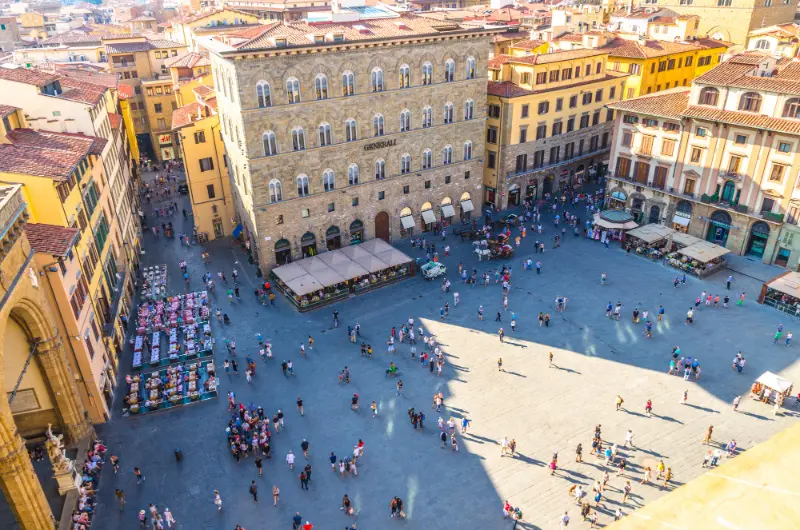
Start early around Piazza del Duomo, then move towards Piazza della Signoria and the Arno before the central streets fill. Florence rewards a slower rhythm: one major museum, one church or palace, and time simply to walk is often more satisfying than trying to collect every famous sight in a single day.
Book timed-entry museums in advance when they are essential to you, especially in busy periods. If you are driving, park outside the restricted centre and do not follow a navigation app blindly into the ZTL.
2. Climb into Siena’s medieval world
Siena feels less like an open-air museum and more like a city that still lives inside its medieval structure. Piazza del Campo, the Duomo and the steep lanes between contrade create a completely different mood from Florence. Stay long enough to wander away from the Campo and the city becomes quieter almost immediately.
Siena is easy as a day trip but better if you can give it an evening. If arriving by car, use an official car park outside the restricted centre and walk or use escalator connections where available.
3. Drive a Chianti road instead of only booking a tasting
The wine is important, but the real pleasure of Chianti is the landscape between Greve, Panzano, Castellina and Radda. Stone villages, vineyards and wooded ridges give the route its character. A tasting becomes more meaningful when it is one part of a day rather than the only goal.
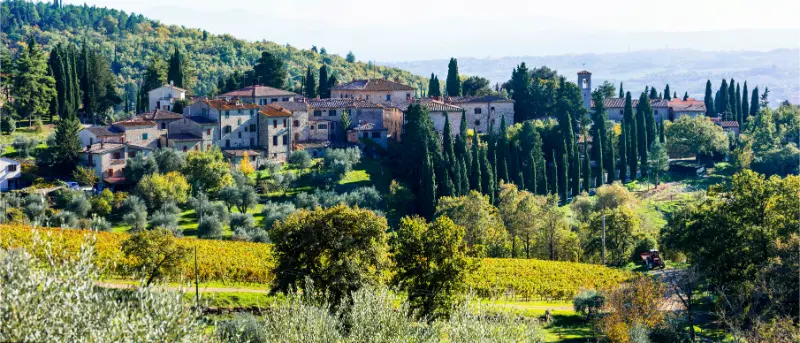
Choose one or two wineries at most and reserve ahead. If you are the driver, plan tastings responsibly and leave time for lunch. Read our Chianti guide before mapping the day.
4. Watch the light change across Val d’Orcia
Val d’Orcia is one of those landscapes that changes by the hour. Pienza, San Quirico, Montalcino and the roads around them are beautiful, but the strongest memories often come from stopping at a legal pull-off and watching shadows move across the fields.
Do not stop on blind bends or private farm tracks for photographs. Build fewer stops into the day and give yourself time to walk through the villages rather than viewing the valley entirely from the car.
5. Soak in a Tuscan hot spring
Thermal water has shaped parts of southern Tuscany for centuries. Saturnia is the famous natural experience, while Bagno Vignoni, Bagni San Filippo and spa towns such as Rapolano offer very different ways to enjoy the same tradition.
Natural sites can be slippery, crowded and less serviced than a spa. Bring suitable footwear and check current access conditions. Our thermal-baths section is the best place to compare options.
6. Spend a morning in a real food market
Markets are one of the quickest ways to understand how Tuscan food actually works. Florence has historic indoor markets, Livorno has a grand central market, and towns across the region hold weekly markets where vegetables, cheese, bread, cured meats and household goods share the same space.
Go in the morning, carry small change, and avoid treating every stall as a tasting counter. Buying a picnic lunch is often the most natural way to enjoy the experience.
7. See the Tuscan coast, not only the countryside
Tuscany has a long and varied coastline, from the polished beach culture of Versilia to the wilder shores of Maremma and the clear water of the Tuscan Archipelago. The sea changes the pace of a trip completely and can be a welcome break after several museum-heavy days.
In high summer, parking and access at famous coves can be regulated. For a quieter day, look beyond the best-known beach and choose an area with several alternatives nearby.
8. Walk through a forest older than the Renaissance
The Foreste Casentinesi show another Tuscany entirely: deep beech and fir woods, monasteries, mountain paths and long views across the Apennines. It is a powerful contrast to the stone cities and cultivated hills of central Tuscany.
Mountain weather changes faster than city weather. Use marked trails, take water and proper footwear, and check park information before setting off on a long hike.
9. Visit a smaller art town
Arezzo, Pistoia, Prato and Lucca each offer major art and architecture with a fraction of Florence’s intensity. Adding one of them gives your itinerary breathing room and often produces a more personal encounter with churches, squares and local cafés.
These cities work especially well by train. Check our individual destination guides and resist the temptation to squeeze two or three into the same day unless distances are very short.
10. Stay in a hill town after sunset
San Gimignano, Montepulciano, Pienza and other famous towns are transformed when day visitors leave. Streets become quieter, restaurant terraces feel more local and the surrounding landscape takes over again. One overnight stay can change your opinion of a place you thought was too busy.
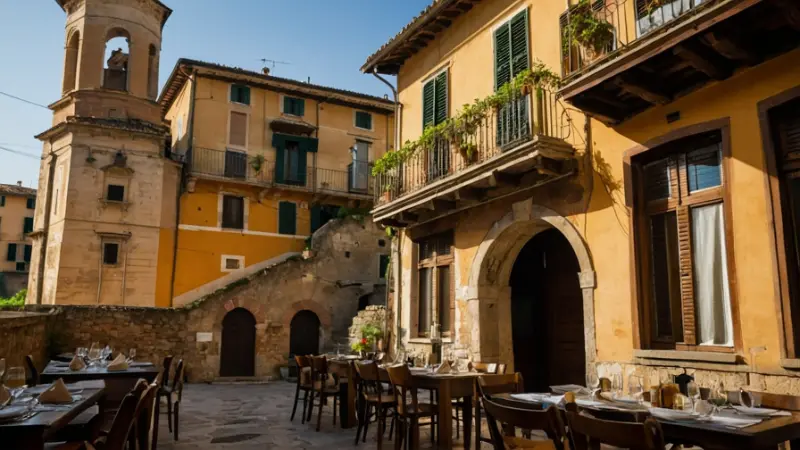
If you are travelling with a car, confirm parking with your accommodation before arrival. Historic-centre hotels may be inside ZTLs or pedestrian areas and can have specific luggage instructions.
11. Take a slow wine-and-food day in Montalcino or Montepulciano
These towns make it possible to combine architecture, landscape and wine without turning the day into a tasting marathon. Walk the centre, visit one cellar or estate, eat properly and let the views do the rest.
Reservations are sensible for sought-after wineries and restaurants. If you want to taste freely, use a driver, guided tour or stay overnight instead of driving afterwards.
12. Leave one half-day unplanned
Tuscany is unusually good at rewarding changes of plan. A market, a small church, a village seen from the road or a long lunch can become the highlight precisely because it was not scheduled.
Keep one flexible block every two or three days. It gives you room for weather changes, museum fatigue and the places you discover only after speaking with someone locally.
How to plan it well
The biggest mistake is not choosing the wrong attraction; it is trying to do too much. Florence plus Siena plus San Gimignano plus Chianti in one day may be technically possible on a tour, but it is not the same experience as exploring any of those places properly. Group your days geographically and keep rural days looser than city days.
Use trains for Florence, Pisa, Lucca, Arezzo and other well-connected cities, then bring in a car when the countryside becomes the focus. Our Tuscany by train and driving in Tuscany guides explain where each option works best.
Useful booking tools for this trip
Tours & experiences: For guided visits, attraction tickets and bookable experiences in Tuscany, See tours & tickets
Best time to go
Spring and autumn are ideal for mixed city-and-countryside trips. Summer is excellent for the coast and long evenings but requires more planning around heat and crowds. Winter can be surprisingly rewarding for art cities, food, thermal baths and a slower pace, although some rural services are reduced.
How to build these experiences into a real itinerary
Think about the best things to do in Tuscany as part of the wider itinerary rather than a standalone box to tick. The region works best when art cities, countryside and slower experiences alternate instead of competing for the same day. A day becomes much easier when you decide in advance what the main experience is and what can remain optional. That matters in Tuscany because short distances on a map can hide slow roads, parking outside historic centres, queues at famous sites or long walks from the car. Give the main stop enough room to breathe, then add only one or two secondary ideas nearby. If everything goes smoothly you can always do more; if not, the day still feels complete.
For transport, use trains for the major connected cities and introduce a car only when the countryside, coast or smaller villages become the focus. Before leaving your accommodation, save the exact parking area, station, meeting point or trailhead rather than only the attraction name. This small habit prevents navigation apps from sending you through restricted streets or onto roads that are technically correct but impractical. In rural Tuscany, fuel, shade, public toilets and food options can be less frequent than visitors expect, while city centres often require the opposite strategy: leave the car outside and walk. The best choice is usually the simplest one, not the route with the most stops.
Booking is worth handling selectively. Major museums, sought-after wine tastings and some regulated natural sites deserve advance planning; ordinary village walks and scenic drives do not. Reserve what would genuinely disappoint you if unavailable, but do not schedule every hour. Tuscany is full of places where a long lunch, a sudden viewpoint or a small church can alter the plan for the better. Leave gaps between timed activities, especially if driving, and avoid stacking two high-demand reservations with no buffer. When opening hours or access rules matter, check the official source the evening before rather than relying on screenshots or old travel posts saved weeks earlier.
Timing can transform the same place. Alternate demanding sightseeing days with lighter ones so that the trip still feels like a holiday rather than an endurance test. Early starts are useful for popular sites, but not every day needs to begin at dawn. Sometimes the better choice is a slow morning followed by a later visit when tour groups are leaving. In summer, use the hottest hours for lunch, museums or rest; in cooler months, make the most of shorter daylight. If photography matters, remember that Tuscany’s strongest light is often at the edges of the day, when stone, hills and water gain depth and the atmosphere becomes calmer.
The most common mistake is trying to collect famous places faster than you can actually experience them. A stronger approach is to choose quality over quantity and let the location set the pace. Wear shoes suited to uneven paving, gravel, wet surfaces or trails where relevant, carry water, and keep a light layer in the car because hill and coastal weather can change quickly. If travelling with children or anyone with limited mobility, check the final approach rather than assuming a place labelled accessible on a map is effortless in practice. Historic Tuscany is beautiful precisely because it was not designed around modern convenience.
Finally, mix at least one experience you already know you love with one that is new to you. This is where personal travel style matters more than rankings. A visitor who loves art may happily spend three hours in one museum; another will remember the market outside more vividly. Some travellers want a polished spa or organised beach club, while others prefer a rough path to a natural pool or quiet cove. Use guides to understand the options, then choose the version that matches your energy, budget and route. The goal is not to reproduce someone else’s perfect Tuscany, but to make your own days feel coherent and enjoyable.
Useful official information
For current regional ideas and official planning information, consult Visit Tuscany.
Where to stay for this trip: Where to Stay in Tuscany: The Best Areas for Every Kind of Trip. Check prices & availability
Final thoughts
The best things to do in Tuscany are not a fixed top-ten list. The strongest trip combines art, landscape, food and enough unstructured time to let the region surprise you. Choose fewer experiences, stay longer in each place and the journey will feel much richer.