Best Nature Experiences in Tuscany: Parks, Mountains and Wild Landscapes
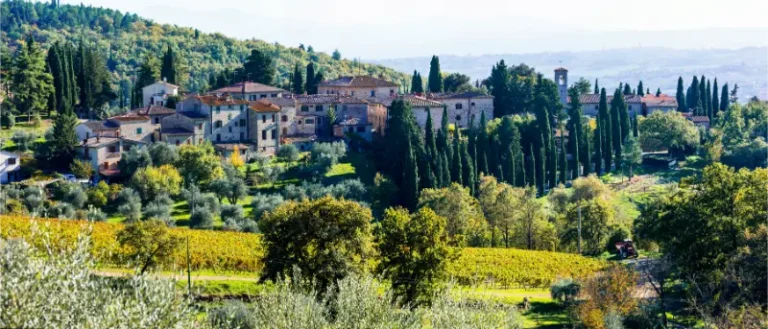
The countryside between Tuscan cities is beautiful, but “nature in Tuscany” means much more than vineyards and cypress roads. The region reaches into the Apennines, the Apuan Alps, protected coastal wetlands, volcanic Monte Amiata and the islands of the Tuscan Archipelago. Some landscapes are gentle and easy to access; others require real mountain planning. Mixing one of these areas into a city-heavy trip is one of the best ways to understand how varied Tuscany actually is.
Why this experience belongs in your Tuscany trip
For forest hiking, choose the Foreste Casentinesi. For dramatic mountains, the Apuan Alps are unmatched. Maremma combines coast, wildlife and Mediterranean vegetation; Elba mixes beaches with serious hiking; Monte Amiata gives cool woodland and highland villages in the south.
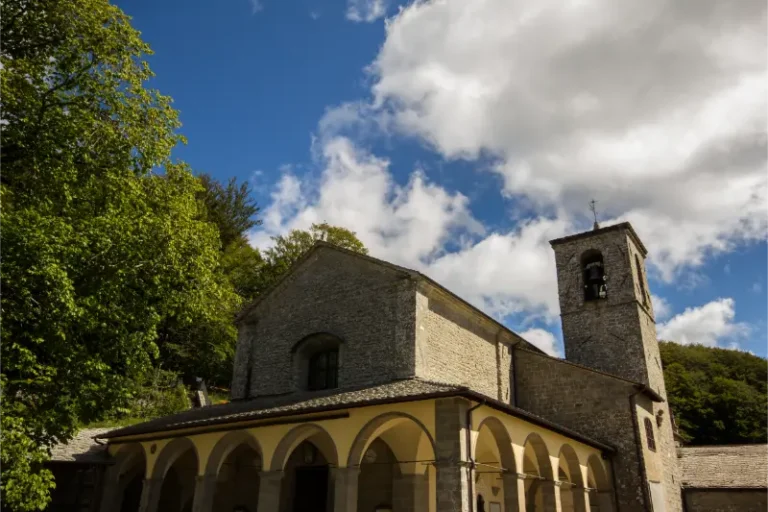
1. Foreste Casentinesi National Park
This vast protected area straddles Tuscany and Emilia-Romagna with old forests, monasteries, waterfalls and long mountain trails. Visit Tuscany notes more than 650 kilometres of trails and the presence of UNESCO-listed ancient beech forests.
Use the national park’s official information for trail conditions. Autumn foliage is spectacular, but weather and daylight change quickly in the mountains.
2. Apuan Alps
The Apuan Alps rise dramatically behind the coast and Carrara marble district. Sharp limestone peaks, caves and high paths make them feel far more alpine than most visitors expect from Tuscany.
Do not confuse scenic viewpoints with easy hiking. Many routes are steep and exposed; choose trails that match your experience and avoid mountain walks in unstable weather.
3. Maremma Regional Park
The park protects the Uccellina hills, pine woods, wetlands, the Ombrone estuary and a long coastal landscape where wildlife and traditional grazing still shape the scenery.
Access to some routes and beaches is regulated. Start from official visitor information and choose a route based on heat, distance and transport rather than only the most photogenic destination.
4. Tuscan Archipelago National Park
The islands combine marine environments with granite mountains, Mediterranean scrub and historic settlements. Elba is the most accessible base and offers both beaches and hiking routes.
Ferries, seasonal buses and summer traffic affect island planning. If you want to hike, stay overnight rather than treating the island only as a rushed beach day.
5. Monte Amiata
This extinct volcanic massif creates a cool, forested highland above southern Tuscany. Beech and chestnut woods, villages and thermal areas make it an excellent change from exposed summer valleys.

A car is useful for moving between villages and trailheads. Temperatures can be significantly lower than in Siena or Val d’Orcia, so bring an extra layer outside midsummer.
6. Orrido di Botri and Garfagnana
The deep limestone gorge of the Orrido di Botri and the mountain landscapes of Garfagnana reveal Tuscany at its rugged northwestern edge.
Seasonal opening and water conditions matter in the gorge. Use official reserve guidance, proper footwear and never assume a river-gorge walk is equivalent to a normal town trail.
7. Migliarino San Rossore Massaciuccoli Park
Between Pisa, Lucca and the Versilia coast, this protected landscape includes wetlands, pine forests and coastal environments. It is one of the easiest ways to add nature to a trip based around famous cities.
Some zones have controlled access and guided-visit options. Check park rules before driving into estate areas or planning a beach approach.
8. Val d’Orcia on foot
Val d’Orcia is usually experienced through a car windscreen, yet sections of old paths and Via Francigena routes let you see the agricultural landscape at human speed.
Summer sun can be intense and shade limited. Start early, carry water and plan transport back if you are walking a one-way section.
9. Padule di Fucecchio
This large wetland between Florence, Pistoia and Lucca is a completely different Tuscany, known for birdlife, water channels and flat landscapes rather than hills.
Birdwatching is best when you move quietly and use designated routes. Seasonal water levels change the appearance of the marsh dramatically.
10. Monte Argentario coastal paths
The rocky promontory offers Mediterranean scrub, sea views and coves connected by steep roads and footpaths. It is a strong option for travellers who want active days by the sea.

Heat and lack of shade are serious in summer. Choose shorter routes in the morning and never assume every cove has an easy path back up.
How to plan it well
Choose nature days by geography. Casentino pairs with Arezzo; Maremma with Grosseto and the southern coast; the Apuan Alps with Carrara, Massa or Garfagnana; Monte Amiata with Val d’Orcia and the thermal towns. This keeps driving proportional to hiking time.

For mountain and reserve visits, local official sources matter more than generic travel advice. Trails can close after storms, fire-risk rules may change, and some protected areas regulate cars or visitor numbers.
Best time to go
Spring is excellent for green landscapes and comfortable walking. Autumn brings forest colour and cooler air. Summer favours high elevations and early starts, while winter can be beautiful but requires more serious mountain judgement.
How to plan nature days safely and realistically
Think about Tuscany’s parks, mountains and wild landscapes as part of the wider itinerary rather than a standalone box to tick. Nature days depend more on weather, route length and daylight than urban sightseeing, so plans need room to change. A day becomes much easier when you decide in advance what the main experience is and what can remain optional. That matters in Tuscany because short distances on a map can hide slow roads, parking outside historic centres, queues at famous sites or long walks from the car. Give the main stop enough room to breathe, then add only one or two secondary ideas nearby. If everything goes smoothly you can always do more; if not, the day still feels complete.
For transport, a car is often useful for trailheads and protected rural areas, but some parks regulate vehicle access and use shuttles or designated entrances. Before leaving your accommodation, save the exact parking area, station, meeting point or trailhead rather than only the attraction name. This small habit prevents navigation apps from sending you through restricted streets or onto roads that are technically correct but impractical. In rural Tuscany, fuel, shade, public toilets and food options can be less frequent than visitors expect, while city centres often require the opposite strategy: leave the car outside and walk. The best choice is usually the simplest one, not the route with the most stops.
Booking is worth handling selectively. Guided routes, seasonal reserve access and regulated beaches may require advance arrangements; ordinary marked walks may not. Reserve what would genuinely disappoint you if unavailable, but do not schedule every hour. Tuscany is full of places where a long lunch, a sudden viewpoint or a small church can alter the plan for the better. Leave gaps between timed activities, especially if driving, and avoid stacking two high-demand reservations with no buffer. When opening hours or access rules matter, check the official source the evening before rather than relying on screenshots or old travel posts saved weeks earlier.
Timing can transform the same place. Start longer hikes early, avoid exposed routes in summer midday heat, and respect shorter daylight in autumn and winter. Early starts are useful for popular sites, but not every day needs to begin at dawn. Sometimes the better choice is a slow morning followed by a later visit when tour groups are leaving. In summer, use the hottest hours for lunch, museums or rest; in cooler months, make the most of shorter daylight. If photography matters, remember that Tuscany’s strongest light is often at the edges of the day, when stone, hills and water gain depth and the atmosphere becomes calmer.
The most common mistake is treating every scenic walk as an easy stroll simply because Tuscany looks gentle in photographs. A stronger approach is to choose quality over quantity and let the location set the pace. Wear shoes suited to uneven paving, gravel, wet surfaces or trails where relevant, carry water, and keep a light layer in the car because hill and coastal weather can change quickly. If travelling with children or anyone with limited mobility, check the final approach rather than assuming a place labelled accessible on a map is effortless in practice. Historic Tuscany is beautiful precisely because it was not designed around modern convenience.
Finally, match the route to the least experienced person in your group and always choose a shorter alternative when weather or energy changes. This is where personal travel style matters more than rankings. A visitor who loves art may happily spend three hours in one museum; another will remember the market outside more vividly. Some travellers want a polished spa or organised beach club, while others prefer a rough path to a natural pool or quiet cove. Use guides to understand the options, then choose the version that matches your energy, budget and route. The goal is not to reproduce someone else’s perfect Tuscany, but to make your own days feel coherent and enjoyable.
Useful booking tools for this trip
Tours & experiences: For guided visits, attraction tickets and bookable experiences in Tuscany, See tours & tickets
Car rental: If this trip works better with your own wheels, Compare car rental prices before choosing the pickup point.
Useful official information
For the Foreste Casentinesi, use the official national park website for current trail and visitor information.
Where to stay for this trip: Where to Stay in Tuscany: The Best Areas for Every Kind of Trip. Check prices & availability
Final thoughts
Tuscany’s wild side is not an optional extra. A day in forest, mountains or protected coast gives the art cities and cultivated countryside a stronger sense of place—and often becomes the quietest, most memorable part of the trip.