Best Museums in Tuscany: 10 Collections Worth Building a Trip Around
Tuscany’s museums are not simply rainy-day substitutes for walking around beautiful cities. They are where the region’s churches, palaces, archaeology and political history start to connect. Florence naturally dominates, but a museum itinerary that never leaves Florence misses Etruscan Volterra, Sienese civic art, Pisa’s cathedral treasures and Prato’s contemporary side. The key is to choose collections that deepen the place you are already visiting rather than spending every day indoors.
Why this experience belongs in your Tuscany trip
For a first trip, prioritise the Uffizi and Accademia only if the works inside genuinely matter to you, then choose one museum outside Florence. Santa Maria della Scala in Siena, the Museo dell’Opera del Duomo in Pisa and the Guarnacci Museum in Volterra each reveal a different Tuscany.
1. Uffizi Galleries, Florence
The Uffizi is the essential collection for understanding the arc of Italian Renaissance painting, with works connected to Botticelli, Leonardo, Michelangelo, Raphael and many others. The building and its relationship with the Medici city are part of the experience.
Book through the official ticket system when you need a specific time. The Uffizi website publishes notices about temporary closures and works not on display, so check it shortly before your visit.
2. Galleria dell’Accademia, Florence
Most visitors come for Michelangelo’s David, but the Accademia also rewards anyone interested in sculpture, painting and the physical process behind monumental art.
Because many people visit for one masterpiece, queues can be disproportionate to the time they spend inside. Timed entry is useful in busy periods.
3. Bargello National Museum, Florence
The Bargello offers a more intimate encounter with Renaissance sculpture than the biggest Florentine museums, including major works by Donatello, Michelangelo and others inside a former civic building with a beautiful courtyard.
It is a strong choice if you are tired of enormous galleries. Pair it with nearby medieval Florence rather than treating it as another all-day museum.
4. Museo Galileo, Florence
This museum changes the tone completely, focusing on scientific instruments, astronomy and the history of observation. It is one of the best choices for travellers who want Florence to be more than painting and churches.
Families with older children often find it a useful change of pace. It is close to the Uffizi but deserves its own attention rather than being squeezed into the final twenty minutes of a museum marathon.
5. Pitti Palace and Boboli Gardens, Florence
Pitti combines princely interiors and collections with the scale of Medici court life, while Boboli extends the visit into one of Europe’s influential historic garden landscapes.
Treat palace and gardens as a substantial half-day. Heat matters in Boboli, so summer mornings are more comfortable than mid-afternoon.
6. Santa Maria della Scala, Siena
Opposite Siena Cathedral, this former hospital complex holds art, archaeology and centuries of civic history inside a building that once served pilgrims and the poor.

It can be surprisingly large. If you are in Siena for one day, decide whether the museum or a tower climb matters more instead of rushing both.
7. Museo Civico, Siena
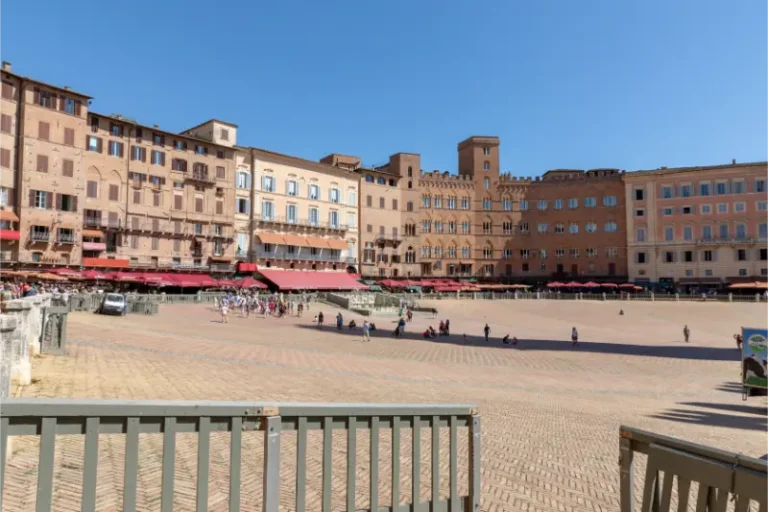
Inside Palazzo Pubblico, the Museo Civico places Sienese art exactly where civic power operated. Ambrogio Lorenzetti’s famous imagery of good and bad government is especially meaningful when you have just walked through the city outside.
Combine it with Piazza del Campo and allow time to look rather than moving room to room only for the famous frescoes.
8. Museo dell’Opera del Duomo, Pisa
Pisa’s cathedral complex makes more sense after seeing its sculpture, architectural fragments and works removed from the monuments for preservation.
If you are already buying tickets for the Piazza dei Miracoli complex, check the combined options and opening arrangements instead of purchasing attractions one by one without a plan.
9. Guarnacci Etruscan Museum, Volterra
Volterra is one of Tuscany’s great Etruscan cities, and the Guarnacci collection gives context to the walls, gates and archaeological traces outside.

Visit the museum before or after walking the town, then the ancient landscape becomes easier to read. Our Volterra guide helps connect the sites.
10. Centro Pecci, Prato
Prato’s Centro per l’Arte Contemporanea Luigi Pecci is the most obvious reminder that Tuscany’s art story did not end in the sixteenth century. Its modern architecture and changing exhibitions are a deliberate contrast with medieval and Renaissance collections.
Check the current exhibition programme before travelling. It is especially worthwhile for repeat Tuscany visitors who want something outside the classic circuit.
How to plan it well
Avoid booking two major museums back-to-back every day. Visual fatigue is real, especially in Florence. One significant collection followed by a neighbourhood walk, market or garden usually produces a stronger memory than six hours of galleries.
Official museum websites are essential for timed entry, closure days, strikes, temporary exhibitions and accessibility information. Never rely on an old blog post for exact ticket prices or opening hours.
Best time to go
Museums are useful year-round. Summer makes advance booking more important, while winter is excellent for slower visits and easier access. On very hot days, an indoor collection can turn the middle of the day into productive sightseeing.
How to enjoy Tuscany’s museums without museum fatigue
Think about museum visits in Tuscany as part of the wider itinerary rather than a standalone box to tick. The richest collections are demanding, and the quality of the visit drops quickly when every day is packed with galleries from breakfast to closing time. A day becomes much easier when you decide in advance what the main experience is and what can remain optional. That matters in Tuscany because short distances on a map can hide slow roads, parking outside historic centres, queues at famous sites or long walks from the car. Give the main stop enough room to breathe, then add only one or two secondary ideas nearby. If everything goes smoothly you can always do more; if not, the day still feels complete.
For transport, walk or use public transport in Florence and central Siena, and use trains for museum days in Pisa, Prato and other connected cities. Before leaving your accommodation, save the exact parking area, station, meeting point or trailhead rather than only the attraction name. This small habit prevents navigation apps from sending you through restricted streets or onto roads that are technically correct but impractical. In rural Tuscany, fuel, shade, public toilets and food options can be less frequent than visitors expect, while city centres often require the opposite strategy: leave the car outside and walk. The best choice is usually the simplest one, not the route with the most stops.
Booking is worth handling selectively. Reserve major Florence museums and any must-see temporary exhibition, but keep smaller civic museums flexible where possible. Reserve what would genuinely disappoint you if unavailable, but do not schedule every hour. Tuscany is full of places where a long lunch, a sudden viewpoint or a small church can alter the plan for the better. Leave gaps between timed activities, especially if driving, and avoid stacking two high-demand reservations with no buffer. When opening hours or access rules matter, check the official source the evening before rather than relying on screenshots or old travel posts saved weeks earlier.
Timing can transform the same place. Choose your most important museum for the first part of the day when attention is strongest, then switch to streets, gardens or food afterwards. Early starts are useful for popular sites, but not every day needs to begin at dawn. Sometimes the better choice is a slow morning followed by a later visit when tour groups are leaving. In summer, use the hottest hours for lunch, museums or rest; in cooler months, make the most of shorter daylight. If photography matters, remember that Tuscany’s strongest light is often at the edges of the day, when stone, hills and water gain depth and the atmosphere becomes calmer.
The most common mistake is measuring success by the number of museums entered rather than by what you actually remember. A stronger approach is to choose quality over quantity and let the location set the pace. Wear shoes suited to uneven paving, gravel, wet surfaces or trails where relevant, carry water, and keep a light layer in the car because hill and coastal weather can change quickly. If travelling with children or anyone with limited mobility, check the final approach rather than assuming a place labelled accessible on a map is effortless in practice. Historic Tuscany is beautiful precisely because it was not designed around modern convenience.
Finally, pick collections that match your interests—painting, sculpture, archaeology, science or contemporary art—instead of visiting everything because it is famous. This is where personal travel style matters more than rankings. A visitor who loves art may happily spend three hours in one museum; another will remember the market outside more vividly. Some travellers want a polished spa or organised beach club, while others prefer a rough path to a natural pool or quiet cove. Use guides to understand the options, then choose the version that matches your energy, budget and route. The goal is not to reproduce someone else’s perfect Tuscany, but to make your own days feel coherent and enjoyable.
Useful booking tools for this trip
Tours & experiences: For guided visits, attraction tickets and bookable experiences in Tuscany, See tours & tickets
Useful official information
For the Uffizi, Pitti Palace and Boboli Gardens, use the official Uffizi Galleries visit page for current notices and tickets.
Where to stay for this trip: Where to Stay in Florence: Best Neighborhoods and Hotels for a First Visit. Check prices & availability
Final thoughts
The best museums in Tuscany are the ones that explain the city around them. Choose collections that connect with the streets, churches and landscapes you are already exploring and the region’s history becomes far more coherent.