Grotta del Vento: 2026 Prices, 1/2/3-Hour Tours, Temperature and What to Wear
Grotta del Vento is one of northern Tuscany’s strongest rainy-day and hot-weather attractions, but the three underground itineraries are not interchangeable. The cave in the Apuan Alps offers visits of roughly one, two or three hours. The interior stays at about 10.7°C with very high humidity, so choosing the route and clothing correctly matters more than the outside temperature.
Pair this guide with our Garfagnana guide, Best Nature Experiences in Tuscany, the Carrara marble-quarries guide and our Lucca guide.
Grotta del Vento quick facts
| Location | Fornovolasco, Garfagnana, inside the Apuan Alps Park |
|---|---|
| Opening | All year except 25 December |
| Temperature | About 10.7°C year-round |
| 1st itinerary | About 1 hour; €10 adult in current tariff |
| 2nd itinerary | About 2 hours; €18 adult |
| 3rd itinerary | About 3 hours; €25 adult |
| Booking | Strongly advisable for the 3rd itinerary and busy periods |
Why there are three itineraries
The cave’s visitor route is divided into three physically and geologically different sections. The first itinerary covers only the initial part and is the obvious choice for families or travellers who want the cave experience without committing half a day. The second adds another section and roughly doubles the time underground. The third combines all three parts and lasts about three hours.
Longer is not automatically better. The third itinerary is for visitors who actively enjoy caves, sustained walking and steps. If the cave is one stop in a Garfagnana road day, the first or second route often produces a better-balanced itinerary.
2026 prices and opening
The official cave site currently lists adult prices of €10, €18 and €25 for the first, second and third itineraries respectively. Reduced rates apply to children aged 4–10 and several other eligible categories. The cave is open every day of the year except Christmas Day, but the exact departure timetable varies and should be checked on the booking page.
The third itinerary runs only at limited times and the cave recommends booking because places are restricted. On very busy days groups may enter as soon as they reach operational capacity rather than functioning like an unrestricted walk-in attraction.
10.7°C changes what you should wear
The internal temperature is approximately 10.7°C throughout the year and humidity is around 99%. In August that feels cold immediately after leaving a hot car; in winter it can feel relatively mild compared with outside. The cave recommends clothing appropriate to those conditions.
Long trousers and a sweater or light jacket are the simplest solution. Closed shoes with secure soles make more sense than summer sandals. Do not dress only for the weather in Lucca or on the coast.
Rules that surprise visitors
Large bags, backpacks, child-carrier backpacks, pushchairs, walking sticks, umbrellas, tripods and other bulky objects are not allowed inside. Animals are not permitted regardless of size. Photography is controlled: the official rules allow it at stops under the guide’s direction, not while the group is moving or on the return.
These rules are operational, not cosmetic. Passage widths, steps and group movement in a cave are fundamentally different from a normal museum.
Is the cave suitable for children?
Many families use the first itinerary successfully, but the right question is not simply age. Can the child walk independently for the route length, follow instructions, handle cool humid conditions and remain with a moving group? Pushchairs and backpack child carriers are not permitted, which is decisive for families with very young children.
The reduced tariff currently applies to ages 4–10, but ticket eligibility does not automatically mean every child will enjoy every itinerary. Start with the one-hour route unless you know your child likes caves.
What the cave looks like
Grotta del Vento combines stalactites and stalagmites with underground streams, shafts and varied formations rather than presenting one enormous chamber. The name comes from the air circulation between openings at very different elevations: the lower tourist entrance sits at about 642 metres, while an upper opening is above 1,400 metres.
Temperature differences between inside and outside drive the strong airflow that can be felt at the entrance, particularly in summer. Once the reinforced door is closed, the sensation changes quickly.
Getting there: the road is part of the day
The cave lies in mountain terrain north of Lucca. Driving times can look short in kilometres but the final roads are not motorway travel. Build margin into the schedule, especially if you have a fixed cave departure.
Do not book a tour with a five-minute arrival buffer. Check in at the ticket office first, and treat the final mountain drive as part of the excursion rather than dead time between attractions.
Find places to stay in Garfagnana
What to combine with Grotta del Vento
A good combination is a Garfagnana village, a scenic lunch and the cave. Barga can work depending on your route, as can Fornovolasco and viewpoints in the Apuan landscape. Trying to add Carrara’s working quarries on the same day creates too much mountain-road logistics for most travellers.
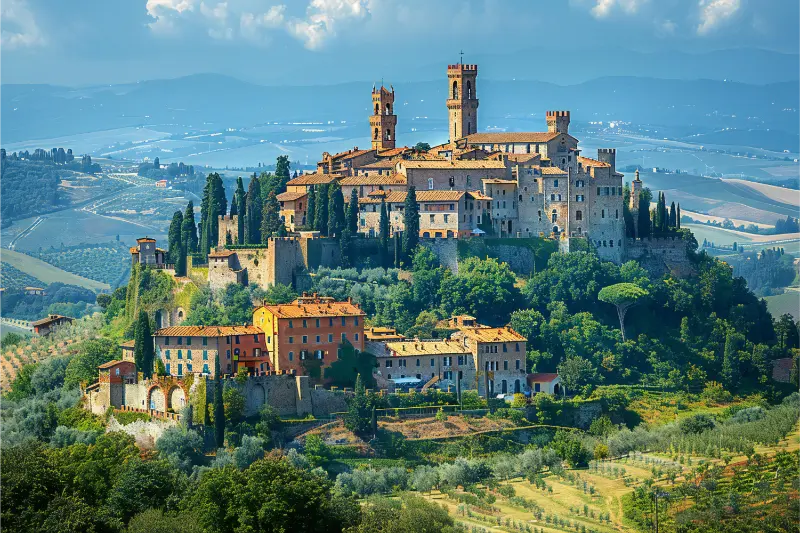
If you are based in Lucca, the cave is a strong day trip when the forecast is unstable because the underground visit is weather-resistant even when the mountain scenery is not at its best.
Which itinerary should you book?
- Choose the 1-hour itinerary for a first cave visit, younger children or a busy Garfagnana day.
- Choose the 2-hour itinerary if the cave is a major part of the day and you are comfortable with sustained walking.
- Choose the 3-hour itinerary if you specifically want the complete underground experience and are comfortable with steps, time and cool humidity.
Bottom line
Grotta del Vento is worth the drive because it offers a structured, scientifically guided underground experience rather than a short novelty cave. The key planning decisions are simple: choose the route honestly, book the long itinerary in advance, dress for 10.7°C rather than for Tuscany outside, and leave bulky equipment in the car.
Practical information was checked on 11 September 2026. Opening hours, prices, temporary restrictions and access rules can change, so recheck the official source shortly before travelling.
Rainy-day advantage — with one caveat
The cave is one of the rare Garfagnana attractions that remains meaningful when mountain views disappear into cloud. Rain outside does not automatically cancel a guided underground visit, which can rescue a day that would otherwise be poor for hiking.
The caveat is the drive. Heavy rain, winter conditions or poor visibility can still affect mountain roads, so “open underground” should never be interpreted as “all travel conditions are safe.” Check local road and weather information before setting out.
Final planning checklist
Before leaving for Grotta del Vento, reopen the official source rather than relying on a saved screenshot. Seasonal hours, temporary maintenance, weather restrictions and special events can all change the practical visit without changing the attraction itself.
Build at least 30 minutes of margin around parking or public transport. Tuscany’s most frustrating travel days are often caused not by long distances but by assuming that the final kilometre, ticket office and entrance process will take no time.
Keep the rest of the day geographically coherent. One detailed attraction plus a nearby town, meal or landscape stop usually produces a better experience than crossing the region to tick off a second famous name.
Finally, distinguish information that is structural from information that is temporary. Historic significance and route character change slowly; ticket prices, last admission, access limits and transport timetables can change quickly. This guide deliberately labels current 2026 operational details so they can be rechecked.
Choosing the 1-, 2- or 3-hour cave itinerary
The three official itineraries are genuinely different commitments, not three price tiers for almost the same walk. The one-hour route is the sensible choice for visitors who want the cave experience without making it the centre of the day. The two-hour route adds more underground variety and is a better default for curious adults. The three-hour itinerary is for travellers comfortable spending a long, cool, humid period underground and it runs at more limited times.
At a constant temperature of about 10.7 °C and humidity close to saturation, the cave can feel surprisingly cold after a hot Garfagnana drive. Bring a layer and shoes with secure soles. The operator also restricts bulky bags, strollers, walking sticks, umbrellas, tripods and child-carrier backpacks, so reorganise the car before walking to the entrance rather than discovering the rules at departure time.
Photography is controlled by the guide and allowed only at suitable stops. That rule is partly about keeping the group moving safely, so this is not the attraction for elaborate tripod setups. If you are travelling with children, check the current age pricing and choose the route based on attention span and walking comfort, not simply because the longest ticket seems to offer the best value.
Arrive before the assigned departure rather than at the exact minute. Guided cave visits depend on keeping groups together, and the mountain approach takes longer than a flat-city estimate suggests. A small time buffer is far more useful here than trying to recover a missed departure with a faster walk.