Montecatini Terme: Tettuccio, Funicular, Montecatini Alto and How to Plan a Visit
Montecatini Terme is most rewarding when you stop thinking of it as a base between Florence and Lucca and treat the spa town itself as the attraction. The historic Tettuccio complex, the thermal park, Liberty-era architecture and the funicular to Montecatini Alto explain why the town is part of the UNESCO-listed Great Spa Towns of Europe. A good visit is architectural and urban as much as it is about bathing.
Use this page with our Montecatini accommodation guide, the Tuscany thermal-baths overview, our Lucca guide and our Pistoia guide.
Montecatini in one day: the essential pieces
| Historic spa highlight | Terme Tettuccio |
|---|---|
| Tettuccio tourist entrance | Official local tourism page currently lists €6 |
| Tourist visiting hours shown | 11:00–19:00 daily on the current Tettuccio tourism page |
| Upper town | Montecatini Alto |
| How to reach it | Historic red funicular when operating, or road access |
| UNESCO context | Part of the transnational Great Spa Towns of Europe since 2021 |
| Ideal visit | Half day for architecture + funicular; full day if adding thermal bathing |
Terme Tettuccio is the place to understand Montecatini
Tettuccio is not simply a pool complex. The architecture, colonnades, fountains, ceramic decoration and landscaped setting express the social ritual of European spa culture. Even travellers who have no interest in taking thermal treatments can visit it as an architectural monument.
The current Montecatini cultural tourism page lists tourist access from 11:00 to 19:00 and a €6 entrance. It separately lists hours for hydroponic treatment, which is a reminder that sightseeing access and medical/wellness use are not the same product. Check the live page because operating arrangements can change around events.
What the UNESCO listing actually means
Montecatini is one of eleven spa towns in seven countries included in the Great Spa Towns of Europe World Heritage property. The designation is not for a single bathhouse; it recognises an urban culture created around mineral springs, treatment buildings, promenades, gardens, entertainment and hospitality.
That context changes how you should walk the town. Viale Verdi, the spa park and historic establishments are not disconnected sights. They are parts of a planned social landscape in which health, leisure and architecture were deliberately combined.
The historic funicular to Montecatini Alto
The red funicular, traditionally known through its two cars Gigio and Gigia, connects the lower spa town with Montecatini Alto. The official tourism site notes that it opened on 4 June 1898 and links the modern thermal centre with the older hilltop settlement.
Its timetable is seasonal, so this is not a connection to assume will run at any hour or in every maintenance period. Check the operating schedule shortly before your visit. When it runs, the funicular is part of the experience rather than merely transport: the climb makes the change in landscape and urban scale immediately visible.
What to do in Montecatini Alto
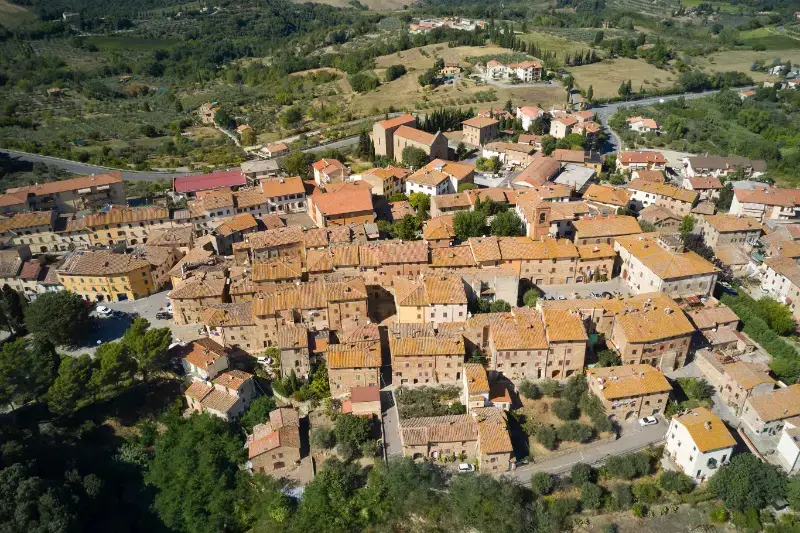
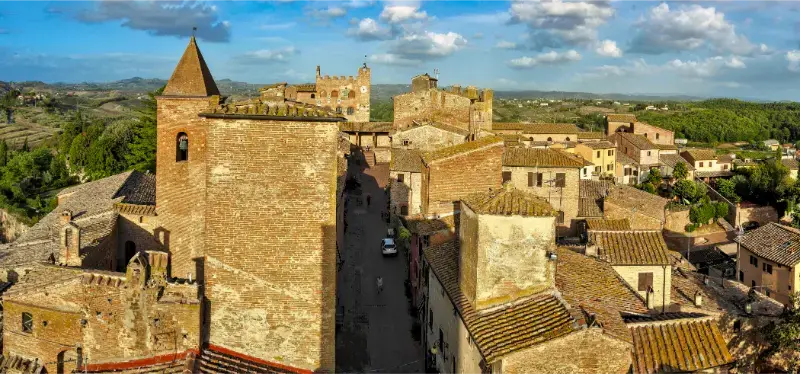
The upper village is compact, with a very different atmosphere from the broad spa avenues below. Go for the views, a slower walk and an aperitivo or meal rather than expecting a long checklist of monuments. The contrast is the attraction.
If the funicular return is central to your plan, confirm the last descent before sitting down for dinner. Road and taxi alternatives exist, but discovering that only after the final car has left is an avoidable problem.
Can you actually swim in thermal water?
Do not assume the ornamental and drinking-water heritage of Tettuccio means a swimming pool is included with the tourist entrance. Thermal bathing in Montecatini is offered through specific facilities and products. GetYourGuide currently lists a thermal-pool entrance product in the town, but availability and the exact facility should be checked for your date.
Check thermal-pool and Montecatini experiences
If your priority is soaking rather than architecture, compare the pool experience with Rapolano or another thermal destination before deciding. Montecatini’s strongest identity is the combination of spa urbanism, historic architecture and the hilltop connection.
A practical half-day route
- Begin around Viale Verdi and walk toward the spa park.
- Visit Terme Tettuccio during the current tourist-access window.
- Continue through the green spa area rather than returning immediately to the commercial centre.
- Take the funicular to Montecatini Alto if it is operating.
- Stay in the upper village for a drink or meal, then descend before the final service.
A full-day version
A full day works if you add an actual thermal-pool session or a slower lunch. Keep the order simple: architecture and walking first, bathing later. If you spend the morning in a pool, you may have less energy for the upper-town walk and you risk turning the heritage side of Montecatini into an afterthought.
Travellers staying overnight can split the experience even more naturally: Tettuccio and the park in the afternoon, Montecatini Alto for sunset and dinner, then a spa session the following morning.
Best time of year
Spring and early autumn suit the town especially well because the gardens and promenades are comfortable for walking. Summer brings events and longer evenings but also heat. Winter can be atmospheric, yet seasonal services — especially the funicular and tourist access to individual spa buildings — require more careful checking.
Montecatini also hosts cultural events inside or around the historic spa spaces, so the exact experience can differ from one date to another. The official tourism calendar is worth checking before a day trip.
Getting there by train
Montecatini is one of Tuscany’s easier spa towns to approach without a car, which is one reason it works well in a rail itinerary. The lower town is walkable, and the funicular can remove the need for a car to reach Montecatini Alto when it is operating.

If you are using Montecatini as a base for Pisa, Lucca and Florence, keep at least half a day for the town itself. Otherwise you are paying to stay in a UNESCO spa town while experiencing it only as a railway station.
Compare hotels in Montecatini Terme
What not to expect
Do not expect a single all-inclusive “Montecatini spa ticket” that automatically grants access to every historic building, treatment and pool. The heritage is distributed across the town and individual facilities have their own operating arrangements. Separate architectural sightseeing from wellness products when planning.
Bottom line
Montecatini Terme works best as a layered visit: Tettuccio for spa architecture, the thermal park for the urban landscape, the funicular for the historic connection and Montecatini Alto for views and evening atmosphere. That combination explains the town far better than a quick stop for a treatment or a night spent here only because hotels are cheaper than Florence.
Practical information was checked on 11 September 2026. Opening hours, prices, temporary restrictions and access rules can change, so recheck the official source shortly before travelling.
Why Montecatini works as a car-free base
The railway location, walkable lower town and public connection to nearby cities make Montecatini unusually practical for travellers who do not want to drive every day. That advantage is strongest when you also use the town’s own attractions instead of commuting out from breakfast until dinner.
A two-night stay can therefore mix one rail day trip with one slower local afternoon, giving the itinerary less transit and more variety than changing hotels every night.
Final planning checklist
Before leaving for Montecatini Terme, reopen the official source rather than relying on a saved screenshot. Seasonal hours, temporary maintenance, weather restrictions and special events can all change the practical visit without changing the attraction itself.
Build at least 30 minutes of margin around parking or public transport. Tuscany’s most frustrating travel days are often caused not by long distances but by assuming that the final kilometre, ticket office and entrance process will take no time.
Keep the rest of the day geographically coherent. One detailed attraction plus a nearby town, meal or landscape stop usually produces a better experience than crossing the region to tick off a second famous name.
Finally, distinguish information that is structural from information that is temporary. Historic significance and route character change slowly; ticket prices, last admission, access limits and transport timetables can change quickly. This guide deliberately labels current 2026 operational details so they can be rechecked.
A realistic one-day Montecatini plan
Start in the lower spa town while the monumental thermal architecture is easy to appreciate, then visit Tettuccio during the current tourist-access window rather than assuming the park and the treatment areas follow identical hours. The city tourism information distinguishes tourist entry from hydroponic-treatment hours, an important detail if you are visiting for architecture rather than taking a cure.
Later, use the historic funicular to reach Montecatini Alto if it is operating on your date. The line, opened in 1898, is part of the experience rather than merely transport. Seasonal operation means the live timetable matters; do not promise yourself a sunset ride based on an old summer schedule. If the funicular is not running, decide whether the hill town still justifies the alternative road journey.
Montecatini’s inclusion in the UNESCO Great Spa Towns of Europe gives the town more context than a single spa entrance. The useful way to experience it is to combine architecture, gardens and the social history of European thermal culture. Visitors interested only in a modern pool day should check current spa products separately, because the historic thermal complex and contemporary wellness services are not interchangeable.