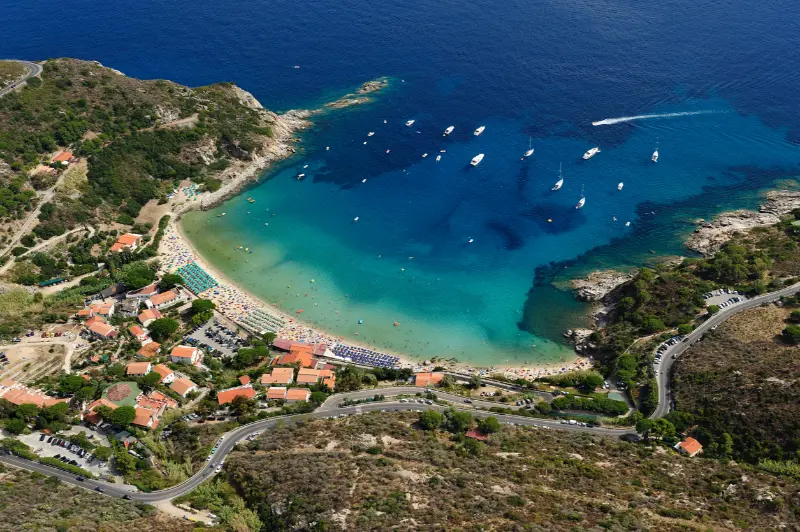
Tuscany with Toddlers: A Low-Stress Guide to Cities, Countryside and the Coast
Tuscany with Toddlers: A Low-Stress Guide to Cities, Countryside and the Coast is designed for families who want to enjoy Tuscany without turning every day into a race. Travelling through Tuscany with a toddler is less about finding ‘toddler attractions’ and more about removing friction. Short transfers, a room you can return to, a sturdy stroller, predictable meal options and enough unplanned time can make Florence, Lucca, the countryside and the coast feel far easier than parents expect.
One major activity per half-day is enough. Toddlers rarely care whether a museum is world famous, but they care very much about hunger, heat and being strapped into a car seat for too long. Build the route around sleep and movement, then fit Tuscany around that framework.
How to plan it well
Family travel in Tuscany works best when the schedule has space. Historic centres can be compact but cobbled, summer afternoons can be hot, and even short drives may include parking, restricted traffic zones and a final walk uphill. Build each day around one or two priorities, then leave enough room for a playground, a long lunch, a gelato stop or a swim. That flexibility is not a compromise; it is what allows both adults and children to experience the region rather than simply move through it.
Before each day, check the official website for any attraction with timed entry, seasonal opening, age restrictions or height limits. For cities, check the local ZTL and parking information rather than following a navigation app into the historic centre. In the countryside, assume that services are more spread out and carry water and a small snack even when lunch is planned.
Best things to do and how to fit them into a family trip
Choose fewer bases
Changing hotels every night multiplies packing, check-in time and disrupted sleep. A toddler trip works better with two or three bases: perhaps Florence, a countryside stay and the coast. Day trips can be adjusted or cancelled without dismantling the whole route.
Three nights often feels better than two because the middle day is completely free from luggage logistics.
Use Florence without a car
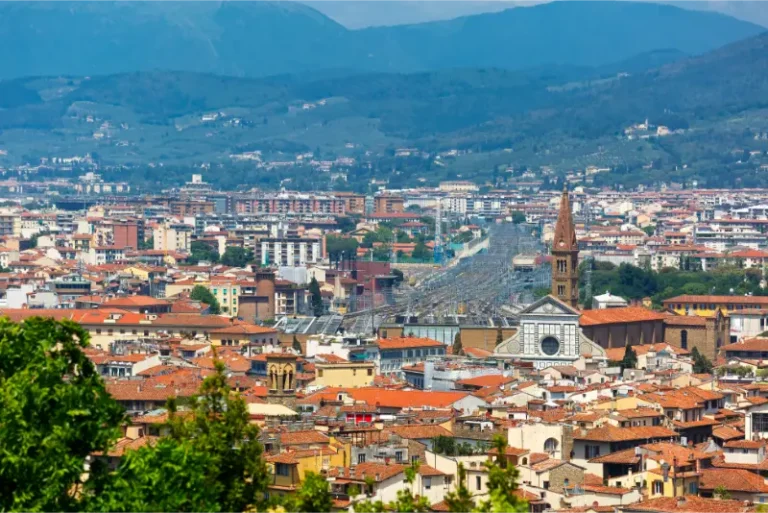
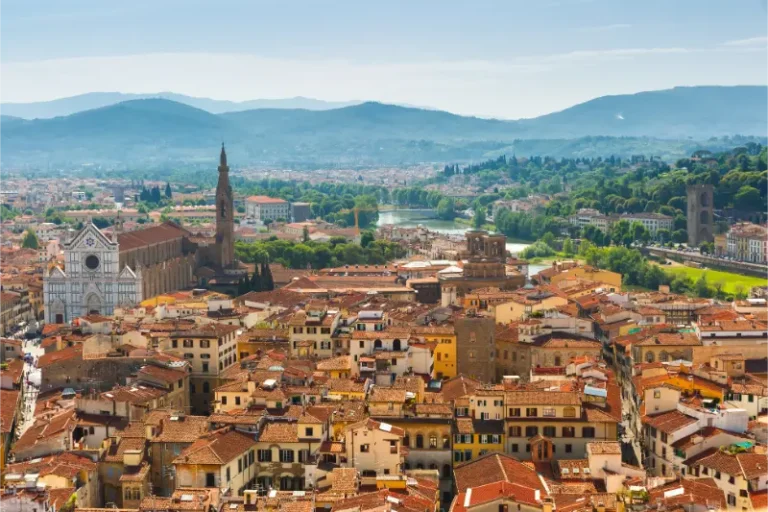
Central Florence is compact enough for stroller walks, and the train station connects well with other cities. Staying centrally means a nap can happen back in the room rather than in a noisy café or on a long bus journey.
Avoid driving into the ZTL. If arriving by car, use a hotel with clear parking instructions or leave the vehicle outside the restricted centre.
Make Lucca your easiest city day
Lucca is flat, enclosed and unusually calm for a historic Tuscan city. The walls function as a green promenade where a toddler can spend time out of the stroller, while the old town is compact enough to retreat quickly.
A family room at Hotel Ilaria is one verified central option, but any accommodation close to the walls can work if it has the room setup your family needs.
Treat Siena as a short visit
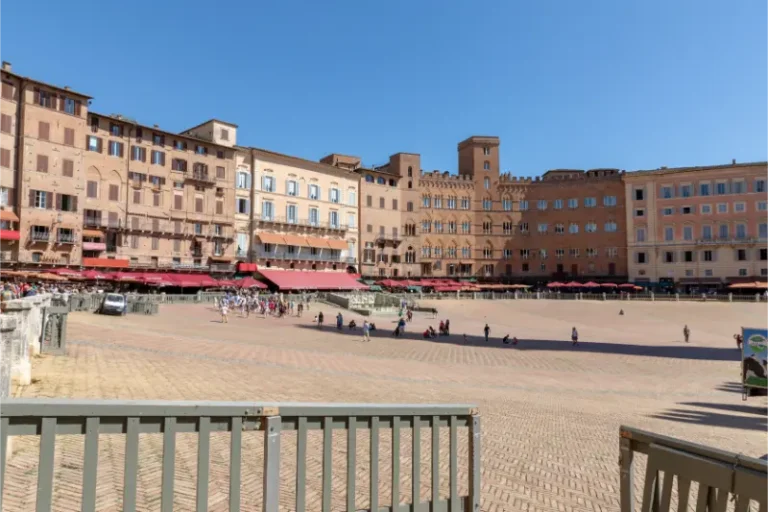
Siena is beautiful but hilly. With a toddler, choose the Campo, the Duomo exterior or one interior, then a green break. Trying to cover the city like adults on a weekend break can turn the hills into a battle.
A baby carrier is valuable on steep lanes. If using a stroller, strong wheels and good brakes matter.
Pick countryside accommodation for outdoor space
An agriturismo can be excellent with toddlers because the day does not have to begin with a sightseeing goal. Gardens, animals and a pool can make the property itself useful, while parents still get the landscape they came for.
Ask specifically about pool fencing, stairs, crib availability and whether the restaurant operates every night. Never assume rural means automatically childproof.
Keep drives short
Tuscan roads can be winding and slower than expected. A thirty-kilometre route may involve villages, tractors, parking and narrow lanes. Toddlers do better when you cluster destinations rather than crossing the region every day.
Use nap time for the longer drive when that matches your child’s routine, but keep flexibility for motion sickness or unexpected stops.
Choose easy beaches
Sandy beaches with shallow water and nearby facilities usually beat remote coves for toddler logistics. Versilia, parts of the Etruscan Coast, Follonica and several Elba beaches all offer practical options.
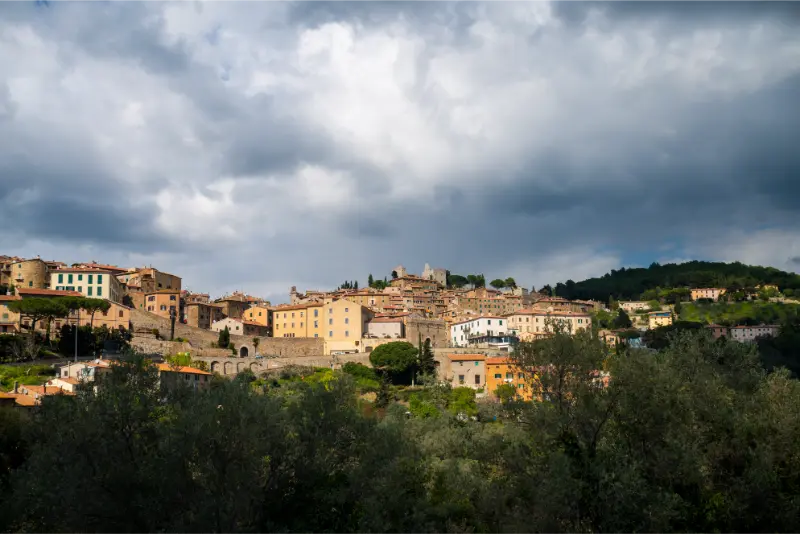
Shade is essential. Reserve a beach umbrella or bring reliable sun shelter, and avoid the middle of the day in peak summer.
Bring a carrier even if you use a stroller
Historic towers, medieval stairs, steep hill towns and some museums are not stroller-friendly. A compact carrier can turn an impossible visit into a manageable one and is also useful when cobbles become tiring.
Do not use a carrier for long exposed climbs in extreme heat; parent and child can both overheat quickly.
Shift meal expectations
Toddlers may need dinner earlier than local restaurants become busy. Apartments, hotels with flexible food options or a substantial lunch can remove pressure from evenings. Bakeries, markets and simple trattorie provide plenty of easy foods.
Carry emergency snacks. A delayed train or closed countryside restaurant feels much bigger with a hungry two-year-old.
Protect the nap and the mood
Parents sometimes treat a skipped nap as the price of travel, then lose the entire late afternoon. When possible, protect the nap or schedule the least important activity around it. Tuscany will still be there after the child wakes.
A successful toddler itinerary is one where adults still enjoy the place because the child is not permanently overtired.
Where to stay with children
Look for family rooms, apartments or agriturismi with space to separate sleep from adult evening time. In Florence, Hotel Santa Maria Novella advertises family rooms; in Siena, Hotel Athena does the same; in Lucca, Hotel Ilaria has large family rooms. On Elba, Hotel Hermitage lists dedicated family accommodation. These are examples, not the only good choices.
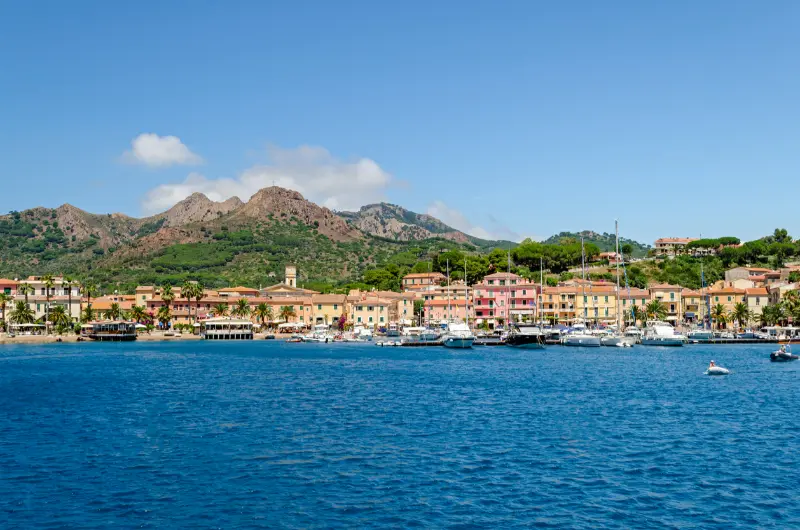
When comparing accommodation, look beyond the headline price. A family room that genuinely sleeps everyone comfortably, a lift, predictable parking, breakfast on site and a location that lets you walk back for a break can be worth more than an extra star. In rural areas, ask about road access after dark, pool safety, restaurant opening days and whether there is somewhere simple to eat if children are tired.
Useful booking tools for this trip
Car rental: If this trip works better with your own wheels, Compare car rental prices before choosing the pickup point.
Eating well without making meals complicated
Toddlers can eat very well in Tuscany: pasta with tomato or butter, bread, mild cheeses, fruit, vegetables, simple grilled meat and gelato are easy to find. Ask for small portions where possible. Breakfast accommodation can be especially useful because it removes one decision from the first hour of the day.
Tuscany is a good place to keep family food simple. Bread, focaccia, pasta, pizza, fresh fruit, mild cheeses and grilled dishes are easy to find, while local specialities give older children a chance to try something new without making every meal an experiment. Carrying one familiar snack is still useful on museum days, train journeys and long drives between villages.
Practical family tips
Pack a lightweight rain cover, sunshade, refillable bottle, basic medication and a few familiar snacks. Confirm crib type with accommodation rather than assuming. Cars require appropriate child seats; reserve them ahead if renting. Italy’s historic centres are full of cobbles and steps, so footwear matters for adults too. In summer, plan the day around heat: early outdoor time, indoor or rest time at midday, then another walk in the evening.
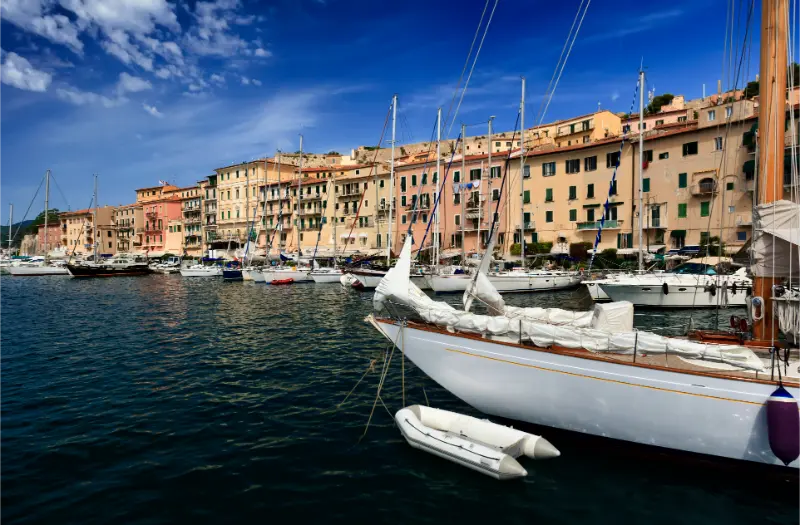
For younger children, a sturdy compact stroller and a lightweight carrier make a strong combination. For school-age children, give them a role: let them choose a tower, count contrada symbols, navigate one section of the walls or pick the afternoon gelato stop. For teenagers, build in ownership by letting them choose one beach, activity or meal. The more the trip feels shared, the less it feels like adults dragging children through an itinerary.
How to adapt this idea to your family
A toddler-friendly holiday also benefits from choosing sights that do not depend on silence or perfect timing. Squares, gardens, walls, markets, beaches and short boat rides are forgiving when a child suddenly needs food or a nap. Long guided tours, tower reservations and complicated transfers are much less forgiving. Keep one or two ‘adult priorities’ for the whole trip rather than one every day. If seeing the Uffizi matters deeply, protect that morning with a rested child and a simple afternoon. If the countryside is the priority, spend more nights in one agriturismo and accept fewer city stops. Parents often enjoy Tuscany more when they stop measuring success by the number of monuments seen. A calm hour in a piazza can be a genuine part of the trip, not dead time between attractions.
Useful official resources and related Tuscany Explorer guides
- Visit Tuscany: Families and children
- Feel Florence: Families and Children
- Hotel Santa Maria Novella
- Check rates and availability prices & availability
- Tuscany Explorer: Where to Stay in Tuscany
Where to stay for this trip: Where to Stay in Tuscany: The Best Areas for Every Kind of Trip. Check prices & availability
A final thought
The best family trip through Tuscany is not the one with the most famous places checked off. It is the one where a child remembers a tower, a ferry, a bicycle ride, a strange statue or the taste of a warm piece of focaccia, while the adults still have time to notice the landscape and the art around them. Plan less than you think you can fit, choose bases carefully, and let the region supply the unexpected moments.