
Mugello Travel Guide: Medici Country, Green Valleys and Tuscany Beyond Florence
Mugello begins surprisingly close to Florence, yet it feels like another Tuscany. The hills are greener, the Apennines stand closer and towns have a practical, local character rather than the polished rhythm of the region’s famous art centres. This was Medici country long before the family ruled Florence, and traces of that connection sit beside lakes, forests, farmhouses and roads that are loved as much by cyclists and motorcyclists as by cultural travellers.
In a hurry? Give this area at least two days if you can. Choose one logical base, start early for the most popular stops and leave room for a road, village or viewpoint you did not plan. The landscape is part of the attraction, so a schedule that looks efficient on paper can easily become less enjoyable once you are there.
Why Mugello feels different
The Medici family originated in Mugello and invested heavily in the area, leaving villas and fortifications that reveal how strategically important these valleys were between Florence and northern Italy. The region also produced major artists: Giotto and Fra Angelico were born around Vicchio. That mix of political history, rural economy and mountain geography gives Mugello a character that is more complex than its reputation as simply the green countryside north of Florence.
What to see and where to stop in Mugello
Borgo San Lorenzo
Borgo San Lorenzo is the valley’s main town and a useful anchor for exploring. The centre is pleasant rather than monumental, and that everyday atmosphere is exactly why it works. Look for local ceramics, food shops and the rhythm of a place that serves residents first. It is also a practical lunch stop before heading toward Lake Bilancino or the mountain roads.
Scarperia
Scarperia was founded by Florence in the fourteenth century to control the road north and still has an unusually coherent historic centre. The Palazzo dei Vicari dominates the main square, while the town’s knife-making tradition adds a craft story that you can actually see in workshops and museums. Visit before the afternoon lull if you want shops and small businesses to be open.
Villa di Cafaggiolo
The Medici villa at Cafaggiolo is one of the key landmarks for understanding the family’s Mugello roots. Even when interior access is limited, the setting explains why this fertile valley mattered to Florence. Combine it with nearby Barberino and Lake Bilancino rather than treating the villa as an isolated detour.
Lake Bilancino
Bilancino is a modern reservoir but has become part of Mugello life, particularly in warm weather. Walking, cycling, sailing and simple lakeside stops give you a break from churches and palaces. Summer weekends can be busy, so arrive early if you want easy parking near popular access points. The lake also works well for families because the day can be as active or relaxed as you like.
Vicchio
Vicchio is linked with Giotto and Fra Angelico and makes a good stop for travellers interested in Tuscany’s artistic landscape beyond museums. The surrounding countryside matters as much as the centre: the farms, river and wooded hills give context to artists who grew up in a world very different from central Florence. Pair Vicchio with a country lunch rather than a rapid monument visit.
Firenzuola and the mountain pass country
North of the main Mugello basin, the road rises toward Firenzuola and the Apennines. The landscape becomes rougher, forests thicken and the sense of proximity to Emilia-Romagna grows. This is excellent driving country when weather is stable, but check conditions outside summer and do not assume mountain roads will be as fast as the main valley routes.
Mugello Circuit — even if you are not here for racing
The Mugello Circuit is internationally famous, but its presence also reveals how roads, engineering and motorsport have become part of the area’s modern identity. Event weekends change traffic dramatically, so check the calendar when planning. If a major race is scheduled, accommodation prices and road congestion can be very different from a normal rural weekend.
Getting around Mugello: driving and parking
Mugello can be reached by train from Florence to towns such as Borgo San Lorenzo, but a car is much better for villas, countryside restaurants and the mountain sections. Parking is generally simpler than in Florence, though historic centres can still have restricted zones. If you are staying in Florence, consider taking the train for a town-focused day or renting a car only for the day you want to explore the countryside. Always check the Mugello Circuit calendar because major events can transform local traffic.
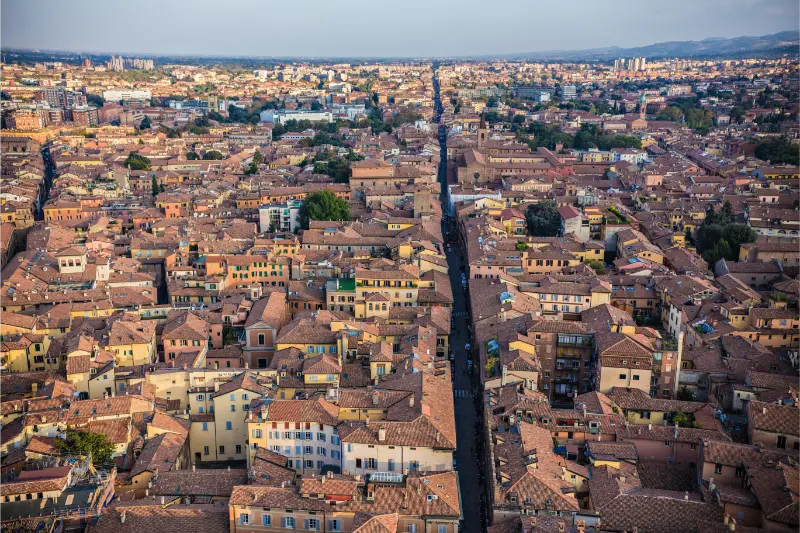
A useful habit throughout Tuscany is to treat the brown or blue parking signs at the entrance to a town as your cue to stop looking for a “better” space closer to the centre. Historic streets were not built for modern traffic, and a ten-minute walk is usually preferable to worrying about a ZTL camera, squeezing through a medieval lane or discovering that the route ahead is residents-only.
A quieter way to experience Mugello
The most rewarding Mugello moments are often very ordinary: a country bar full of cyclists, a small road through chestnut woods, or a hilltop parish church with no ticket desk. The landscape around Vicchio is especially good for slow driving. In autumn, fog can sit in the valley in the morning and lift into clear mountain views later, giving the region a mood quite unlike sun-baked southern Tuscany.
Where to eat
Mugello has a strong meat and mountain-food tradition, with tortelli di patate among the dishes to look for. La Casa del Prosciutto, Via Ponte a Vicchio 1, is a popular, unpretentious place associated with local cured meats and straightforward Tuscan food. For a more refined rural stay, Villa Campestri Olive Oil Resort, Località Campestri 19/22, focuses strongly on olive oil and has its own restaurant, L’Olivaia. Check Villa Campestri prices & availability
Opening days can change outside high season, and many small Tuscan restaurants close one or two days each week. For anywhere you would be disappointed to miss, reserve and confirm the opening time rather than building the whole day around an old listing.
Useful booking tools for this trip
Tours & experiences: For guided visits, attraction tickets and bookable experiences in Florence, See tours & tickets
Car rental: If this trip works better with your own wheels, Compare car rental prices before choosing the pickup point.
Where to stay
Choose Borgo San Lorenzo for practical transport, Vicchio for countryside atmosphere or Barberino if you want access to the A1 and Lake Bilancino. Villa Campestri is particularly distinctive because its identity is tied to olive oil and rural life rather than generic resort styling. Staying in Mugello also lets you visit Florence as a day trip in the opposite direction, returning to quiet countryside at night.
Want more accommodation options? Where to Stay in Tuscany: The Best Areas for Every Kind of Trip compares the best bases and makes it easier to choose the right location before you book.
How many days do you need?
A first day can combine Scarperia, Borgo San Lorenzo and Vicchio. Add Bilancino and a Medici site on day two, then use a third day for the mountain roads toward Firenzuola. If you are coming from Florence for only one day, resist the urge to include everything: Scarperia, a country lunch and one scenic loop will feel far more satisfying.
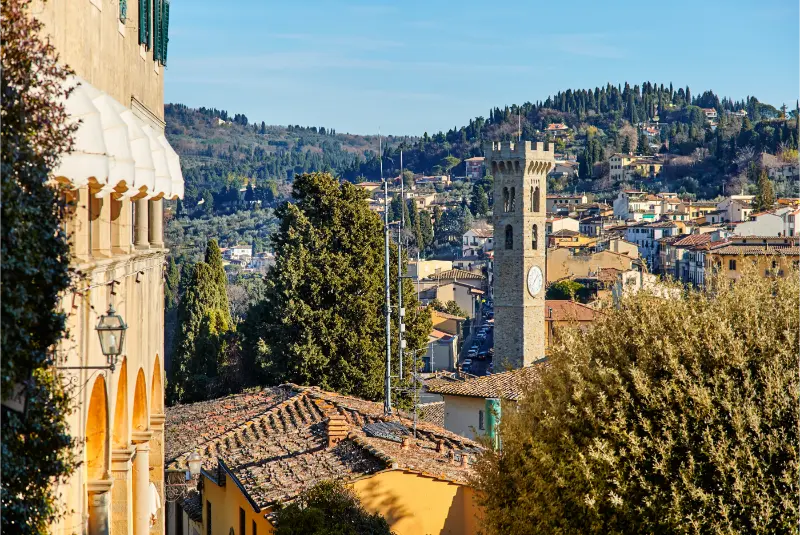
If you are travelling for a week or more in Tuscany, an area like this works best as a genuine base rather than a single excursion. Unpacking for two or three nights gives you the freedom to see a famous place early, return to your accommodation for a break and go out again when the light and atmosphere improve in the evening.
Best time to visit Mugello
Spring and early summer are beautifully green. September and October offer excellent walking temperatures and autumn food. July and August are warmer but the mountains provide relief. Winter can be misty and quiet; higher roads occasionally face snow or ice, so check conditions before heading into the Apennines.
Small practical details that make the trip better
Carry water, keep a light layer in the car and download an offline map before rural drives. In summer, do not assume that every village has shade beside the main attraction. In spring and autumn, keep flexible plans because a wet morning can become a brilliant afternoon. When visiting churches and monasteries, carry something to cover shoulders if needed, and when walking natural paths, use proper footwear rather than sandals chosen for the town.
Most importantly, do not measure a Tuscany day by the number of pins you managed to open on a map. The strongest memories often come from the hour that looked inefficient: a quiet piazza after lunch, a road through woodland, a conversation in a food shop or the decision to remain for sunset instead of driving to one more landmark.
If you are connecting this area with a city break, our guide to Florence is a useful next read.
Is Mugello worth visiting?
Yes—especially if you want Tuscany to feel like a place rather than a sequence of famous photographs. Mugello rewards curiosity, slower travel and a willingness to look beyond the headline attraction. Give it enough time to develop its own rhythm and it can easily become the part of Tuscany you remember most clearly after the major cities have begun to blur together.
Planning your route without rushing
A realistic visit to Mugello works better when you divide the map into small daily zones. Plan one anchor experience before lunch and one after it, then use the spaces between them for viewpoints, cafés and short walks. This also gives you room to adapt when a restaurant is full, a road is slower than expected or a place deserves more time. In rural Tuscany, flexibility is not wasted time; it is often what turns an itinerary into a trip that feels personal.