Versilia Travel Guide: Beaches, Art Towns and the Apuan Alps by the Sea
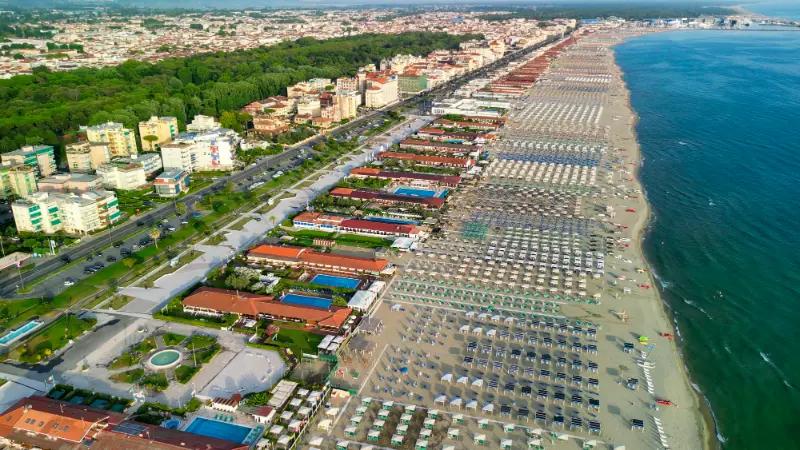
Versilia is where Tuscany meets the sea with unusual confidence. Long sandy beaches run beneath the dramatic Apuan Alps, Liberty architecture lines parts of Viareggio and contemporary sculpture fills Pietrasanta. The coast can be glamorous, particularly around Forte dei Marmi, but drive a few kilometres inland and you find olive-covered hills, Romanesque churches and villages that feel entirely removed from beach-club life. That contrast is the real reason to explore Versilia rather than simply spend a day on the sand.
In a hurry? Give this area at least two days if you can. Choose one logical base, start early for the most popular stops and leave room for a road, village or viewpoint you did not plan. The landscape is part of the attraction, so a schedule that looks efficient on paper can easily become less enjoyable once you are there.
Why Versilia feels different
The area’s modern identity developed strongly from the nineteenth century onward, when seaside bathing culture, villas and promenades transformed the coast. Viareggio became famous for its Carnival and Liberty architecture, while Pietrasanta built on a much older relationship with marble and sculpture. The nearby Apuan Alps supplied stone and craftsmen, creating a cultural bridge between Carrara’s quarries, artists’ studios and the elegant resorts along the Tyrrhenian Sea.
What to see and where to stop in Versilia
Viareggio
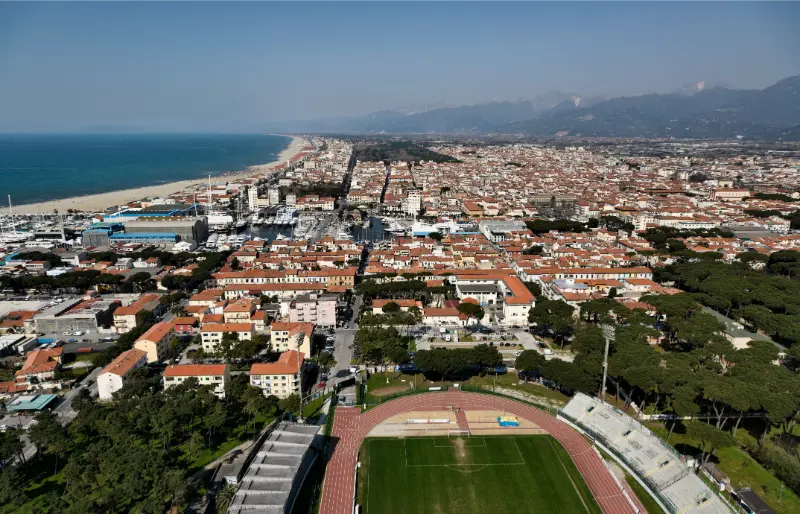
Viareggio is the largest and liveliest coastal city in Versilia. Walk the Passeggiata for Liberty details, cafés and a sense of how the resort developed, then continue toward the Darsena where the atmosphere becomes more maritime. The city rewards anyone who looks above shopfront level: decorative façades and old villas reveal a more interesting architectural story than the beach alone suggests.
Pietrasanta
Pietrasanta is the artistic counterpoint to the coast. Galleries, workshops and public sculpture sit around a compact historic centre where contemporary pieces can appear beside churches and medieval façades. Piazza del Duomo changes character with temporary installations, so repeat visitors rarely see exactly the same town. Come in late afternoon and stay for dinner rather than treating it as a daytime excursion.
Forte dei Marmi
Forte dei Marmi is polished and expensive, but its appeal is easy to understand: broad avenues, pine trees, boutiques and one of Tuscany’s most established beach cultures. Even if you are not booking a private bagno, walk the seafront and the pier, then explore the streets around the centre. In summer, parking becomes difficult quickly, so an early arrival or bicycle is much less stressful.
Marina di Pietrasanta
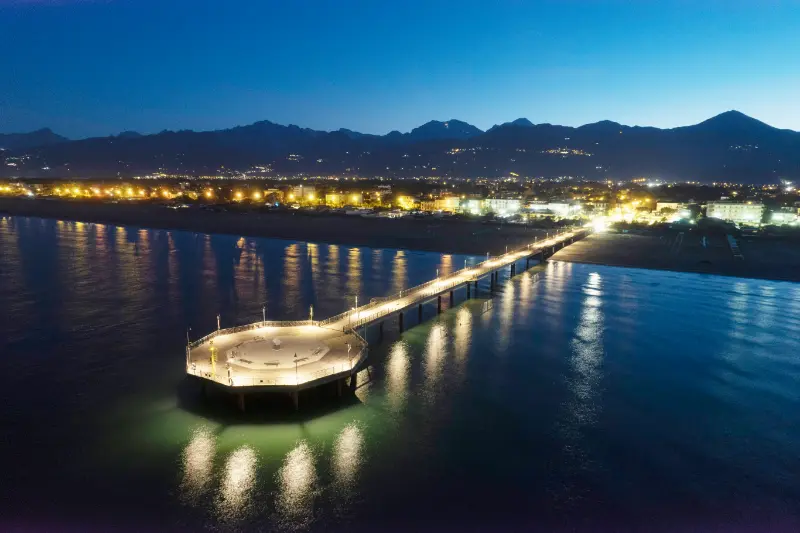
Between Viareggio and Forte dei Marmi, Marina di Pietrasanta offers a slightly calmer coastal base with long sandy beaches and easy access to Pietrasanta inland. The pier and seafront are good at sunset, and families often prefer the less urban rhythm. A bicycle is one of the best ways to move along flat coastal sections.
Massaciuccoli and the lake
The Lake Massaciuccoli area shows a different Versilia of wetlands, reeds and birdlife. Torre del Lago is closely linked with composer Giacomo Puccini, and the lakeside setting feels a world away from the beach promenade. Combine it with Viareggio for a day that moves from nature and music history to the sea.
Camaiore
Camaiore sits inland beneath the mountains, with a walkable centre and easy access to hill villages. It is a good place for lunch if the coast feels crowded. The road toward Casoli and the foothills quickly reveals why Versilia should not be understood as a narrow beach strip: the Apuan landscape begins almost immediately behind the resorts.

The Apuan foothills
Seravezza and Stazzema lead into the mountain side of Versilia, where roads become steeper and villages cling to green slopes. This is excellent territory for walkers and for anyone interested in marble, wartime history or simply cooler air in summer. Check route conditions before ambitious hikes; the Apuan Alps are real mountains, not gentle Tuscan hills.
Getting around Versilia: driving and parking
The Pisa–La Spezia railway makes Viareggio and several coastal towns easy without a car, while buses and bicycles cover local movements. A car becomes more useful for Camaiore, Seravezza, Stazzema and hill villages. Summer parking along the coast can be expensive and scarce; if your accommodation offers parking, that is a meaningful advantage. Do not drive from one beach town to another at peak afternoon hours simply to compare promenades—use the train or bike when practical.
A useful habit throughout Tuscany is to treat the brown or blue parking signs at the entrance to a town as your cue to stop looking for a “better” space closer to the centre. Historic streets were not built for modern traffic, and a ten-minute walk is usually preferable to worrying about a ZTL camera, squeezing through a medieval lane or discovering that the route ahead is residents-only.
A quieter way to experience Versilia
The best Versilia days combine contrasts. Spend morning hours in the hills, lunch in Pietrasanta and late afternoon by the sea. Or visit Lake Massaciuccoli before walking Viareggio’s Liberty promenade. The region becomes much more interesting when you stop thinking in terms of “beach resort” and start treating the mountains, art towns and wetlands as equal parts of the destination.
Where to eat
Seafood is central on the coast, while inland cooking quickly returns to Tuscan meat, vegetables and olive oil. In Viareggio, Ristorante Romano, Via Giuseppe Mazzini 120, is a long-established seafood address. For a special hotel, Grand Hotel Principe di Piemonte on Viareggio’s seafront combines historic glamour with contemporary luxury and notable dining.
Opening days can change outside high season, and many small Tuscan restaurants close one or two days each week. For anywhere you would be disappointed to miss, reserve and confirm the opening time rather than building the whole day around an old listing.
Useful booking tools for this trip
Car rental: If this trip works better with your own wheels, Compare car rental prices before choosing the pickup point.
Where to stay
Viareggio is best for transport, promenade life and a broad range of hotels. Forte dei Marmi suits a luxury beach holiday, while Pietrasanta is the most appealing base for art and evening atmosphere. Marina di Pietrasanta works well for families wanting sand without giving up easy access to the artistic centre inland.
Compare accommodation: See stays on Booking.com. For a more detailed comparison, read Where to Stay in Tuscany: The Best Areas for Every Kind of Trip
How many days do you need?
With two days, give one to Viareggio, Torre del Lago and the beach, and the other to Pietrasanta, Forte dei Marmi and the foothills. With three or four days, add Camaiore and a mountain walk. Avoid changing beach towns every few hours: the strongest experiences come from pairing one coastal place with one inland place each day.
If you are travelling for a week or more in Tuscany, an area like this works best as a genuine base rather than a single excursion. Unpacking for two or three nights gives you the freedom to see a famous place early, return to your accommodation for a break and go out again when the light and atmosphere improve in the evening.
Best time to visit Versilia
June and September are excellent for the coast with fewer crowds than August. July and August bring the full beach-resort atmosphere, nightlife and events, but also traffic and higher prices. Spring is ideal for combining art towns with hiking. Winter is quiet on the seafront, yet Pietrasanta and Viareggio retain more year-round life than smaller resorts.
Small practical details that make the trip better
Carry water, keep a light layer in the car and download an offline map before rural drives. In summer, do not assume that every village has shade beside the main attraction. In spring and autumn, keep flexible plans because a wet morning can become a brilliant afternoon. When visiting churches and monasteries, carry something to cover shoulders if needed, and when walking natural paths, use proper footwear rather than sandals chosen for the town.
Most importantly, do not measure a Tuscany day by the number of pins you managed to open on a map. The strongest memories often come from the hour that looked inefficient: a quiet piazza after lunch, a road through woodland, a conversation in a food shop or the decision to remain for sunset instead of driving to one more landmark.
For nearby city planning, continue with our guides to Viareggio and Pietrasanta.
Is Versilia worth visiting?
Yes—especially if you want Tuscany to feel like a place rather than a sequence of famous photographs. Versilia rewards curiosity, slower travel and a willingness to look beyond the headline attraction. Give it enough time to develop its own rhythm and it can easily become the part of Tuscany you remember most clearly after the major cities have begun to blur together.
Planning your route without rushing
A realistic visit to Versilia works better when you divide the map into small daily zones. Plan one anchor experience before lunch and one after it, then use the spaces between them for viewpoints, cafés and short walks. This also gives you room to adapt when a restaurant is full, a road is slower than expected or a place deserves more time. In rural Tuscany, flexibility is not wasted time; it is often what turns an itinerary into a trip that feels personal.