What to See in Carrara: Marble Mountains, Art and Tuscany at Its Most Dramatic
Carrara is one of the most visually dramatic destinations in Tuscany, yet it is often left out of first-time itineraries. The reason to come is visible before you reach the centre: the Apuan Alps rise behind the city with pale scars that can look like snow from a distance. They are marble quarries, part of a landscape that has supplied stone for sculpture and architecture for more than two thousand years.
Marble is not simply a product associated with Carrara; it has shaped the city’s economy, streets, art and identity. Roman builders extracted stone from these mountains, Renaissance sculptors sought blocks here, and contemporary artists still work with local workshops and foundries. The result is a destination where an elegant piazza, a dusty quarry road and a modern sculpture can all belong to the same story.
Start in Piazza Alberica, Carrara’s most elegant urban space
Piazza Alberica is the natural starting point in the historic centre. Colourful façades surround a broad square paved with stone, while a monument to Maria Beatrice d’Este stands near the centre. It feels surprisingly refined if your mental image of Carrara is dominated by industrial quarries.
Pause here before heading toward the cathedral. The square shows the prosperity that marble brought to local families, and the buildings have a distinctly urban character. Carrara is not a tiny quarry village; it is a city whose historic centre developed alongside an international stone trade.
See the Duomo di Sant’Andrea and look closely at the marble
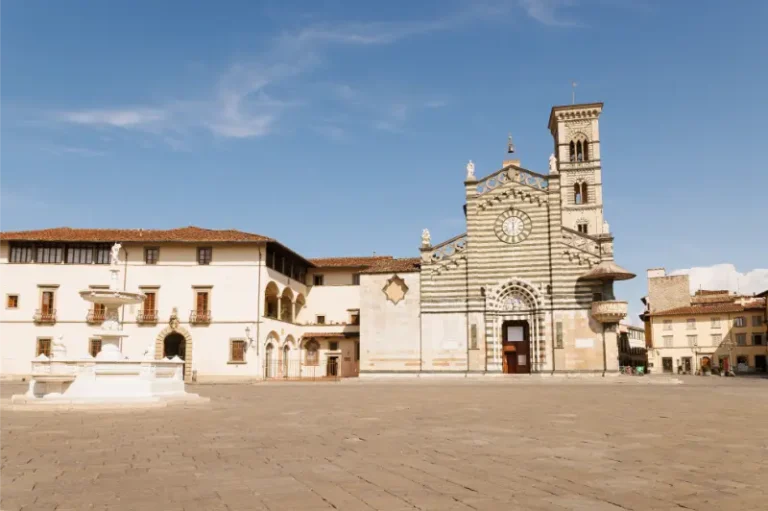
The Cathedral of Sant’Andrea is one of the city’s essential buildings and an ideal place to appreciate Carrara marble in an architectural setting. The church combines Romanesque and Gothic elements, and its façade is enriched by different tones and textures of local stone.
Rather than taking a photograph from the square and moving on, stand close enough to notice the surface. Marble changes with weather, polishing and age. In Carrara, learning to look at stone is almost as important as learning the names of monuments.
Walk Via Carriona and follow the older working city
From the historic centre, streets leading toward the mountains reveal a less polished Carrara. Via Carriona follows a route historically connected with the movement of marble and workshops. The architecture becomes more practical, and traces of the working city are easier to notice.
This is not a curated tourist corridor. That is precisely the point. Carrara becomes more interesting when you connect Piazza Alberica’s elegance with the infrastructure and labour that made it possible.
Visit the Accademia di Belle Arti area
Carrara’s Academy of Fine Arts reinforces the link between raw stone and artistic creation. The institution occupies the historic Palazzo Cybo-Malaspina and has trained generations of artists. Even if you are not visiting a formal exhibition, the presence of art students and studios gives the centre a creative energy that distinguishes it from other Tuscan cities.
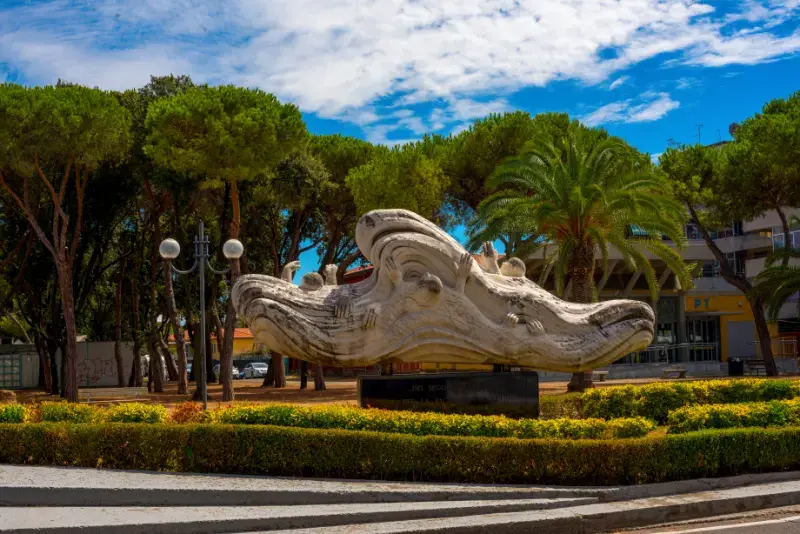
Public sculptures appear around town, sometimes in settings that feel almost casual. Do not expect a perfectly ordered open-air museum. Carrara’s art is often embedded in everyday streets, which makes discovering it more rewarding.
Go to the Museo Civico del Marmo for context before the quarries
If you plan to visit the marble basin, spend time at the Museo Civico del Marmo. The museum helps explain geology, extraction techniques, transport and the long relationship between Carrara and the stone that bears its name.
This background changes the quarry experience. Without context, the mountains are simply spectacular. After learning how marble was cut and moved in different periods, you begin to see the landscape as an enormous historical workplace.
Visit the quarries with someone who knows the roads
The marble quarries are the experience that makes Carrara unique, but they should not be approached like a normal scenic drive. These are active industrial areas with heavy vehicles, private zones and roads that can be steep, narrow or unfamiliar. A guided quarry tour is the sensible choice for most visitors.
Different tours may use 4×4 vehicles, minibuses or designated panoramic routes. Good guides explain the geology and working methods rather than simply driving to a viewpoint. They can also distinguish what is accessible to visitors from areas where quarry operations must not be disturbed.
Do not follow a random truck road because a map appears to lead toward a quarry. The mountains are beautiful, but this is a working environment and local access rules deserve respect.
See Fantiscritti and the marble basins
The Fantiscritti basin is one of the names most closely associated with quarry visits. Here the scale of extraction becomes difficult to understand until you see machinery and roads against the mountain walls. Blocks that look small from a distance can weigh many tonnes.
The whiteness of freshly cut marble creates extraordinary visual contrasts, especially when clouds move across the Apuan peaks. Sunglasses are useful on bright days because light reflects intensely from pale surfaces.
Make a detour to Colonnata
High above Carrara, Colonnata is a small village surrounded by quarry landscapes and famous for lardo di Colonnata. The cured pork fat matures traditionally in marble basins with salt, herbs and spices, creating a food product directly connected to the stone-working culture of the area.
A simple tasting on bread is enough to understand why it became part of quarry workers’ food traditions. The village is compact, and roads can feel narrow, so drive patiently and avoid trying to squeeze a large car into every lane.
Look for working sculpture rather than only finished art
Carrara is at its best when you see the process behind sculpture. Workshops around the city and nearby towns cut, carve, polish and finish marble for artists from around the world. Some studios are private, while others open for events or visits.
If you notice an open workshop that welcomes visitors, watch the tools and dust as much as the finished objects. Contemporary marble work involves computer-guided machinery as well as traditional hand skills, and the combination is far more interesting than the romantic idea of a sculptor working alone with a chisel.
Useful booking tools for this trip
Tours & experiences: For guided visits, attraction tickets and bookable experiences in Carrara, See tours & tickets
Where to eat in Carrara
Gramsci Bistrot, at Via Cavour 2, is a highly rated contemporary choice close to the historic centre. It suits travellers looking for a meal that feels current rather than purely traditional.
Osteria La Capinera, at Via Giuseppe Ulivi 8, is another well-regarded option with a warmer osteria atmosphere. If you spend the morning at the quarries, returning to the centre for a proper lunch is a pleasant way to shift from industrial landscape to city life.
Where to stay
B&B Alberica10, at Piazza Alberica 10, has an excellent location directly on Carrara’s most attractive square. Staying here makes it easy to experience the historic centre early and late without needing the car. Check B&B Alberica10 prices & availability
If your main purpose is quarry exploration, accommodation with straightforward road access and parking outside the most central lanes can also be practical. Ask your host for local driving advice, especially if your route includes Colonnata.
Want more accommodation options? Where to Stay in Tuscany: The Best Areas for Every Kind of Trip compares the best bases and makes it easier to choose the right location before you book.
Where to park in Carrara
For the historic centre, use signed public parking around the edge and continue on foot. Carrara’s central streets are compact, and there is little benefit in trying to place the car beside every monument. The quarry basins are a separate journey and should be planned around your tour meeting point.
Do not leave valuables visible in the car and avoid parking where marble trucks need turning space. In industrial areas, a spot that looks empty may still be operational. Following marked visitor parking is both safer and more respectful.
How much time do you need?
A half day works if you focus only on the city centre or only on a quarry tour. A full day is much better: spend the morning in the marble basin, have lunch, then explore Piazza Alberica, the Duomo and museums in the afternoon. Add Colonnata if you are comfortable with mountain roads and have enough daylight.
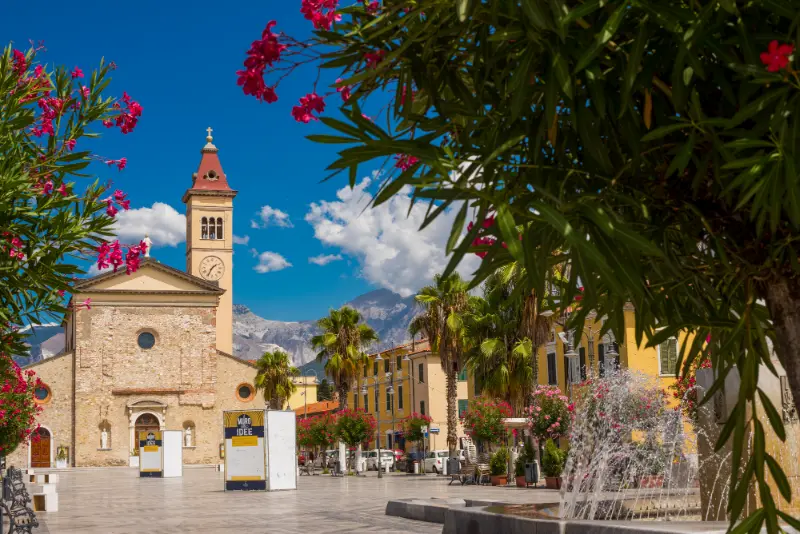
Carrara pairs naturally with nearby Massa, but the two deserve different expectations. Carrara is about marble, art and an industrial mountain landscape; Massa combines a historic centre and castle with easier access to the coast.
A route for a memorable first visit
Book a morning quarry tour before you arrive. After the mountains, stop in Colonnata if your route allows, then return to Carrara for lunch. Walk Piazza Alberica, visit the Duomo and the marble museum, and end with a slow exploration of the streets connected to workshops and the Academy.
Carrara is not the Tuscany of manicured postcard perfection, and that is exactly its strength. The mountains have been opened, cut and worked for centuries. Beauty here is tied to labour, geology and art. Once you understand that relationship, the white scars in the Apuan Alps stop looking like distant snow and become the most distinctive landscape in northern Tuscany.
When the light is best in the marble mountains
Bright midday sun makes the quarries almost dazzling, while early and late light reveals more texture in the cut faces. If photography matters to you, ask your tour operator about the timing of viewpoints rather than assuming noon will produce the strongest images.
Cloudy weather is not necessarily a disappointment. Low cloud against white stone can make the Apuan Alps look dramatic and almost unreal. The quarry landscape is powerful in changing weather, so do not judge the day only by whether the sky is perfectly blue.