ZTL in Tuscany: How to Avoid Fines in Florence, Siena, Pisa and Historic Towns
A ZTL in Tuscany is not something to fear, but it is something to understand before driving into a historic centre. ZTL stands for Zona a Traffico Limitato, a restricted-traffic zone used by many Italian cities and towns to limit vehicle access in sensitive central areas. Cameras can read number plates at entry points, and visitors in rental cars are not exempt. The easiest way to avoid a problem is to change one habit: navigate to a verified car park outside the restricted centre instead of navigating to the landmark, restaurant or hotel door.
What a ZTL actually is
A ZTL is an area where vehicle access is limited according to local rules. Restrictions can depend on time, vehicle type, permit status, resident access or specific events. Historic centres use them to reduce congestion, protect pedestrian areas and manage streets that were never designed for modern traffic.
The important point is that ZTL rules are local. Do not memorise one universal schedule for Tuscany because there is none. Hours and seasonal arrangements can change, and special rules may apply on certain streets. Read the current sign at the entrance and check the municipality or official tourism page for the city you are driving into.
In Florence, the official FeelFlorence ZTL guide explains current access and electronic signage.
How camera-controlled access works
Many ZTL entrances have cameras that record vehicle plates. The fact that no police officer is standing in the street does not mean access is unrestricted. If your plate is not authorised when the restriction is active, the entry can be recorded automatically.
Signs may be positioned before the camera point, sometimes alongside electronic displays. In busy traffic, visitors notice them late because they are watching scooters, pedestrians and navigation instructions. This is another reason not to improvise the final kilometre.
If you see a ZTL sign and are uncertain whether you can enter, do not cross the gate merely because another vehicle does. Residents, taxis, service vehicles or authorised guests may have permissions that your car does not.
Florence: the ZTL most visitors encounter
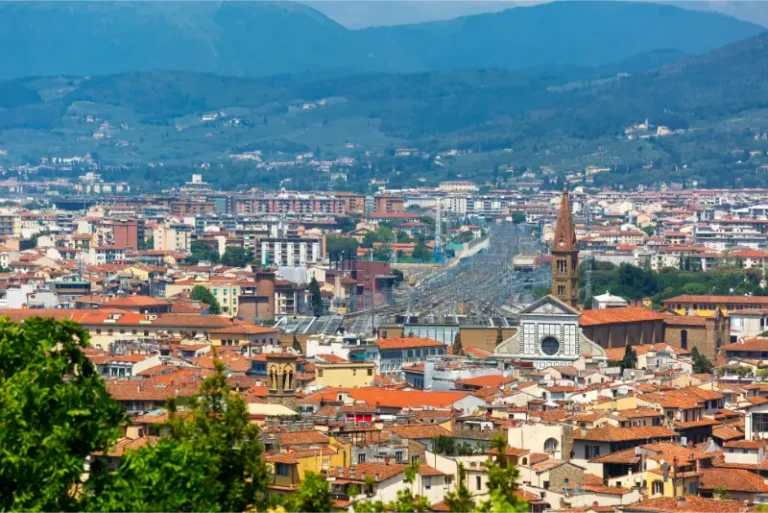
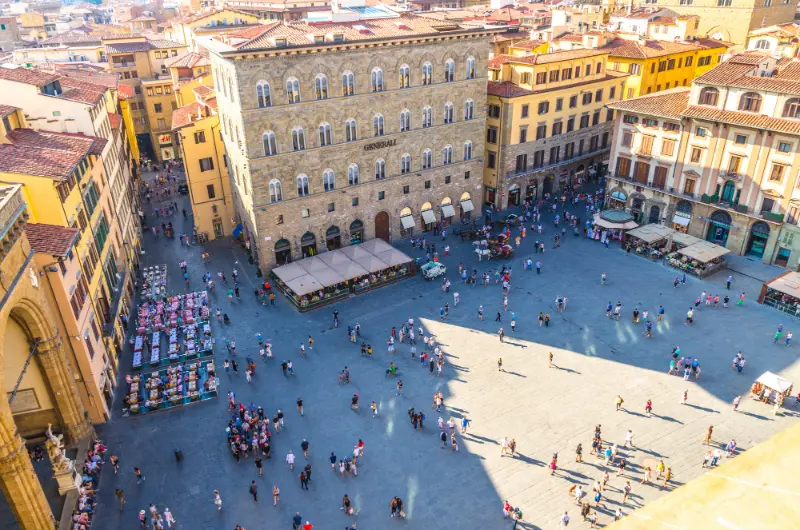
Florence has one of the best-known restricted central zones in Tuscany. Driving in the historic centre is unnecessary for most tourists anyway: the major sights are concentrated in a walkable area, and public transport is far more convenient than searching for central parking.

If you stay in Florence before a road trip, consider collecting the rental car only when you leave. If you arrive by car, choose a garage or car park with a route that does not require you to wander through central streets. Some authorised garages and accommodation providers may have procedures for registering a plate, but you must coordinate with them before or immediately according to their instructions; never assume your hotel booking itself is permission to enter.
For practical arrival choices, pair this guide with our parking in Tuscany guide.
Siena: park outside and walk in
Siena’s historic centre is naturally suited to pedestrians. Narrow medieval streets and steep gradients make driving in the core unattractive even before restrictions are considered. Visitor parking areas around the edge of the centre are a more sensible target.

Choose the car park based on the side of town from which you are approaching and the location of your accommodation. A slightly farther car park with a simple route can be better than a closer one that requires complicated turns.
If you are spending the night, ask the hotel for its recommended arrival route. Local properties deal with guest arrivals every day and can tell you whether there is authorised access, luggage-drop procedure or a preferred garage.
Pisa and Lucca: do not assume smaller means simpler
Pisa and Lucca are easier to navigate than central Florence in some respects, but both have historic areas where access and parking require attention. Pisa’s main sights are walkable once you are inside the centre, and arriving by train is often easier than driving for a day visit.
Lucca’s walled centre is especially clear in planning terms: the city walls form a natural boundary, and parking outside or near the perimeter lets you walk in. The station is also just outside the walls, making Lucca excellent without a car.
The broader lesson is that a smaller Tuscan city is not automatically open to unrestricted driving. Historic fabric, resident zones and pedestrian streets are common throughout the region.
Hill towns and villages can have ZTLs too
Do not reserve your ZTL awareness for famous cities. San Gimignano, Montepulciano, Montalcino, Pienza and many other historic towns limit vehicle access in central areas. In these places the solution is usually obvious once you stop trying to drive to the piazza: follow signs for visitor parking and walk uphill or through the gate.
The car park may sit below the historic centre, and there can be a short climb. That is part of the geography of Tuscan hill towns. Comfortable shoes are often a better solution than searching for a theoretically closer space.
Our area guides, including Val d’Orcia, explain how this pattern affects a countryside road trip.
What if your hotel is inside the ZTL?
Contact the hotel before arrival. Ask for the exact driving instructions, whether your plate needs to be registered, which entrance to use and what time restrictions apply. If the property tells you not to enter, use the recommended garage and arrange luggage accordingly.
Do not rely on a booking-platform map to guide you to the door. The shortest route on a general navigation app may cross a restricted gate. Hotel instructions should take priority.
If the hotel says it can register your number plate, provide it accurately and keep the written confirmation. Procedures vary by city and property, so treat this as a local arrangement, not a universal exemption.
Useful booking tools for this trip
Car rental: If this trip works better with your own wheels, Compare car rental prices before choosing the pickup point.
Rental cars and delayed fines
Visitors sometimes think a ZTL entry caused no problem because nothing happened during the trip. Camera enforcement does not work like a parking ticket placed on the windscreen. If an authority later requests driver information from a rental company, the process can take time, and the rental company may charge its own administration fee separately from any official penalty.
That is why prevention matters. A few minutes spent confirming the car park is far easier than sorting out correspondence after returning home.
If you accidentally enter a restricted area, do not repeatedly circle through additional gates. Leave safely, note the location and time, and contact the accommodation or relevant local authority if you believe an authorised access procedure should apply.
Navigation apps are useful, but they are not permission
Modern navigation services can warn about restricted zones, but databases and route logic are not a substitute for road signs. Temporary changes, construction and local traffic arrangements can make the app wrong or incomplete.
Set a car park as the destination. This simple change turns navigation from “take me to Piazza X” into “take me to the legal edge of the centre.” Once parked, switch to walking navigation.
Save the car park location before leaving the vehicle. Medieval streets can make two entrances look surprisingly similar when you return after dinner.
Recognising a safer approach
As you near a historic town, start reading directional signs rather than following the phone exclusively. Signs marked parcheggio or a blue P point towards parking. Brown tourist signs help orient you to attractions. ZTL signs tell you where not to continue without permission.
Slow down before the centre, but do not stop abruptly at a camera gate. If uncertain, continue only along a clearly unrestricted route or turn toward parking when safe.
A calm approach is easier if you arrive earlier in the day. At sunset, after a long drive, visitors are more likely to miss a sign or accept the first navigation instruction without checking it.
Do not build an itinerary around driving into centres
The best Tuscany road trips use the car between places, not inside them. Drive through the countryside, park at the edge of a village, spend two hours walking, then continue. This pattern matches how the towns were built and removes most ZTL anxiety.
For Florence, the ideal solution is often no car at all during the stay. For Siena and famous hill towns, visitor parking on the perimeter is normal. For rural accommodation, the car becomes useful again as soon as you leave the centre.
If you follow that rhythm, a ZTL becomes what it should be: a sign telling you where the pedestrian part of your visit begins.
Keep a simple rule for every new town
Before driving to any new Tuscan city or village, spend one minute checking three things: whether the centre has a ZTL, which visitor car park is easiest from your approach road, and whether your accommodation has special arrival instructions. That tiny routine is more reliable than trying to remember which towns use cameras and which restrictions were active on a previous trip.
Where to stay for this trip: Where to Stay in Florence: Best Neighborhoods and Hotels for a First Visit; Where to Stay in Siena: Best Areas for Medieval Atmosphere, Parking and Views. Check prices & availability
Final thoughts
The simplest ZTL rule in Tuscany is also the most effective: never drive into a historic centre unless you know you are authorised. Use official local information, follow current signs, ask your hotel for precise instructions and navigate to parking rather than to the front door. Once that habit becomes automatic, driving in Tuscany becomes much more relaxed.