3 Days in Tuscany: A First-Time Itinerary for Florence, Siena and the Countryside
3 Days in Tuscany: A First-Time Itinerary for Florence, Siena and the Countryside is designed as a realistic route rather than a list of places that merely fit on a map.
Three days in Tuscany is enough to understand why the region becomes an obsession, but only if you resist the temptation to collect towns. The strongest short trip combines one great art city, one medieval city and one day in the landscape between them. That gives you Renaissance Florence, the brick-and-stone drama of Siena and the slower roads of Chianti without spending half the holiday checking in, checking out and looking for parking. This itinerary is designed for a first visit and works especially well if you arrive in Florence by train or plane.
Itinerary at a glance
Use Florence as your base for the first two nights. Spend day one entirely in Florence, day two in Siena, then devote day three to Chianti before returning to Florence or continuing south. If you do not want to drive, keep the same first two days and replace the Chianti road trip with a small-group tour; trying to reproduce a rural route with ordinary buses wastes too much of a three-day trip.
Travel times in Tuscany are shaped by hills, traffic, parking and the final walk into historic centres. A route that looks short in kilometres can still fill a morning once you include coffee, a scenic stop and ten minutes finding the right car park. The schedules below deliberately leave margin for those real moments.
Day-by-day Tuscany itinerary
Day 1: Florence without trying to see everything
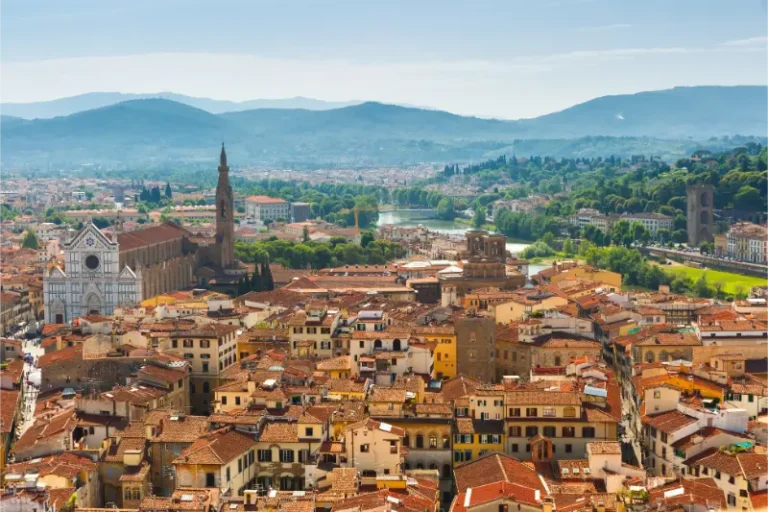
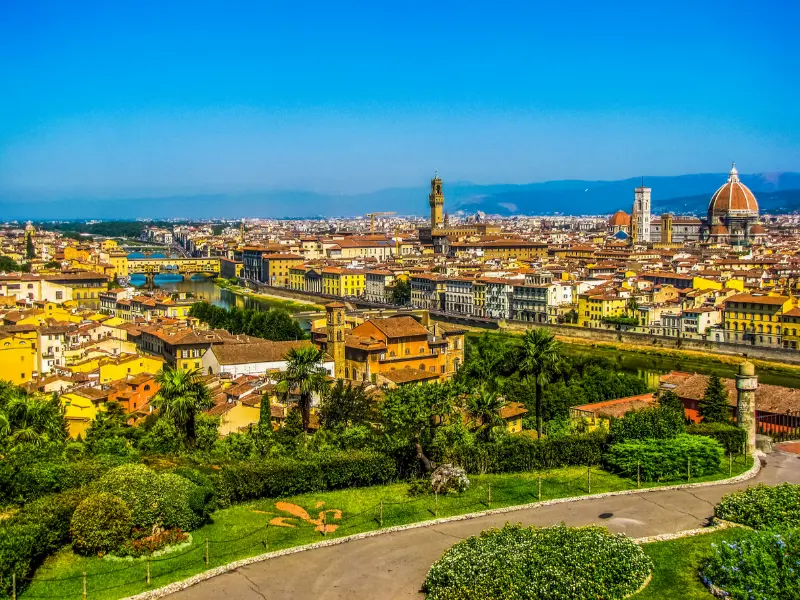
Begin in the historic centre early enough to enjoy Piazza del Duomo before the streets become busiest. See the cathedral complex from several angles rather than treating it as a single stop: the Baptistery doors, Giotto’s bell tower and the dome change character as you circle the square. From there walk toward Piazza della Signoria and the Arno. If the Uffizi is a priority, reserve a timed entrance and make that the anchor of the day instead of adding three other museums. The point of a short Florence stay is not to exhaust the Renaissance; it is to leave time for the city itself.
In the late afternoon cross Ponte Vecchio and wander into Oltrarno. Santo Spirito and the artisan streets around it give a different rhythm from the monumental centre. For sunset, Piazzale Michelangelo is famous for good reason, but San Miniato al Monte just above it often feels calmer and gives the skyline more breathing room. Our Florence guide explains the major sights and quieter detours in more detail: what to see in Florence.
Day 2: Siena as a full day, not a rushed stop
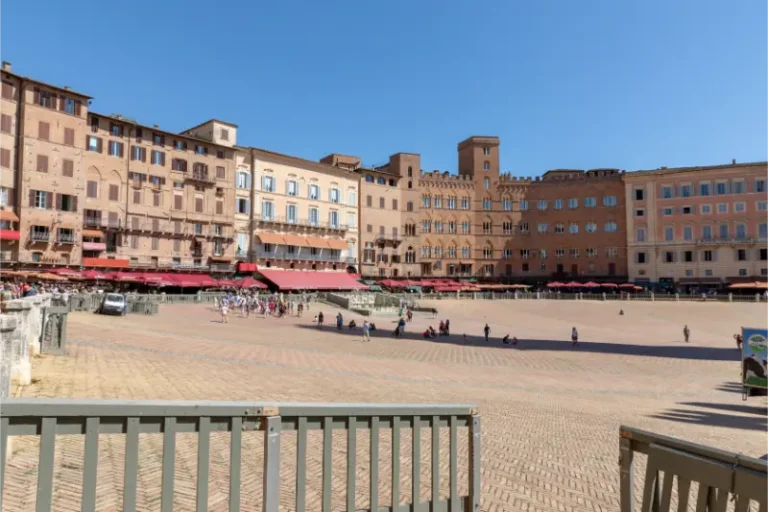
Leave Florence after breakfast and give Siena most of the day. Piazza del Campo is the obvious beginning, but the city becomes memorable in the narrow streets that climb away from it. Walk slowly toward the Duomo, look back whenever a lane opens to a view, and notice how the contrade still shape the identity of the historic centre. Siena’s beauty is compact but vertical, so distances on a map can feel longer than expected. Comfortable shoes matter more here than an ambitious checklist.

If you are travelling without a car, the direct bus from Florence is often more convenient than the train because Siena railway station sits below the historic centre. If you drive, do not aim for Piazza del Campo: leave the car at an official car park outside the restricted zone and walk or use escalator connections where available. Stay for dinner if your schedule allows; the centre changes noticeably after day-trippers leave. See our Siena guide before deciding which monuments deserve your limited time.
Day 3: Chianti, with fewer stops and better roads
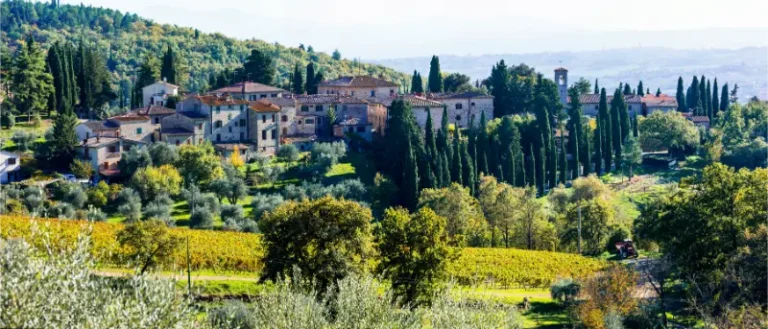
Collect a car only after you have finished with Florence if possible; there is little value in paying to park it during a city day. Take the SR222 Chiantigiana south and use Greve, Panzano and one smaller village as your framework. Greve’s Piazza Matteotti is a useful first stop, while Montefioralle above the town gives the stone-village atmosphere many visitors expect from rural Tuscany. Continue toward Panzano, then choose between Castellina, Radda or a winery visit rather than attempting all three.

Wine tasting and driving need planning. If everyone in your party wants to taste, book a driver or organised excursion. If one person drives, make lunch the main food experience and keep tastings modest. The road itself is part of the day: vineyards, olive groves and sudden views are why this route works. The official tourism portal also recommends the SR222 as a reference road through Chianti. Our Chianti travel guide helps you choose where to stop.
Where to stay
For only three days, changing hotels is usually a mistake. Florence is the most practical base because it handles arrival and departure well and gives you evening restaurants without driving. Hotel Santa Maria Novella, at Piazza Santa Maria Novella 1, is a verified central option near the main station; its location is particularly useful if you arrive with luggage. If your third day continues toward southern Tuscany, you can instead sleep in Chianti that night and turn the trip into the start of a longer route.
When comparing accommodation, look at the route before the room photographs. Check the exact driving or walking time to the next morning’s first stop, whether parking is truly on site or simply “nearby”, and whether you can walk to dinner. In rural Tuscany, a beautiful property can be inconvenient if every meal requires a night drive on unfamiliar lanes. In cities, the opposite can happen: a plain-looking hotel beside a station may save hours across the trip.
Getting around
This itinerary works as a hybrid: Florence on foot, Siena by bus or car, Chianti by car or organised tour. Do not collect a rental car at Florence airport merely to park it for two days in the centre. If you are continuing to Rome after Tuscany, another efficient version is Florence first, Siena second, then collect a car for Chianti and return it in a larger city with a convenient onward connection.
Before departure, recheck transport and access details on Trenitalia, Autolinee Toscane and the relevant municipal or attraction websites. Timetables, restricted-traffic rules, ferry schedules and seasonal access can change, and a ten-minute check before a travel day is more useful than relying on an old screenshot.
Useful booking tools for this trip
Tours & experiences: For guided visits, attraction tickets and bookable experiences in Florence, See tours & tickets
Flights: For arrival planning, Search flights to Tuscany
Trains & buses: Compare trains & buses when building the transport part of the trip.
Parking, ZTLs and arrival strategy
Florence and Siena both have restricted traffic zones. Treat the historic centres as pedestrian destinations and choose official garages or perimeter parking rather than following navigation blindly toward a hotel. In Chianti villages parking is generally simpler, but the final streets into old centres can still be narrow. Arrive earlier in the day in high season, especially on weekends and during local events.
For every historic city or hill town, search for the official parking information before you leave the previous stop, not when you are already at the gate. Save the car park in your navigation app and screenshot the route. This tiny habit prevents the most common arrival problem: following a blue line directly into a restricted street because the hotel address sits inside the old centre.
Food and memorable places to stop
Build meals around place rather than a list of famous dishes. In Florence, a simple lunch works better than losing two hours between museum reservations. In Siena, consider dinner at Osteria Le Logge, Via del Porrione 33, a long-established restaurant a short walk from Piazza del Campo; check current opening days before going. In Greve, Antica Macelleria Falorni on Piazza Matteotti is an easy way to connect the Chianti day with local salumi and food traditions.
Restaurant hours and weekly closing days can change by season, so confirm them on the venue’s official site or by phone. A useful rule for itineraries is to reserve dinner only when the restaurant itself is part of the experience. On transfer days, flexibility is often more valuable than a reservation that forces you to leave a town just when you are enjoying it.
Best time for this itinerary
March through June and September through October usually suit this route especially well because city walking and countryside driving are comfortable. July and August are workable, but begin city sightseeing early and protect the middle of the day from unnecessary walking. Winter can be excellent for Florence and Siena, though rural opening patterns are quieter and daylight is shorter.
Local events can change hotel prices, parking availability and opening patterns even outside the main tourist season. Siena around the Palio, Florence during major fairs, coastal towns in August and wine areas during harvest all need more advance planning than an ordinary weekday. Check the calendar before fixing non-refundable accommodation.
How to adapt the route
If art matters more than countryside, keep all three nights in Florence and use day three for another museum plus Fiesole. If wine and villages matter more, shorten Florence to one intensive day and sleep in Chianti on night two. Families may prefer Lucca instead of Siena because its walls and flatter centre create an easier walking day. What you should not do is add Pisa, Lucca, San Gimignano and Val d’Orcia to this same three-day plan; those belong in a longer itinerary.
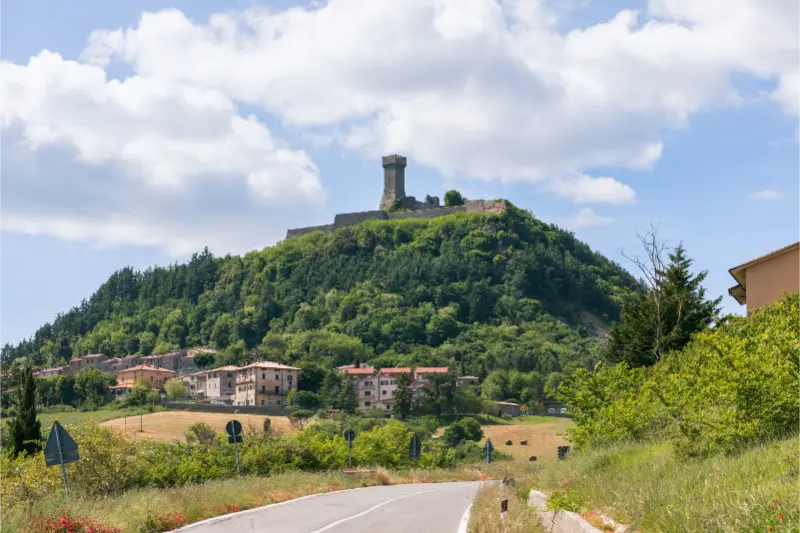
Do not be afraid to remove a stop after booking. A good Tuscany itinerary has priorities and optional places. If weather, fatigue or a long lunch changes the day, skip the optional town instead of shortening every remaining visit. The region is unusually rewarding at the edges of the schedule: early streets, late squares, an unexpected viewpoint and an evening walk often become stronger memories than the attraction that was originally highlighted in bold.
What to book before you go
Book the things that can genuinely sell out or create long waits: major Florence museum slots, special restaurants, popular winery tours, high-season ferries with a vehicle, and distinctive countryside accommodation. Leave ordinary lunches, minor churches and most village walks flexible. This gives the itinerary structure without making it brittle.
Where to stay for this trip: Where to Stay in Florence: Best Neighborhoods and Hotels for a First Visit; Where to Stay in Siena: Best Areas for Medieval Atmosphere, Parking and Views; Where to Stay in Chianti: Best Villages, Wine Estates and Country Hotels. Check prices & availability
Final thoughts
Three days will not show you all of Tuscany, but they can show you three of its essential personalities: Florence’s art, Siena’s medieval urban world and the cultivated countryside of Chianti. That contrast is more valuable than racing through six famous names. Leave with one or two places still on the list; Tuscany is better when it gives you a reason to return.