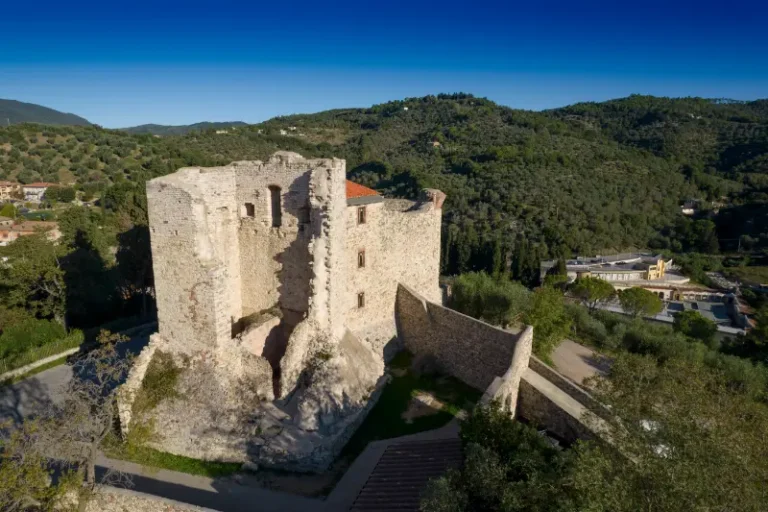

Siena Cathedral Complex: Duomo, Piccolomini Library, Museum and Panorama
Siena Cathedral is one of the few places in Tuscany where the building, the artworks and the view from above all belong to the same visit. The striped marble Duomo is only the beginning: the Piccolomini Library, the inlaid marble floor, Museo dell’Opera, Facciatone panorama, Crypt and Baptistery can turn a quick church stop into a half-day cultural experience.
The key is choosing the right ticket and understanding the seasonal floor unveiling. This guide explains how the OPA SI PASS works, when the famous pavement is uncovered, which parts are most important, and how to fit the cathedral complex into a day in Siena. For the city around it, use our Siena city guide.
Siena Duomo practical summary
| Address | Piazza del Duomo 8, Siena |
|---|---|
| Main ticket | OPA SI PASS for the wider complex |
| Highlights | Cathedral, Piccolomini Library, marble floor, Museo dell’Opera, Facciatone, Crypt and Baptistery |
| Best visit length | 2.5–4 hours for the full complex |
| Floor unveiling in 2026 | Seasonal periods including late June–July and mid-August into autumn; verify exact dates before travel |
| Best strategy | Enter the cathedral early, then museum + Facciatone, then crypt/baptistery |
The Opera del Duomo publishes changing hours around religious services and the floor-unveiling period. Always verify the official Siena Cathedral complex site before your visit.
See Siena Cathedral tickets & tours
Why the marble floor changes the visit
The cathedral pavement is not simply decorative flooring. Its marble inlay scenes form an enormous visual programme created over centuries. Large sections are normally protected, then uncovered during specific periods. If your trip falls during the unveiling, the cathedral becomes significantly more crowded but also more extraordinary.
In 2026 the Opera lists an important unveiling period from late June through July and again from mid-August into the autumn, with additional dates later in the year. Do not rely on an old blog post: the dates are published annually and religious events can affect access.
The Piccolomini Library: small room, major reason to enter
The Piccolomini Library is one of the most immediately spectacular spaces in the complex. Pinturicchio’s frescoes cover the walls with scenes from the life of Pope Pius II, while the colours and decorative ceiling create a completely different atmosphere from the nave. Because the room is compact, crowding can be intense. Move slowly and look up as well as sideways; many visitors focus only on the wall scenes.
Nicola Pisano’s pulpit
One of the cathedral’s great sculptural works is Nicola Pisano’s pulpit. It is worth approaching as sculpture rather than church furniture: examine the figures, supports and narrative reliefs from several angles. If you have already visited Pisa, comparing the artistic language across the two cathedral complexes makes a useful Tuscany art thread.
Museo dell’Opera and the Maestà
The museum is essential for anyone who wants more than the cathedral interior. Duccio di Buoninsegna’s Maestà, originally created for the cathedral’s high altar, is one of the central works in the history of Sienese painting. The museum also gives context to sculpture and architecture removed from the building for conservation.
The Facciatone: Siena’s best cathedral-related view
The panoramic terrace known as the Facciatone belongs to the unfinished expansion of the cathedral. In the 14th century Siena planned an enormous “New Cathedral”; plague, structural problems and economic disruption left the project incomplete. Climbing the surviving structure turns that failed ambition into one of the best views over Siena.
The ascent includes stairs and restricted spaces, and capacity can create waits. If views matter to you, do not leave the Facciatone until five minutes before closing.
The Crypt: discovered beneath the cathedral
The Crypt is a relatively recent rediscovery in the modern history of the complex, with medieval wall paintings preserved beneath the cathedral. Its low light and enclosed spaces feel completely different from the monumental nave above. This contrast is one reason the full complex is more rewarding than a cathedral-only ticket.
The Baptistery
Located below the cathedral on the slope, the Baptistery of San Giovanni is physically part of the same urban puzzle. Its font and Renaissance sculpture are important, but the approach itself helps you understand how dramatically Siena’s hill shapes the cathedral complex.
OPA SI PASS or cathedral-only?
Choose the wider pass if you have at least three hours and care about art, viewpoints or architecture. Cathedral-only access can be enough for a rushed day trip, but it misses the museum and Facciatone—the two pieces that most clearly expand the story beyond the nave.
If you are visiting during the marble-floor unveiling, expect ticket prices and crowd patterns to differ from quieter months. The Opera publishes seasonal prices, including a higher cathedral ticket during the unveiling.
A strong half-day plan
- Cathedral + Piccolomini Library at opening or as early as practical.
- Museo dell’Opera while concentration is high.
- Facciatone before lunch and before fatigue.
- Crypt and Baptistery after the main highlights.
- Walk down toward Piazza del Campo for a long lunch or aperitivo.
How it fits into a Siena day
The cathedral and Piazza del Campo are close enough to form the core of a compact itinerary, but Siena’s steep lanes slow you down more than a flat map suggests. If you are visiting on a day trip, do not overpack the schedule. Our day-trip guide and 3-day Tuscany itinerary show where Siena fits best.

Siena Cathedral with children
Children often respond well to the black-and-white marble, animals and symbols in the pavement and the idea of the unfinished “giant cathedral”. The Facciatone is less suitable for families uncomfortable with heights or tight stairs. See Siena with Kids for a slower family route.
Parking and where to stay
Siena’s historic centre is a restricted-traffic environment. If driving, park outside the core and walk or use local connections. Our Where to Stay in Siena explains which side of the city is easiest with a car, while Parking in Tuscany covers the general system.
Check Siena hotel prices & availability
How to plan around the marble floor unveiling
The cathedral’s inlaid marble floor is partly protected for much of the year and revealed during scheduled periods. In 2026, official published unveiling periods include 27 June–31 July, 18 August–30 October and 1–15 November. Dates can be adjusted, so verify them on the Opera del Duomo site before building a trip around the floor.
During unveiling periods the cathedral is busier and the admission structure changes. If the floor is your priority, arrive earlier in the day and give yourself extra time instead of treating the Duomo as a quick stop between Piazza del Campo and lunch.
What makes the Piccolomini Library special
The Piccolomini Library is one of the easiest parts of the complex to underestimate. Its vivid fresco cycle and richly decorated ceiling create a completely different visual experience from the striped cathedral nave. Even visitors who are not interested in manuscript history should allow time simply to look slowly around the room.
The Museo dell’Opera and the Maestà
The museum holds works that once belonged to the cathedral complex, including elements of Duccio di Buoninsegna’s Maestà. Seeing these pieces in the museum helps explain why Siena was a major artistic centre rather than a picturesque medieval backdrop to Florence.
Is the Facciatone worth the climb?
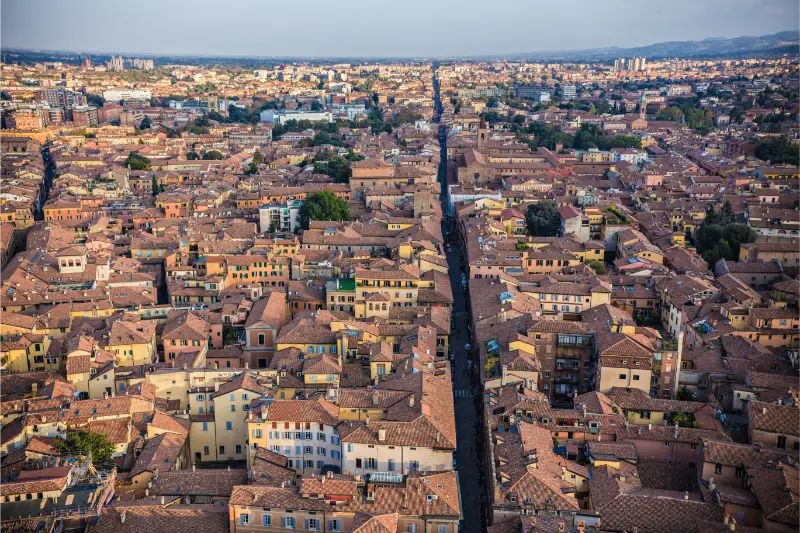
If weather is clear and you are comfortable with stairs and heights, yes. The unfinished façade structure gives one of the most striking elevated views over Siena. Because access can be constrained and queues form, do not leave it to the final ten minutes of your OPA SI PASS visit.
A shorter Siena Cathedral plan
If you have only 90 minutes, prioritise the cathedral nave and floor, Piccolomini Library and one additional element — either the museum/Facciatone or Baptistery/Crypt. If you have half a day, do the full complex at a slower pace.
Cathedral complex with children
Siena Cathedral can work very well with school-age children because the building itself supplies strong visual hooks: black-and-white marble, animals and symbols in the floor, the colourful Piccolomini Library and a panorama above the rooftops. Break the complex into short chapters rather than demanding silence through every museum room. The Facciatone is best reserved for children who are comfortable with stairs and heights.
Where the cathedral fits into a Siena day
Do not schedule the Duomo immediately before a fixed lunch on the opposite side of town. A better sequence is Piazza del Campo early, then the cathedral complex for two to three hours, followed by lunch and a slower Contrada walk. Our {ilink(‘what-to-see-in-siena’,’Siena city guide’)} shows how to connect the monuments without repeatedly climbing the same streets.

Final recommendation
If you have only one paid attraction in Siena, make it the cathedral complex rather than a single viewpoint. The Duomo, museum and unfinished extension tell the city’s story together: faith, competition, artistic ambition and the limits of medieval power. Allow at least three hours, verify the floor-unveiling calendar, and avoid reducing the visit to a fast photograph of the façade.